Understanding Coronary Artery Disease: Atherosclerosis, Risks, and Modern Treatments
 Apr, 15 2026
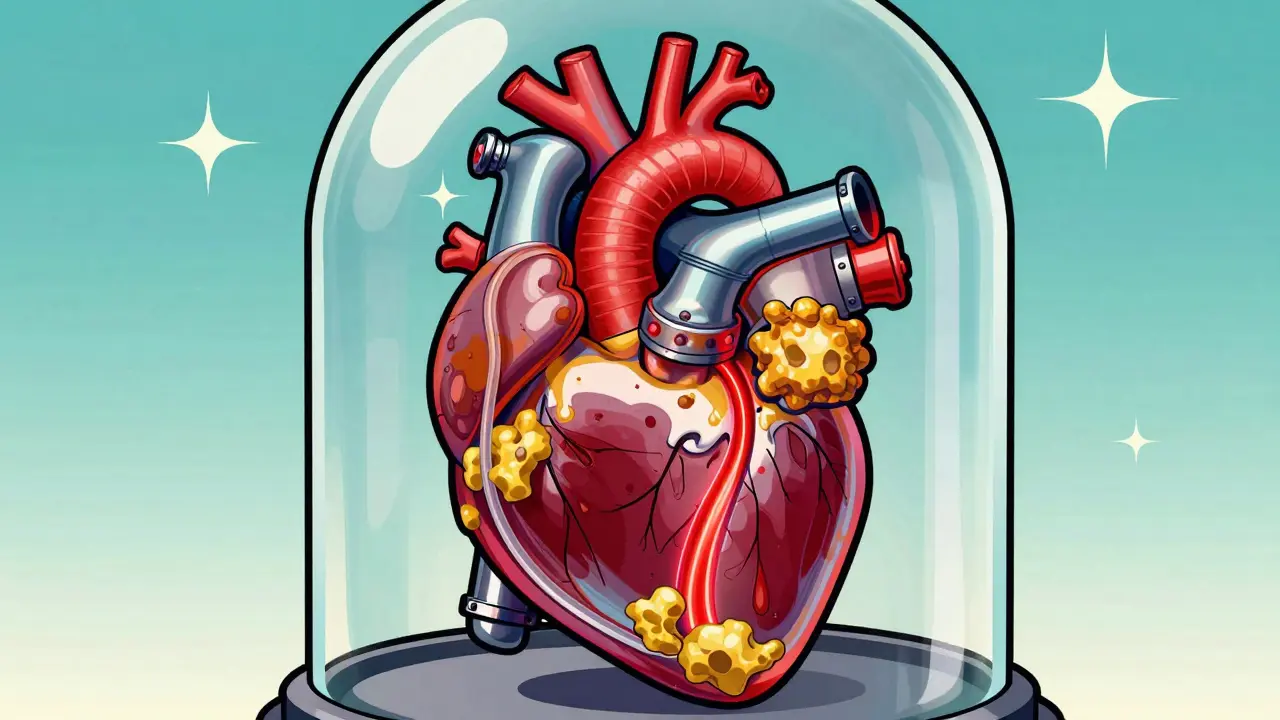
Imagine your heart as a high-performance engine. To keep running, it needs a constant supply of fuel and oxygen delivered through a dedicated network of pipes called coronary arteries. But what happens when those pipes get clogged? When plaque builds up and narrows these pathways, you're dealing with Coronary Artery Disease is a condition where the major blood vessels that supply the heart become damaged or blocked, typically due to the buildup of plaque. This isn't just a health concern for the elderly; it's a global crisis, accounting for roughly 13% of all deaths worldwide over the last two decades.
The Silent Build-up: What is Atherosclerosis?
You can't feel Atherosclerosis as it happens. It's a slow, stealthy process where fats, cholesterol, and other substances form a hard deposit called plaque on the inner walls of your arteries. Think of it like old plumbing in a house where minerals build up inside the pipes over years, eventually restricting the water flow.
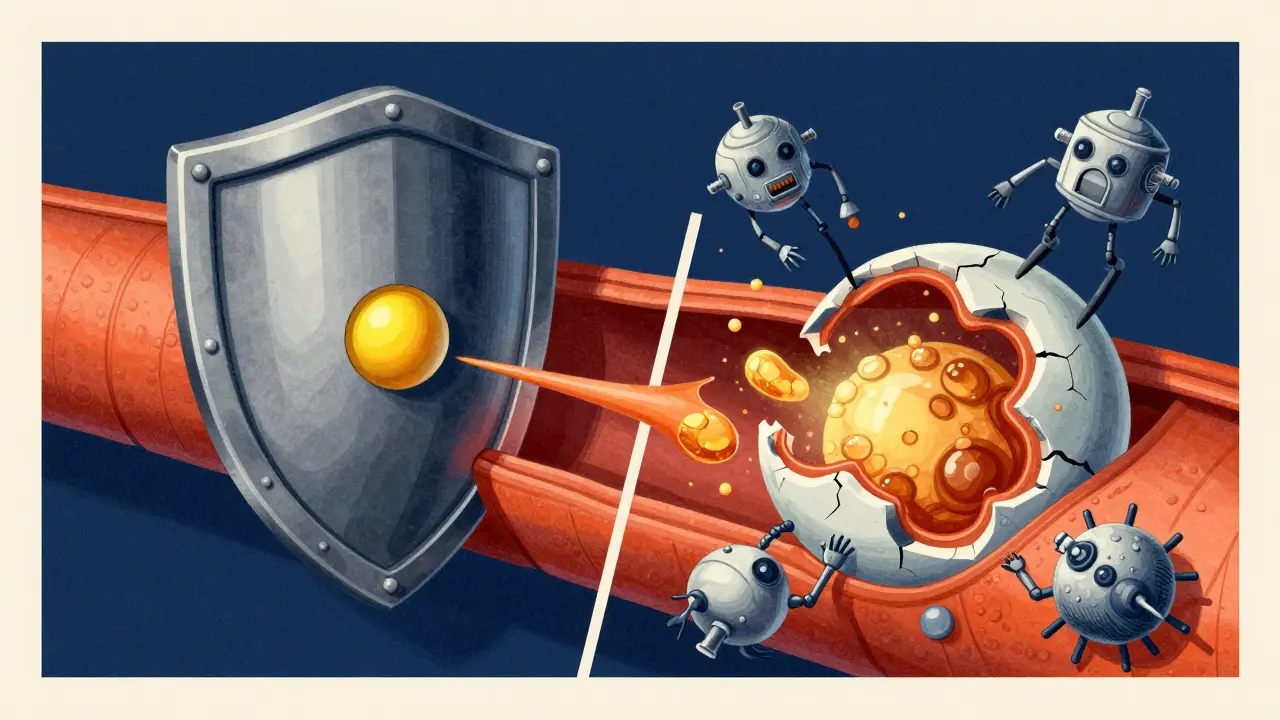
This process starts with endothelial dysfunction-essentially a "leak" or damage in the artery lining. Once the lining is compromised, Low-Density Lipoprotein (LDL), often called "bad cholesterol," slips into the wall. Your immune system sends in inflammatory cells to clean it up, but they end up getting trapped, turning into a fatty streak. Over time, the body tries to stabilize this mess by covering it with a fibrous cap. If that cap is thick, the plaque is stable. But if the cap is thin and the core is rich in lipids, the plaque is unstable and can rupture at any moment, triggering a sudden heart attack.
Interestingly, the size of the blockage doesn't always tell the whole story. A plaque that narrows the artery by only 30% can be more dangerous than one that blocks 70% if the smaller one is unstable and prone to bursting. This is why some people with "mild" blockage can still suffer a major cardiac event.
Who is at Risk? Understanding the Red Flags
Not everyone develops heart disease, but certain factors act like accelerators for plaque growth. Doctors now use a sophisticated risk stratification system to categorize patients into low, intermediate, or high risk based on their yearly chance of a cardiovascular event. If you fall into the high-risk category-meaning a greater than 3% annual risk-your treatment plan will be much more aggressive.
Some of the most significant risk factors include:
- Metabolic Issues: Diabetes and dyslipidemia (unbalanced blood fats) significantly speed up arterial damage.
- Physical Markers: An elevated BMI and high blood pressure put constant stress on the artery walls.
- Medical History: Having a previous heart attack, heart failure, or atrial fibrillation increases the likelihood of further complications.
- Lifestyle Choices: Smoking is a primary driver of vascular damage and is strongly linked to chronic kidney disease.
A staggering 60% of patients in recent clinical observations show high-risk features. Because 75% of primary cardiovascular events happen in this group, personalized risk assessment is the only way to decide how much medication or intervention a person actually needs.
How Doctors Spot the Blockage
Because CAD often stays hidden until it's critical, diagnosis requires a mix of non-invasive and invasive tools. You might start with an Electrocardiogram (ECG), which records the electrical activity of your heart to see if it's beating irregularly or showing signs of past damage. However, a resting ECG might look perfectly normal even if you have significant blockage.
To see how your heart handles stress, doctors use stress tests. This could be a treadmill walk or a chemical simulation that forces the heart to work harder, revealing whether the arteries can deliver enough blood during exertion. For those who need a definitive look, Coronary Angiography is the gold standard. This invasive procedure involves injecting a contrast dye into the arteries and using X-rays to map exactly where the blockages are.
In many cases, CAD doesn't travel alone. Doctors often check for Peripheral Artery Disease (PAD) using the Ankle-Brachial Index (ABI), which compares the blood pressure in your ankle to the pressure in your arm. If your legs have poor circulation, there's a very high chance your heart arteries are also affected.
| Feature | Stable Plaque | Unstable Plaque |
|---|---|---|
| Fibrous Cap | Thick and strong | Thin and fragile |
| Lumen Narrowing | Typically >50% | Often <50% |
| Symptom Pattern | Predictable (e.g., during exercise) | Unpredictable (sudden rupture) |
| Core Composition | Less lipid, more collagen | High macrophage and lipid content |
Treatment Paths: From Lifestyle to Surgery
Managing heart disease is a lifelong journey, not a one-time fix. The goal is to stabilize existing plaques, prevent new ones, and restore blood flow where it's dangerously low.
Lifestyle and Medication
The first line of defense is always lifestyle. A heart-healthy diet and regular exercise can slow the progression of atherosclerosis. This is paired with medications to control hypertension (high blood pressure) and hypercholesterolemia (high cholesterol). For those who have already had a heart attack, lifelong antithrombotic therapy-such as aspirin or other blood thinners-is usually required to prevent clots from forming on plaque sites.
Percutaneous Coronary Intervention (PCI)
When a specific artery is too narrow, doctors perform Percutaneous Coronary Intervention. This typically involves angioplasty, where a tiny balloon is inflated to push the plaque against the artery wall, followed by the placement of a stent-a small mesh tube-to keep the artery open.
Coronary Artery Bypass Grafting (CABG)
In severe cases, where multiple arteries are blocked or the blockage is in a critical location, Coronary Artery Bypass Grafting is the best option. Surgeons take a healthy blood vessel from your leg, arm, or chest and use it to create a "detour" around the blocked section, ensuring the heart muscle continues to receive oxygen.

The Future of Heart Care: Specialized Approaches
We are moving toward a more personalized era of medicine. One of the most interesting developments is the rise of cardio-oncology. As cancer treatments improve and people live longer, many survivors find themselves dealing with both cancer and chronic heart disease. This intersection requires a specialized approach because some chemotherapy drugs can actually damage the heart, complicating the management of existing CAD.
Research is also shifting toward plaque stabilization. Rather than just focusing on how "open" the artery is, scientists are looking for ways to make the fibrous caps of plaques thicker and tougher, reducing the risk of sudden rupture and heart attacks regardless of the degree of narrowing.
Can I reverse atherosclerosis?
While you cannot completely "erase" plaque that has already calcified, you can stabilize it. Through aggressive LDL cholesterol lowering and lifestyle changes, the plaque can become less likely to rupture, and in some cases, the volume of the lipid core can shrink, which improves blood flow and reduces the risk of a heart attack.
Is a stent a permanent fix?
A stent keeps the artery open, but it doesn't cure the underlying disease. Atherosclerosis is a systemic condition, meaning it can continue to develop in other parts of the artery or even inside the stent itself (called in-stent restenosis). This is why medication and lifestyle changes are necessary even after a successful PCI procedure.
Why do some people with mild blockage have heart attacks?
Heart attacks are often caused by the rupture of an "unstable plaque." These plaques might only narrow the artery by 30% or 40%, but because they have a thin fibrous cap, they can burst suddenly. This triggers a blood clot that completely blocks the artery in seconds, regardless of how "open" it was moments before.
What is the difference between Angina and a Heart Attack?
Angina is chest pain that occurs when the heart muscle doesn't get enough oxygen-rich blood, often during exercise (stable angina). It is a warning sign. A heart attack (myocardial infarction) happens when the blood supply is completely cut off, leading to the actual death of heart muscle tissue.
How often should I be screened for CAD?
Screening depends on your risk profile. If you have diabetes, high blood pressure, or a family history of heart disease, your doctor may recommend regular ECGs or cholesterol panels starting in your 20s or 30s. For those without risk factors, standard check-ups every few years are typical, but any new shortness of breath or chest pressure should be investigated immediately.
Next Steps for Heart Health
If you're worried about your heart health, start by tracking your numbers: blood pressure, LDL cholesterol, and HbA1c (for diabetes). These aren't just random stats; they are the primary drivers of plaque growth. If you have a family history of early heart disease, ask your doctor about a calcium score test, which can detect the presence of calcified plaque before you ever feel a symptom.
For those already managing CAD, the most important step is medication adherence. Stopping a statin or an antiplatelet drug without consulting your cardiologist can lead to a rapid increase in the risk of plaque rupture. Keep a log of any "atypical" chest pain-like pressure in the jaw or left arm-and report it immediately, as these can be signs of unstable angina.