The Nocebo Effect in Medications: Why Your Expectations Shape Side Effects
 Jan, 17 2026
Symptom Tracker: Nocebo vs Real Side Effects
Track Your Symptoms
Analysis Results
Nocebo Impact
0%Your symptoms are most likely due to real medication effects.
How to Interpret Results
Low impact (0-30%): Symptoms are likely real side effects. Consult your doctor.
Moderate impact (31-60%): Symptoms could be influenced by expectation. Try tracking without negative information.
High impact (61-100%): Symptoms likely nocebo effects. Discuss with your doctor about communication strategies.
What if the side effects you feel from your medication aren’t caused by the drug at all-but by what you expect to happen? This isn’t science fiction. It’s the nocebo effect, and it’s quietly shaping how millions of people experience their prescriptions.
What Exactly Is the Nocebo Effect?
The nocebo effect happens when negative expectations about a treatment lead to real physical symptoms-even if the treatment is harmless. The word comes from Latin: nocebo means “I shall harm.” It’s the dark twin of the placebo effect, where positive beliefs improve outcomes. But instead of healing, nocebo makes you feel worse. In clinical trials, about 20% of people taking a sugar pill report side effects like headaches, nausea, or fatigue. Nearly 10% quit the trial because they believe the pill is making them sick. And here’s the kicker: the pill has no active ingredients. The symptoms are real, but they’re not caused by chemistry. They’re caused by belief. Brain scans show that when people expect pain or discomfort from a medication, areas like the anterior cingulate cortex and insula light up-the same regions that activate during actual physical pain. Your mind doesn’t just imagine symptoms; it triggers real biological responses. It’s like your body has an internal alarm system that goes off when you’re told to expect trouble.Why Do Generic Drugs Feel Different?
One of the clearest examples of the nocebo effect in action is the switch from brand-name to generic medications. The active ingredients are identical. The FDA requires generics to match brand-name drugs in strength, dosage, and absorption. But patients often report new side effects after switching. In New Zealand, when doctors switched patients from brand-name venlafaxine to its generic version in 2017, reports of side effects spiked-despite no change in chemistry. Why? Because the media covered the switch, warning people that generics might not work as well. Patients started noticing normal body sensations-dizziness, tiredness, stomach upset-and blamed the new pill. The same thing happens with sertraline, fluoxetine, and other common drugs. Reddit threads are full of stories like: “I switched to generic Zoloft and got awful nausea. Went back to brand, and it vanished.” Doctors see it too. A 2021 European survey found that 68% of physicians have watched patients develop symptoms after being told a medication “might cause side effects.” The more warnings you hear, the more likely you are to feel them.How Communication Triggers the Nocebo Effect
It’s not just what’s in the pill-it’s what’s in the leaflet, the conversation, the news headline. Patient information sheets list every possible side effect, no matter how rare. A drug might have 50 listed side effects. Even if only one in 1,000 people gets one, you’re now primed to notice every twinge in your body. Studies confirm: the longer the list, the more side effects patients report. It’s not that the drug causes more problems-it’s that you’re trained to look for them. How doctors talk matters too. Saying, “This medicine can cause nausea in some people,” plants the idea. But saying, “Most people feel fine, but if you do get a little upset stomach, it usually passes in a few days,” reduces anxiety and lowers symptom reporting. Even non-verbal cues count. A rushed appointment, a worried expression, or a doctor who avoids eye contact when discussing side effects can amplify fear. Your brain picks up on tension-and interprets it as danger.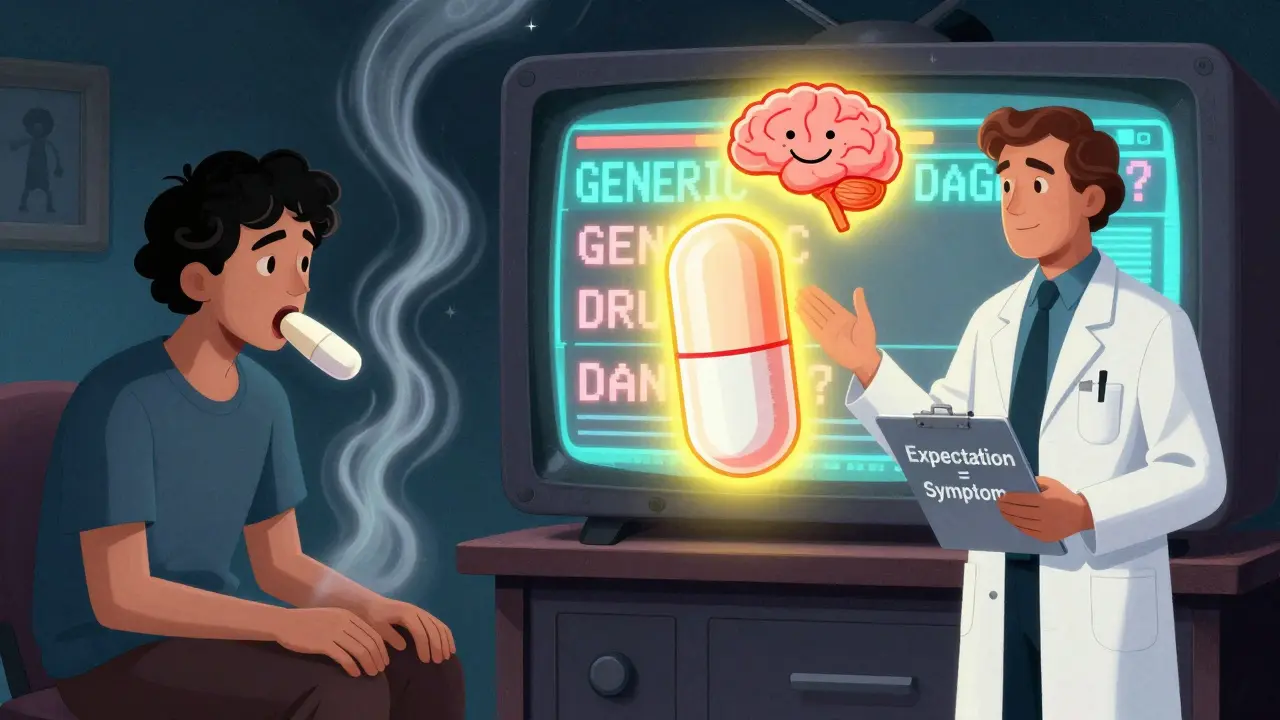
Who’s Most Affected?
Not everyone experiences the nocebo effect the same way. Certain people are more vulnerable:- Women report side effects 23% more often than men in placebo groups.
- People with anxiety or depression are 1.7 times more likely to develop nocebo symptoms.
- Those who are pessimistic or highly suggestible react more strongly to negative information.
- People who’ve had bad experiences with medications in the past are more likely to expect them again.
Real Consequences: Stopping Medication When You Don’t Need To
The nocebo effect isn’t just uncomfortable-it’s dangerous. About 15-20% of patients stop taking effective medications because they think they’re having side effects. Many of those symptoms are nocebo-driven. Someone might quit their blood pressure pill because they think it’s giving them dizziness. But the dizziness was from standing up too fast, or stress, or lack of sleep. The drug? Still working perfectly. In the case of antidepressants, stopping because of perceived side effects can lead to relapse, hospitalization, or worse. And it’s expensive. The global generic drug market is worth over $200 billion. But if patients switch back to pricier brand-name drugs just because they believe the generic doesn’t work, healthcare systems lose billions.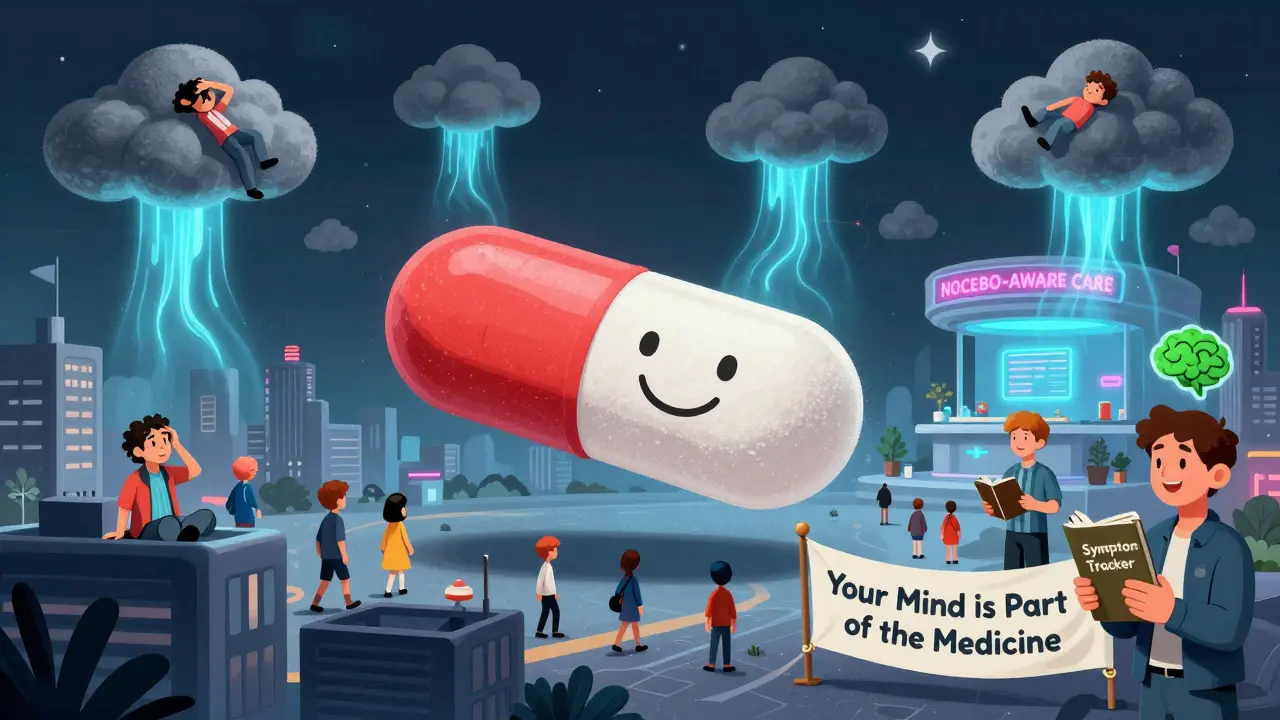
How to Fight the Nocebo Effect
The good news? You can reduce it-with the right communication. In New Zealand, healthcare providers started training in “nocebo-aware” conversations. Instead of saying, “This drug can cause insomnia,” they say, “Most people sleep fine on this medicine. A small number may have trouble sleeping at first-but that usually goes away.” The shift in wording cut medication discontinuation by 18-22% in pilot programs. Doctors are also learning to:- Normalize minor sensations: “It’s common to feel a bit off for the first week. That doesn’t mean it’s not working.”
- Focus on benefits first: “This medicine helps 8 out of 10 people feel better within a few weeks.”
- Ask open questions: “Have you noticed any changes since starting this?” instead of “Are you having any side effects?”
- Reassure without dismissing: “I understand this feels real. Let’s figure out if it’s the medicine or something else.”
The Bigger Picture: Why This Matters for Healthcare
The nocebo effect isn’t just a quirk of psychology. It’s a systemic problem. Pharmaceutical companies still list every possible side effect in their leaflets-even ones that occur in 1 in 10,000 people. Regulators haven’t caught up. The FDA and EMA are starting to look at this, but most patient info sheets haven’t changed. Meanwhile, the World Health Organization has labeled improving medication communication a top priority in its “Medication Without Harm” initiative. By 2030, experts predict most clinics will use standardized tools to assess a patient’s risk for nocebo reactions before prescribing. This isn’t about hiding risks. It’s about delivering them in a way that doesn’t trigger harm. Transparency doesn’t mean overwhelming. It means being clear, calm, and confident.Final Thought: Your Mind Is Part of the Medicine
You can’t control every variable in your health. But you can control how you interpret what happens to your body. If you’re prescribed a new medication, remember: not every ache, buzz, or sleepless night is the drug’s fault. Your brain is powerful. It can make you feel better with a sugar pill. It can also make you feel worse with a warning. The difference isn’t in the chemistry. It’s in the story you’re telling yourself. Talk to your doctor. Ask questions. Share your fears. But also ask: “Could this be my mind reacting to what I’ve been told?” Sometimes, the best medicine isn’t the pill in your hand-it’s the calm in your head.Can the nocebo effect cause real physical symptoms?
Yes. The nocebo effect doesn’t just make you think you feel bad-it triggers real biological changes. Brain imaging shows increased activity in pain and stress centers. People report headaches, nausea, dizziness, and fatigue that are indistinguishable from true drug side effects. These symptoms are physically real, even though they’re caused by expectation, not chemistry.
Is the nocebo effect the same as psychosomatic illness?
Not exactly. Psychosomatic illness refers to physical symptoms caused purely by psychological factors, often without a medical trigger. The nocebo effect is more specific: it’s a physiological response triggered by expectations about a medical treatment. It’s not “all in your head”-it’s your brain activating real bodily responses based on what you’ve been told.
Do generic drugs really cause more side effects than brand-name ones?
No. Generic drugs contain the same active ingredients as brand-name versions and must meet the same FDA standards for safety and effectiveness. Any difference in side effects is almost always due to the nocebo effect-especially after media coverage or negative stories about generics. Patients often report new symptoms after switching, even when the pills are chemically identical.
How can I tell if my side effects are real or from the nocebo effect?
Track your symptoms. Note when they started, how often they occur, and what else is happening in your life. Did the symptoms appear right after you heard a warning about the drug? Are they worse on days you’re anxious? Do they fade after a few weeks? Real drug side effects usually follow a pattern tied to dosage and timing. Nocebo symptoms often spike after negative information and improve with reassurance or time.
Can doctors do anything to prevent the nocebo effect?
Yes. Doctors can reduce nocebo effects by framing information positively, focusing on benefits, normalizing mild reactions, and avoiding alarmist language. Training programs in New Zealand and Europe show that simple changes in how side effects are explained can cut medication discontinuation by up to 22%. It’s not about hiding risks-it’s about delivering them in a way that doesn’t scare patients into feeling worse.
Are there any drugs that are immune to the nocebo effect?
No drug is completely immune. Even strong medications like chemotherapy or opioids can be affected. Studies show that patients told an opioid would increase pain sensitivity later actually lost all its pain-relieving effect. The power of expectation can override even powerful pharmacology. That’s why communication matters-even with the most potent drugs.