Pitavastatin and Diabetes Risk: Metabolic Effects Explained
 Jul, 13 2026
Statin Diabetes Risk & Cost Comparison Tool
Patient Profile
Enter your details to estimate the financial impact of medication choices.
Risk vs. Cost Analysis
Based on Meta-Analysis Data| Statin | Diabetes Risk (HR) | Est. Monthly Cost | Total Est. Cost |
|---|
Select a Statin
Click on any statin in the table above to see detailed analysis regarding its metabolic profile and suitability for patients with prediabetes.
- Metabolism: -
- Liver Enzymes: -
- Suitability: -
Starting a statin is often the first line of defense against heart disease, but for many patients, it comes with a nagging fear: will this medication spike my blood sugar? This concern isn't unfounded. High-intensity statins like atorvastatin and rosuvastatin have been linked to an increased risk of developing type 2 diabetes. However, not all cholesterol-lowering drugs are created equal when it comes to your metabolism. Enter Pitavastatin, a third-generation synthetic statin known for its potentially neutral or favorable impact on glucose homeostasis. Unlike its predecessors, pitavastatin has emerged as a promising option for individuals who need aggressive lipid management but also carry the heavy burden of prediabetes or metabolic syndrome.
Why Pitavastatin Is Different From Other Statins
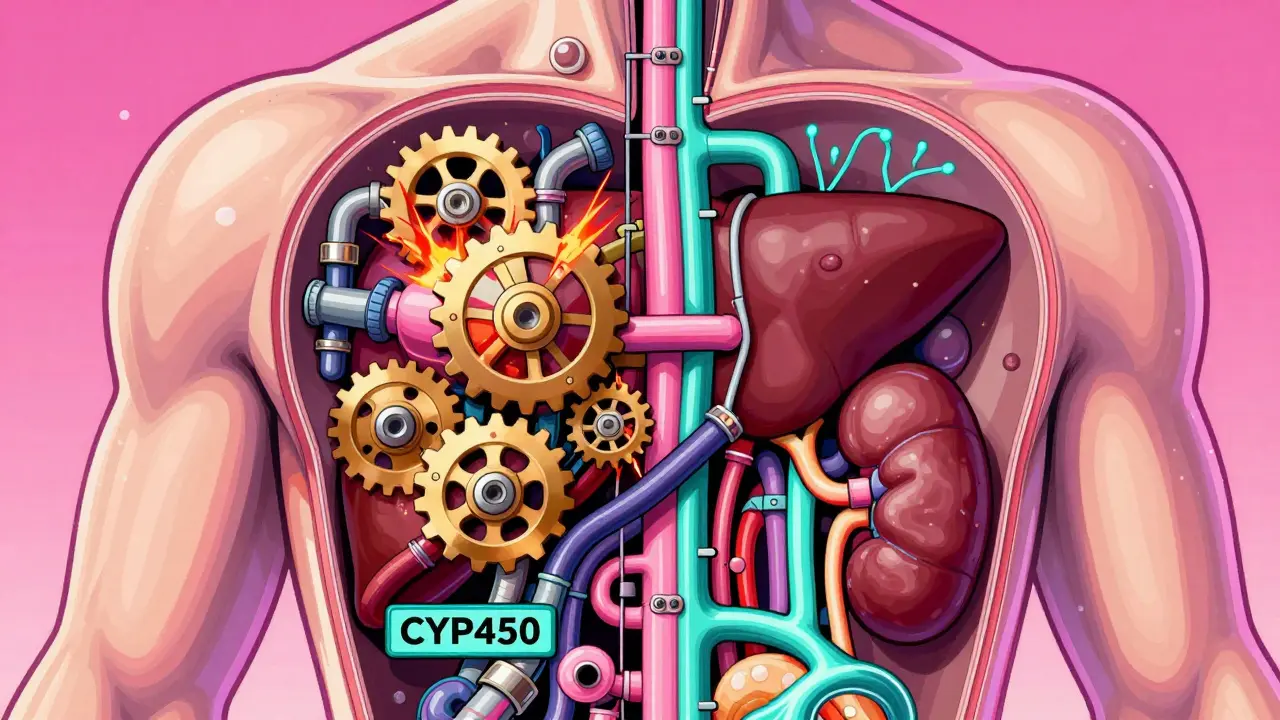
To understand why pitavastatin might be safer for your blood sugar, you have to look at how your body processes it. Most statins, such as Atorvastatin (Lipitor) and Rosuvastatin (Crestor), rely heavily on liver enzymes called cytochrome P450 for metabolism. Specifically, atorvastatin uses the CYP3A4 pathway. This reliance can lead to complex drug interactions and varying metabolic side effects. Pitavastatin, developed by Kowa Pharmaceuticals and approved by the FDA in 2009, takes a different route. It features a dual elimination pathway, splitting evenly between renal (kidney) and hepatic (liver) clearance. Crucially, it does not undergo significant cytochrome P450 metabolism.
This unique pharmacokinetic profile means pitavastatin has fewer drug-drug interactions and may exert less stress on cellular pathways involved in insulin signaling. While it still works by inhibiting HMG-CoA reductase-the enzyme responsible for cholesterol synthesis in the liver-its distinct chemical structure appears to spare the pancreas and muscle cells from the insulin resistance often triggered by other statins. For patients already struggling with glucose control, this difference is not just a technicality; it could be the deciding factor in their long-term health strategy.
The Data on Diabetes Risk: What Studies Show
If you are worried about new-onset diabetes mellitus (NODM), the numbers tell a compelling story. A comprehensive meta-analysis published in Cardiovascular Diabetology in 2022 analyzed data from over 124,000 patients. The results showed that pitavastatin had a hazard ratio (HR) of 0.82 for NODM compared to placebo or other comparators, indicating a lower risk. In stark contrast, atorvastatin showed an HR of 1.14, and rosuvastatin showed an HR of 1.18. These figures suggest that while high-intensity statins may increase your risk of developing diabetes, pitavastatin might actually offer protection or remain completely neutral.
Another pivotal study, conducted by Kasikci et al. and published in the Journal of Clinical Endocrinology & Metabolism in 2018, used gold-standard testing methods. Researchers employed euglycemic hyperinsulinemic clamps and stable isotope techniques to measure insulin sensitivity directly. After six months of treatment with 4 mg of pitavastatin daily-the maximum clinical dose-in men with baseline insulin resistance, there was no adverse effect on whole-body or hepatic insulin sensitivity. Furthermore, liver fat content did not decrease, suggesting that pitavastatin does not improve fatty liver disease through insulin sensitization, but it certainly doesn't worsen it either. This level of rigorous testing provides strong evidence that pitavastatin’s metabolic footprint is significantly lighter than that of its competitors.
| Statin Type | Hazard Ratio for NODM | Metabolism Pathway | Typical LDL Reduction |
|---|---|---|---|
| Pitavastatin | 0.82 (Lower Risk) | Dual (Renal/Hepatic), No CYP450 | 40-50% at 4mg |
| Atorvastatin | 1.14 (Higher Risk) | CYP3A4 | 40-60% at 40-80mg |
| Rosuvastatin | 1.18 (Highest Risk) | Partial CYP2C9 | 50-60% at 20-40mg |
| Pravastatin | 1.03 (Neutral) | Non-CYP450 | 20-30% |
Who Should Consider Pitavastatin?
You might be an ideal candidate for pitavastatin if you fall into specific high-risk categories. The American Diabetes Association’s 2022 Standards of Medical Care noted that moderate-intensity statins like pitavastatin may be preferred over high-intensity options for patients with existing diabetes or high diabetes risk, provided they can meet their LDL-C targets. Dr. Betul Hatipoglu, an endocrinologist at Cleveland Clinic, stated in a 2023 review that pitavastatin appears to be the safest statin option for patients with prediabetes based on current evidence.
Consider these scenarios where pitavastatin shines:
- Prediabetes: If your fasting glucose is elevated (100-125 mg/dL) or HbA1c is between 5.7% and 6.4%, switching from atorvastatin to pitavastatin could help stabilize your glucose levels.
- Metabolic Syndrome: Patients with a cluster of conditions including high blood pressure, high blood sugar, excess body fat around the waist, and abnormal cholesterol levels benefit from a statin that doesn’t exacerbate insulin resistance.
- HIV Patients on Antiretrovirals: Because pitavastatin avoids CYP3A4 metabolism, it interacts less with many HIV medications. The INTREPID trial showed no significant worsening of insulin resistance in HIV-positive adults taking pitavastatin compared to pravastatin.
However, it is not a magic bullet. A 2024 study in the Annals of Internal Medicine highlighted that even with pitavastatin, patients with multiple risk factors (BMI ≥30 kg/m², fasting glucose ≥100 mg/dL, triglycerides ≥150 mg/dL) still faced a higher absolute risk of developing diabetes (28.7%) compared to those with fewer risk factors (8.3%). This underscores that while the drug is metabolically friendlier, lifestyle factors and baseline health status remain critical drivers of diabetes development.

Cost vs. Benefit: The Practical Reality
Here is the catch that often keeps pitavastatin off the prescription pad: cost. Generic atorvastatin costs roughly $4 per month. Brand-name LIVALO (pitavastatin) can retail for around $350 per month. For a patient without insurance coverage or with a high-deductible plan, this price gap is massive. Why would a doctor prescribe a drug that costs nearly 100 times more?
The answer lies in long-term savings and quality of life. Developing type 2 diabetes is expensive. It leads to complications like neuropathy, retinopathy, and cardiovascular events, which drive up healthcare costs significantly. If pitavastatin prevents a patient from crossing the threshold into diabetes, the initial drug cost is negligible compared to the lifetime cost of managing diabetes. Additionally, 92% of Medicare Part D plans cover pitavastatin, often with tier 2 co-pays averaging $45 per month, making it accessible for seniors.
Despite the cost barrier, adoption is growing. Among endocrinologists treating diabetic patients, pitavastatin use has grown by 18.3% annually since 2020. A 2023 survey of cardiologists found that 68.2% would choose pitavastatin over other statins for patients with prediabetes. This shift indicates a growing consensus among specialists that metabolic safety is worth the premium for vulnerable populations.
Monitoring and Next Steps
If you and your doctor decide to start or switch to pitavastatin, monitoring is key. The American Association of Clinical Endocrinologists recommends baseline HbA1c and fasting glucose testing before initiating any statin therapy. You should repeat these tests at three months and then annually. Even though pitavastatin is low-risk, individual responses vary.
- Baseline Assessment: Get your HbA1c, fasting glucose, and lipid panel checked before starting.
- Three-Month Check: Re-test to ensure LDL goals are met and glucose levels remain stable.
- Lifestyle Integration: Remember that no statin replaces diet and exercise. Weight management remains the most effective way to reduce diabetes risk regardless of medication.
- Watch for Symptoms: Report any unusual fatigue, increased thirst, or frequent urination to your doctor immediately, as these could signal rising blood sugar.
The upcoming PERISCOPE trial (expected Q4 2026) will provide even more clarity by comparing pitavastatin directly against atorvastatin in a large diabetic population. Until then, the existing data strongly supports pitavastatin as a superior choice for metabolic health among statins.
Does pitavastatin cause weight gain?
Current research does not indicate that pitavastatin causes significant weight gain. Unlike some other medications that affect metabolism, pitavastatin's primary action is on cholesterol synthesis. Any weight changes are more likely related to underlying conditions or lifestyle factors rather than the drug itself.
Can I take pitavastatin if I am already diabetic?
Yes, pitavastatin is considered safe and potentially beneficial for patients with existing diabetes. The American Diabetes Association suggests moderate-intensity statins like pitavastatin for diabetic patients to manage cholesterol without exacerbating glucose instability. Always consult your endocrinologist for personalized advice.
Is pitavastatin better than atorvastatin for everyone?
Not necessarily. Atorvastatin is highly effective at lowering LDL cholesterol and has extensive outcome data proving it reduces heart attack and stroke risk. For patients without diabetes risk factors, atorvastatin is often preferred due to its lower cost and proven track record. Pitavastatin is specifically advantageous for those with prediabetes, metabolic syndrome, or concerns about drug interactions.
What are the common side effects of pitavastatin?
Common side effects include headache, nausea, and musculoskeletal pain, similar to other statins. However, pitavastatin generally has a lower incidence of muscle-related side effects compared to higher-intensity statins. Serious side effects like liver damage are rare but require monitoring via periodic blood tests.
How quickly does pitavastatin lower cholesterol?
Pitavastatin typically achieves maximum LDL-C reduction within 2 to 4 weeks of starting treatment. At a dose of 4 mg daily, it can lower LDL cholesterol by 40-50%. Your doctor will usually check your lipid panel after one month to assess efficacy and adjust the dose if necessary.