Narcolepsy: Understanding Daytime Sleepiness and Stimulant Treatment Options
 Jan, 30 2026
What Narcolepsy Really Feels Like
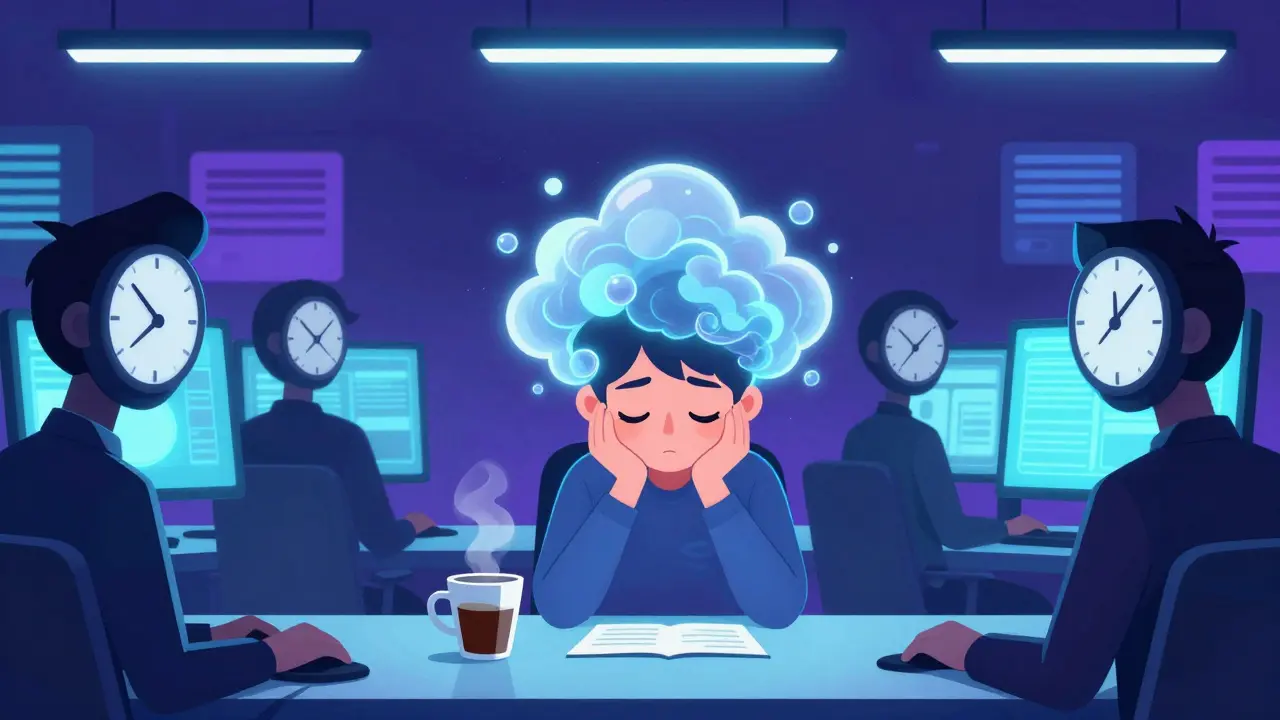
Imagine fighting to stay awake during a meeting, while your body insists on shutting down-even though you slept eight hours the night before. This isn’t laziness. It’s narcolepsy. For people living with this neurological disorder, sleep doesn’t follow the normal day-night rhythm. Instead, the brain loses control over when to be awake and when to sleep. The result? Overwhelming, uncontrollable sleepiness during the day, no matter how much rest you get at night.
Narcolepsy isn’t just feeling tired. It’s having sudden, irresistible sleep attacks-sometimes multiple times a day-that last 15 to 30 minutes. Afterward, you might feel refreshed for a while, but the urge to sleep returns. This cycle repeats, making work, driving, or even talking to friends feel impossible. About 1 in 2,000 people have it, and most are diagnosed between ages 10 and 30, though nearly a quarter don’t show symptoms until after 40.
The Five Core Symptoms
Narcolepsy doesn’t just cause sleepiness. It comes with a set of five defining symptoms, and not everyone has them all. The most universal is excessive daytime sleepiness (EDS). Everyone with narcolepsy experiences it. Then there’s cataplexy-a sudden loss of muscle control triggered by strong emotions like laughter or surprise. This happens in about 70% of cases and is a key marker for Type 1 narcolepsy.
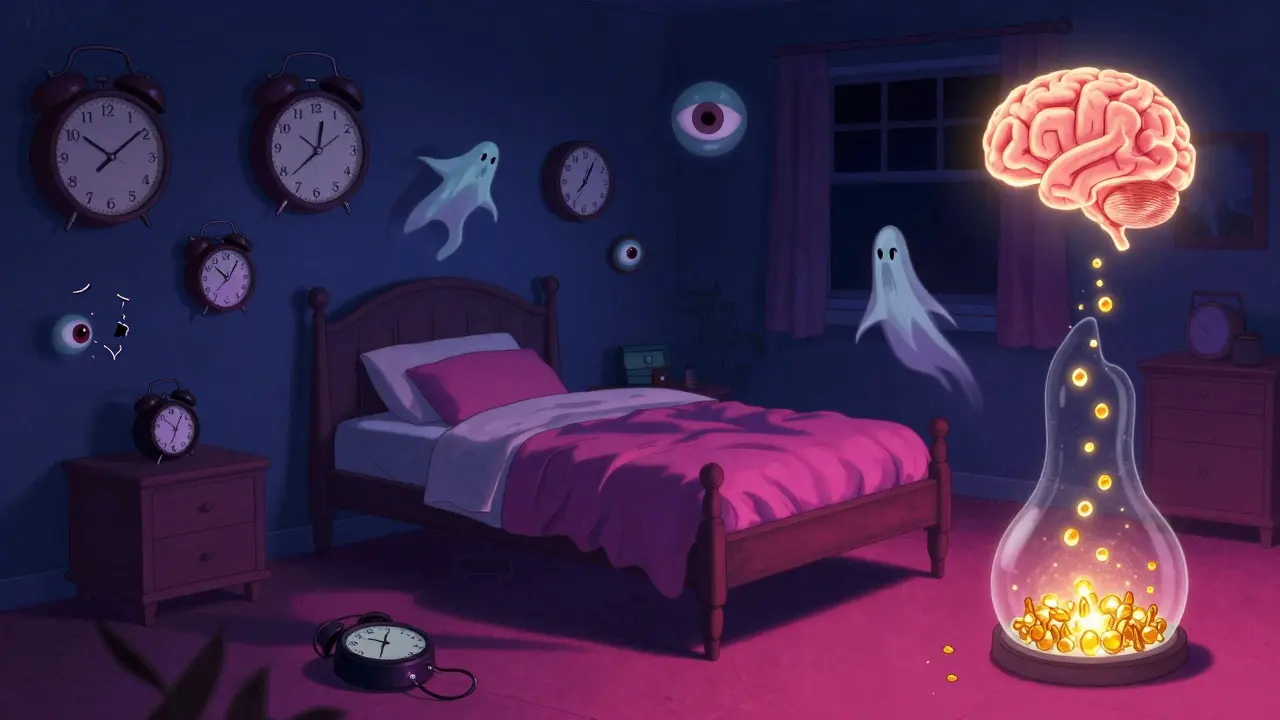
Nighttime sleep is often broken. People spend hours in bed but wake up multiple times, getting less than 6.5 hours of real sleep. Sleep paralysis, where you’re conscious but can’t move at sleep onset or wake-up, affects 6 in 10 patients. And then there are hallucinations-vivid, scary visions that happen as you’re falling asleep or waking up. These aren’t dreams. They feel terrifyingly real.
Diagnosis requires a sleep study. First, a nighttime polysomnogram checks for sleep fragmentation. Then, the Multiple Sleep Latency Test (MSLT) measures how quickly you fall asleep during the day and whether you enter REM sleep too soon. A mean sleep latency of 8 minutes or less, with two or more sleep-onset REM periods, confirms narcolepsy. In some cases, a spinal fluid test measuring hypocretin-1 levels below 110 pg/mL gives a definitive answer.
Why Stimulants Are the First Line of Treatment
There’s no cure for narcolepsy yet. The brain doesn’t produce enough hypocretin, the chemical that keeps you awake. So treatment focuses on managing the biggest problem: daytime sleepiness. That’s where stimulants come in. They don’t fix the root cause, but they help the brain stay alert.
Modafinil (Provigil) is the most commonly prescribed. It works by boosting dopamine in the brain, helping maintain wakefulness without the jittery highs and crashes of older stimulants. Studies show 70% of people on modafinil see a big drop in sleepiness scores after a few weeks. It’s usually started at 200 mg in the morning. If it’s not enough, the dose can go up to 400 mg.
Armodafinil (Nuvigil) is similar but lasts longer-up to 15 hours-so it’s often taken as a single daily dose. People who struggle with afternoon crashes find this helpful. In one trial, 65% of patients on armodafinil reached a sleepiness score below 10, compared to just 32% on placebo.
Traditional Stimulants: More Power, More Risk
For those who don’t respond to modafinil, doctors may turn to traditional stimulants like methylphenidate (Ritalin) or amphetamines (Adderall). These are stronger. They work faster. And they help about 80% of people stay awake.
But they come with trade-offs. About 45% of people stop taking them within a year because of side effects: increased heart rate, high blood pressure, trouble sleeping, anxiety, or loss of appetite. Some report emotional numbness or feeling "robotic." There’s also a risk of dependence, which is why they’re classified as Schedule II drugs by the DEA.
For patients with severe EDS-those with Epworth Sleepiness Scale scores above 16-traditional stimulants often work better than modafinil. But they’re not first choice anymore. Guidelines now recommend modafinil first, because the safety profile is much better.
Newer Options: What’s Changing
In recent years, two new drugs have joined the treatment options. Pitolisant (Wakix) works differently-it boosts histamine in the brain to promote wakefulness. It’s as effective as modafinil but doesn’t raise blood pressure or heart rate. The catch? It costs about $850 a month, compared to $400 for generic modafinil.
Solriamfetol (Sunosi) blocks dopamine and norepinephrine reuptake. It’s effective at doses of 75 to 150 mg, reducing sleepiness by nearly 10 points on the ESS. It has low abuse potential, but it can raise blood pressure. About 7% of users in trials saw their readings go above 140/90.
Then there’s sodium oxybate (Xyrem), which isn’t a stimulant but is powerful for cataplexy. It reduces episodes by 85% and also helps with daytime sleepiness. But it’s tightly controlled. You have to take it at night in two doses, and it requires enrollment in a special safety program because of abuse risks.
Real People, Real Experiences
Online communities tell stories that studies can’t capture. On MyNarcolepsyTeam, 68% of modafinil users say they’re satisfied. Many praise the "clean energy"-no caffeine jitters, no crash. But 412 out of 632 users report the drug stops working as well after 18 months. Headaches and nausea are common complaints.
Those on amphetamines report better wakefulness but at a cost. Two out of three say they lost their appetite. More than half felt emotionally flat. On Reddit, people talk about "rebound fatigue"-a crushing tiredness in the evening after the drug wears off.
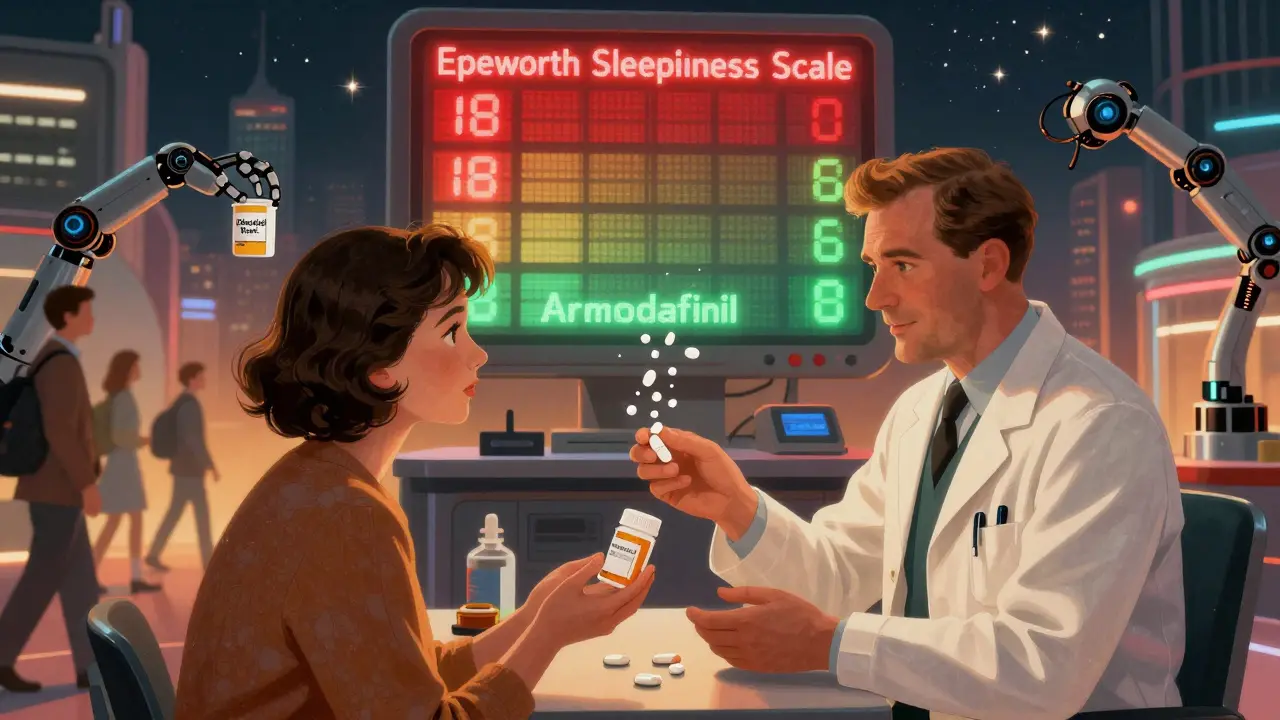
Sarah Johnson, a 34-year-old teacher, went from an ESS score of 18 to 6 on armodafinil. She now teaches full-time. But not everyone has that outcome. In 2022, the FDA recorded 142 cases of stimulant-induced psychosis-rare, but serious. Most cases resolved after stopping the medication.
How Treatment Is Managed
Starting a stimulant isn’t just about picking a pill. It’s a process. Doctors begin with modafinil 200 mg in the morning. After two weeks, they check your Epworth Sleepiness Scale score. If it didn’t drop by at least 3 points, they increase the dose. Monthly check-ins track progress. Blood pressure is checked every three months. Heart health is reviewed yearly.
Insurance is a major hurdle. Nearly 80% of patients say getting approval for medication takes weeks. The average wait is 14 days. Some patients stay on too low a dose for months because their doctor doesn’t adjust it-this is called therapeutic inertia. It’s a real problem in narcolepsy care.
What’s Coming Next
Research is moving beyond symptom control. Scientists are testing drugs that replace the missing hypocretin. TAK-994, an orexin receptor agonist, showed promise in trials-until liver toxicity halted development in 2023. Another drug, JZP-258 (lower-sodium oxybate), is under FDA review and could offer the same benefits as Xyrem without the high sodium load, which causes swelling and discomfort in some patients.
Long-term, the goal is disease-modifying therapy. If narcolepsy Type 1 is autoimmune, could we stop the immune system from attacking hypocretin cells? Trials are starting to explore immunotherapy and even stem cell replacement. These are years away, but they represent the next frontier.
Living With Narcolepsy Today
Narcolepsy is manageable, but not easy. Medication helps, but lifestyle matters too. Scheduled naps during the day, consistent sleep schedules, avoiding alcohol, and staying active can all reduce symptoms. Employers are starting to accommodate-68% of Fortune 500 companies now have policies for employees with narcolepsy under the ADA.
But access remains unequal. Globally, only 35% of people with narcolepsy can get consistent medication. In the U.S., 100,000 cases are still undiagnosed. If you’re constantly exhausted, even after a full night’s sleep, it’s worth asking: could this be more than just stress?
Can narcolepsy be cured?
No, there is no cure yet. Narcolepsy is caused by a loss of hypocretin-producing brain cells, and current treatments only manage symptoms like daytime sleepiness and cataplexy. Research into disease-modifying therapies-like immune system targeting or cell replacement-is ongoing, but these are still in early stages.
Are stimulants addictive?
Modafinil and armodafinil have very low potential for abuse and are not classified as controlled substances. Traditional stimulants like Adderall and Ritalin are Schedule II drugs and can be habit-forming, especially at high doses. Most people with narcolepsy take them as prescribed and don’t develop addiction, but doctors monitor for misuse, especially in those with a history of substance use.
Why do some people stop taking their medication?
The most common reasons are side effects and diminishing effectiveness. About 45% of people on traditional stimulants stop within a year due to anxiety, insomnia, appetite loss, or heart concerns. With modafinil, many report it stops working as well after 18 months, leading to frustration. Some also stop because of cost, insurance delays, or feeling emotionally "numb."
Can I drive with narcolepsy?
Yes, but only if your symptoms are well-controlled. Many people with narcolepsy drive safely with medication and scheduled naps. However, if you still have sudden sleep attacks, driving is dangerous and often restricted by law. Always follow your doctor’s advice and report any episodes. Some states require medical clearance to renew a license.
How long does it take for stimulants to work?
Most people notice improvement within a few days to a week. Modafinil and armodafinil usually start working within 1 to 2 hours. Full effects on sleepiness scores take about two weeks. If there’s no improvement after that, your doctor will adjust the dose or try a different medication.
Carolyn Whitehead
February 1, 2026 AT 02:24Still, the cost is insane. Insurance took 6 weeks to approve it. I had to pay out of pocket for the first month.
Amy Insalaco
February 1, 2026 AT 15:53Marc Bains
February 3, 2026 AT 11:03Also, scheduled naps are non-negotiable. Even 20 minutes helps. I keep a sleep mask and earplugs in my car.
Rob Webber
February 4, 2026 AT 19:43Lisa McCluskey
February 6, 2026 AT 03:16owori patrick
February 7, 2026 AT 18:01Claire Wiltshire
February 7, 2026 AT 21:54Russ Kelemen
February 8, 2026 AT 12:14Adarsh Uttral
February 8, 2026 AT 12:57