Mouth Taping and Sleep: Is It Safe or Just a Social Media Trend?
 Apr, 16 2026
You've probably seen it on your TikTok feed: someone sticking a piece of adhesive tape over their lips before heading to bed, claiming it's the secret to deeper sleep, a sharper jawline, and an end to snoring. It sounds simple enough-just force your body to breathe through your nose, and suddenly you're waking up refreshed. But before you reach for the medical tape, you need to know that what looks like a harmless "biohack" can actually be dangerous for a huge chunk of the population.
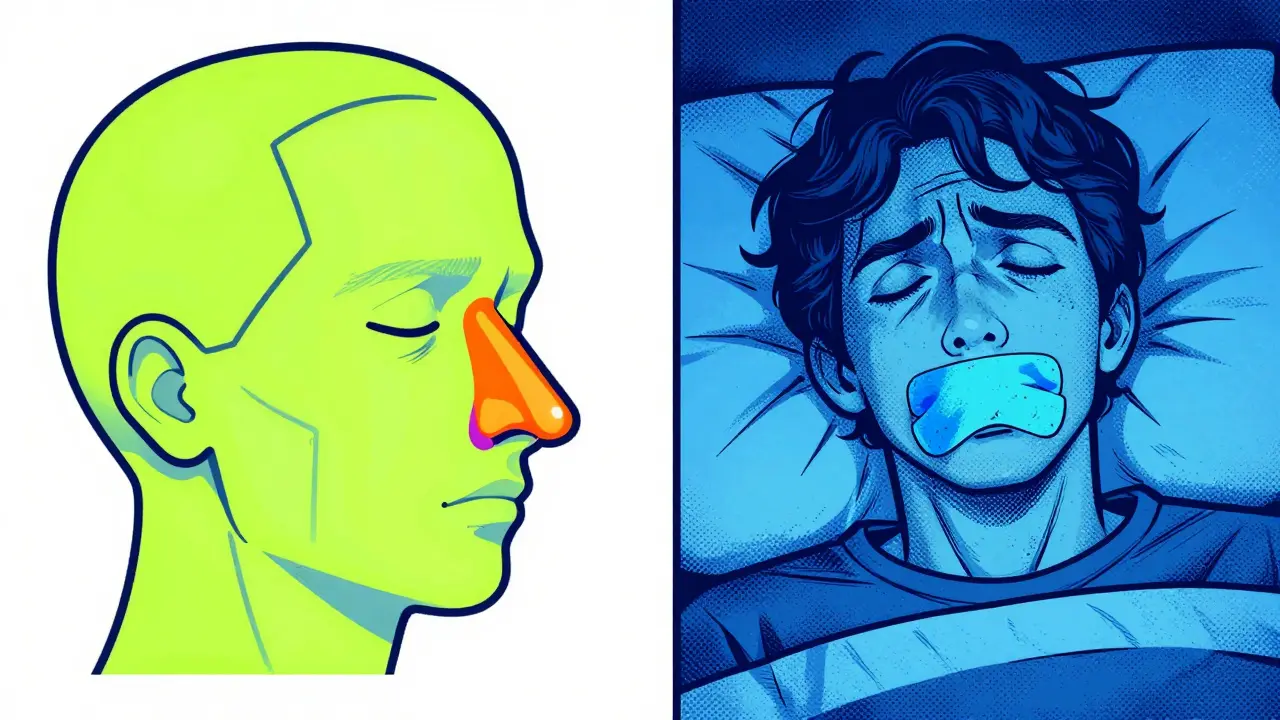
The core idea behind mouth taping is the practice of applying a strip of adhesive tape across the lips during sleep to prevent oral breathing and promote nasal breathing. While the theory that nasal breathing is healthier than mouth breathing is generally accepted, the method of forcing it with tape is where the medical community pushes back. If you have an undiagnosed breathing issue, you aren't just "improving your sleep"-you might be cutting off your primary backup airway.
Quick Takeaways: What You Need to Know
- Not a Medical Treatment: Neither the FDA nor the American Academy of Sleep Medicine recognizes mouth taping as a legitimate treatment for sleep apnea.
- High Risk for OSA: People with Obstructive Sleep Apnea (OSA) may experience dangerous drops in oxygen levels if they cannot breathe through their nose.
- Limited Evidence: Most studies supporting the practice are considered low quality; a systematic review in PLOS One found no strong scientific evidence for the viral health claims.
- Potential Side Effects: Users frequently report skin irritation, anxiety, and waking up gasping for air.
The Theory vs. The Reality of Nasal Breathing
Proponents of mouth taping argue that breathing through your nose filters air, humidifies it, and increases oxygen uptake. In a perfect world, this is true. However, your body breathes through your mouth for a reason-usually because your nasal passages are blocked or your airway is collapsing during sleep.
When you apply a piece of 3M Micropore tape (a common medical-grade adhesive) to your lips, you are removing your body's "fail-safe." If you have a deviated septum or chronic congestion, your brain will still signal you to breathe through your mouth. Since the tape prevents this, some people experience the "mouth puffing phenomena," where air leaks out the sides of the tape because the body is fighting to get oxygen. This isn't a sign of the tape "working"; it's a sign of respiratory distress.
Is it Actually Effective for Snoring and Apnea?
If you're looking at the data, the results are inconsistent at best. An NIH study published in 2022 looked at mouth-breathers with mild Obstructive Sleep Apnea and found that the apnea-hypopnea index (AHI) and snoring index were reduced by about 50% for those who could tolerate the tape. But there's a massive catch: it only worked for people who already had a clear nasal passage.
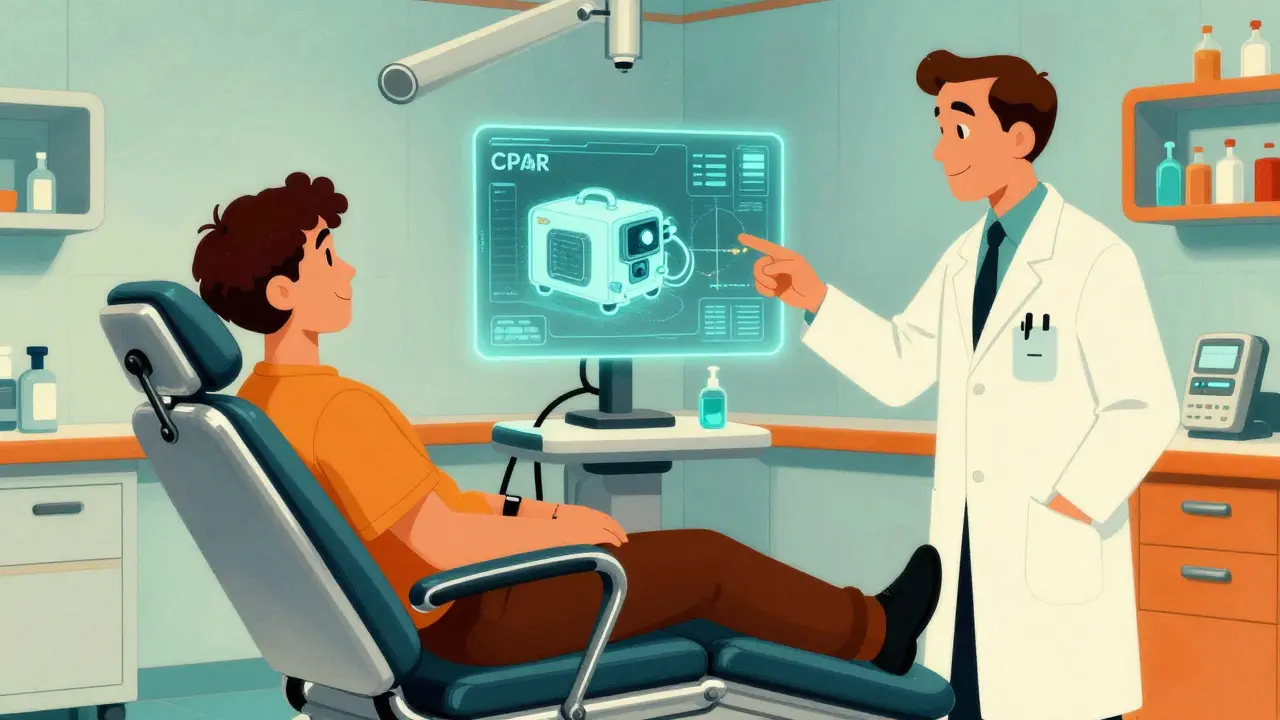
For the 20% of the general population with nasal obstruction, mouth taping is completely ineffective and potentially hazardous. Compare this to gold-standard treatments, and the gap is clear. CPAP (Continuous Positive Airway Pressure) therapy has an effectiveness rate of 85-90% for moderate to severe OSA. Even Mandibular Advancement Devices (MADs), which shift the jaw forward to open the airway, show much more consistent AHI reductions of 40-60%.
| Method | Average Cost | Clinical Efficacy | FDA Approved for OSA? | Primary Risk |
|---|---|---|---|---|
| Mouth Taping | $5 - $15 | Low/Inconsistent | No | Oxygen desaturation |
| CPAP Machine | $500 - $3,000 | High (85-90%) | Yes | Dryness/Discomfort |
| MADs (Oral Appliances) | $1,000 - $2,500 | Moderate (40-60%) | Yes | Jaw soreness |
The Safety Red Flags: Why Doctors Are Worried
The biggest danger is the unknown. Many people who try mouth taping because they "snore a little" actually have undiagnosed sleep apnea. When you tape your mouth shut, you might prevent your body from waking you up enough to take a breath, leading to clinically significant oxygen desaturation. A 2023 study in the Journal of Clinical Sleep Medicine found that 22% of taped participants experienced oxygen levels dropping below 88% (SpO2), compared to only 4% when they slept normally.
Dr. Brian Rotenberg, a sleep surgeon, has warned that this practice can make symptoms worse and increase the risk of long-term complications like heart disease because the heart has to work harder to pump oxygen-depleted blood. Beyond the internal risks, there's the simple physical toll: skin irritation from the adhesive and a genuine sense of panic or anxiety when you wake up and realize you can't immediately open your mouth to breathe.
The Influence of Social Media vs. Clinical Reality
The rise of mouth taping is a classic example of a "viral health trend." Analysis of the #mouthis-taping hashtag on TikTok showed that over 70% of videos promoted the benefits without mentioning a single risk. Many creators claim the practice helps with facial aesthetics or anti-aging, but there is zero clinical data to support the idea that taping your lips for eight hours a night changes your bone structure or prevents wrinkles.
Real-world user experiences echo the medical warnings. In community forums like Reddit, a significant number of users report "waking up gasping" or experiencing severe anxiety. In one survey by the American Sleep Apnea Association, 68% of people who tried it quit within two weeks because it was simply too uncomfortable or frightening.
If You're Still Considering It: A Safer Approach
If you are determined to try improving your nasal breathing, don't start with tape. The goal should be to enable nasal breathing, not force it. Start by addressing the blockage. Use a saline rinse or try an FDA-cleared internal nasal dilator to open up your passages first. If you can't breathe comfortably through your nose while awake, taping your mouth shut at night is a recipe for disaster.
If you do decide to experiment, follow a cautious protocol: start with small pieces of tape during a short daytime nap. This allows you to gauge your reaction while you are conscious and can easily remove the tape if you panic. However, the only truly safe way to start is to get a sleep study. Knowing whether you have OSA or simply a congested nose changes the conversation from "trying a trend" to "managing your health."
Can mouth taping cure sleep apnea?
No, mouth taping cannot cure sleep apnea. Sleep apnea is caused by a physical collapse of the airway or a neurological issue in the brain. While taping might reduce snoring for some, it does not treat the underlying cause of apnea and can actually make the condition more dangerous by restricting a backup airway.
What is the best tape to use for mouth taping?
Most proponents suggest hypoallergenic paper tape, such as 3M Micropore, because it is gentler on the skin. However, the type of tape does not make the practice safe; the danger lies in the restriction of breathing, not the adhesive itself.
Does mouth taping actually help with snoring?
For people with very mild snoring and clear nasal passages, it may reduce the sound of snoring by forcing nasal breathing. However, for those with obstructive sleep apnea, it is not a recommended or safe solution.
Are there any FDA-approved mouth tapes?
As of late 2023, the FDA has not cleared or approved any specific mouth tape products as a treatment for sleep apnea.
What should I do if I wake up gasping for air while taping?
Stop using the tape immediately. Gasping for air is a sign that your body cannot get enough oxygen through your nose. You should consult a sleep specialist to be screened for obstructive sleep apnea or nasal obstructions.
Next Steps and Troubleshooting
For the "Casual Snorer": If you don't feel tired during the day and don't have high blood pressure, you might just have a mild snoring issue. Try using nasal strips or a humidifier in your room before attempting any restrictive measures.
For the "Tired Sleeper": If you wake up feeling exhausted despite 8 hours of sleep, or if a partner says you stop breathing during the night, do not use mouth tape. Your priority should be a referral to a sleep clinic for a polysomnography (sleep study) to check for OSA.
For the Habitual Mouth Breather: Focus on "nasal hygiene." Use saline sprays to clear your sinuses and practice mindful nasal breathing during the day. If your nose feels permanently blocked, see an Ear, Nose, and Throat (ENT) specialist to check for nasal polyps or a deviated septum.
Maggie Graziano
April 19, 2026 AT 03:27big pharma just wants us to buy cpaps 🙄
Nell O'Leary
April 19, 2026 AT 04:05The SpO2 desaturation mentioned here is a huge red flag for anyone with potential obstructive sleep apnea 😱. It's basically playing Russian roulette with your oxygen levels just to save a few bucks on a medical device. Definitely an issue of prioritizing aesthetics over pulmonary function! ✨
Nikki Grote
April 19, 2026 AT 23:45From a clinical perspective, the risk-to-reward ratio is completely skewed here. We're talking about potential hypoxemia and the subsequent strain on the cardiovascular system. If the upper airway is collapsing, no amount of adhesive tape is going to fix the physiological obstruction. You need to address the nasal patency before even thinking about restrictive measures, otherwise, you're just inducing a state of respiratory distress while you sleep. It's much more effective to use a CPAP or MAD to maintain airway openness than to try and force a backup system that might be blocked anyway.
Anmol Garg
April 20, 2026 AT 18:16It's interesting how we've reached a point where we treat our bodies like machines to be "hacked" rather than listening to the signals they send us. If your body is breathing through its mouth, there's usually a reason for that. We should approach our health with more compassion and less obsession with the latest viral shortcut. Just take a breath and actually talk to a doctor.
ira fitriani
April 21, 2026 AT 20:48OMG I tried this once and woke up literally PANICKING! 😱 It was the most terrifying feeling ever, like I was suffocating in my own bed! 😭 Never again! Please please please listen to the doctors and don't let some influencer trick you into this! 🚫💤
Rock Stone
April 23, 2026 AT 09:16Just a chill reminder to everyone to be safe. If it feels wrong, stop doing it. No trend is worth your health, man.
Nathan Berlin
April 23, 2026 AT 10:12imagine believing this garbage 🤡 absolute peasants trying to biohack their way to health without any real intellect 🙄
Theresa Griffin MEP
April 25, 2026 AT 07:24Medical adherence is paramount. Cease this practice immediately if respiratory distress occurs.
Michael Lewis
April 25, 2026 AT 09:55Get a sleep study done! Stop guessing with your life and get the real data so you can actually fix the problem properly. No more shortcuts!
Jon lee
April 27, 2026 AT 06:41I totally agree with the point about focusing on nasal hygiene first. Maybe start with some saline sprays and see if that helps before jumping into something as drastic as taping. Just stay safe everyone!