Medication-Induced Dysosmia: Why Your Smell Changes and How to Fix It
 Jun, 11 2026
Medication-Induced Dysosmia Checker
Step 1: Check Your Medication
Select the class of medication you have recently started or changed.
Step 2: Symptom Severity
How has your sense of smell been affected?
Your Assessment Results
Risk Level
Mechanism details will appear here.
Estimated Recovery
Time after stopping medication:
Based on general statistics.
Symptom Impact
Analysis of severity.
Consult an ENT specialist if symptoms persist beyond 2 weeks.
Recommended Action Plan
When Food Tastes Like Smoke or Metal
You take a bite of your morning coffee, and instead of that rich, roasted aroma, you hit a wall of burnt rubber. Or maybe you walk into a clean kitchen and swear someone is smoking a cigarette in the corner. These aren't just bad days; they are signs of dysosmia, a condition where your sense of smell becomes distorted, making familiar scents unpleasant or creating phantom odors that aren't there. While we often blame colds or allergies for sniffles, a silent culprit is hiding in your medicine cabinet. Over 500 medications can trigger this unsettling shift in perception, turning simple acts like eating or showering into sources of stress and anxiety.
This isn't a rare quirk. According to research from the University of Pennsylvania’s Smell and Taste Center, roughly 20% of all taste and smell disorders have iatrogenic origins-meaning they are caused by medical treatment itself. Medication-induced dysosmia ranks as the second most common cause after upper respiratory infections. Yet, because doctors rarely ask about smell changes during routine check-ups, many patients suffer in silence, wondering if their nose is broken or if they are losing their mind. The truth is, your medication might be rewriting how your brain interprets scent signals.
How Drugs Mess With Your Nose
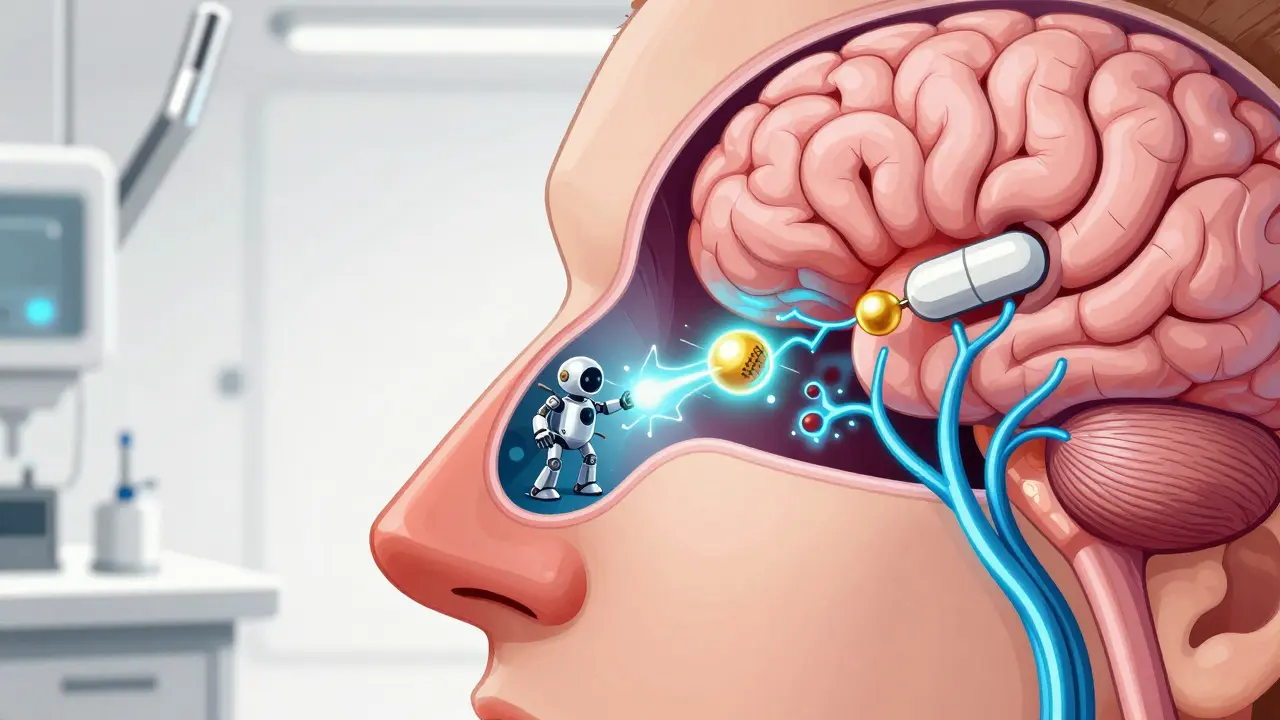
To understand why pills change your smell, you have to look at what happens inside your nasal cavity. Your olfactory system relies on delicate receptors that bind with odor molecules. When these receptors fire correctly, your brain identifies "coffee" or "perfume." But certain drugs interfere with this process through several specific mechanisms.
Some medications, particularly antibiotics, chelate (bind to) essential minerals like zinc, calcium, and magnesium. Zinc is crucial for the turnover of taste and smell cells. When an antibiotic pulls zinc out of circulation, those cells stop regenerating properly. Other drugs, like certain antidepressants, permeate the cell membranes themselves. For example, sertraline has been shown to interact directly with the phospholipid membranes of sensory cells. Still others disrupt the downstream signaling pathways, such as G-proteins and TRPM5 channels, which act as the messengers telling your brain that a smell has been detected.
The result is either a failure to activate the receptor (leading to loss of smell, or hyposmia) or abnormal persistence of activity (leading to distortion, or dysosmia). In the latter case, the receptor stays "on" even when no odor is present, creating phantom smells like smoke, rotting eggs, or metal.
High-Risk Medications to Watch
Not all drugs carry the same risk. If you are experiencing sudden smell changes, check if you are taking any of these high-risk categories. Data from MedLink Neurology and various clinical studies highlight specific offenders:
- Antibiotics: This is the biggest group. Azithromycin, clarithromycin, doxycycline, levofloxacin, and moxifloxacin have relative risks ranging from 1.9 to 2.5 for causing smell disorders. Symptoms often appear within 7 to 14 days of starting the course.
- Cardiovascular Drugs: Midodrine, used for low blood pressure, has documented links to dysosmia. The mechanism here differs from antibiotics, often involving different metabolic pathways.
- Neurological Agents: Carbamazepine and baclofen can cause severe distortions. Carbamazepine, in particular, has been linked to complete ageusia (loss of taste) alongside smell issues.
- Endocrine Medications: Drugs like carbimazole and tolbutamide can also alter chemosensory perception.
| Drug Class | Specific Examples | Typical Onset | Primary Mechanism |
|---|---|---|---|
| Antibiotics | Azithromycin, Levofloxacin, Doxycycline | 7-14 days | Zinc/Calcium Chelation |
| Antidepressants | Sertraline, Mirtazapine | Variable | Membrane Permeation / Receptor Interaction |
| Antiepileptics | Carbamazepine, Baclofen | Weeks to Months | Signaling Pathway Disruption |
| Cardiovascular | Midodrine | Variable | Metabolic Interference |
The Real-Life Impact: More Than Just a Bad Smell
It is easy to dismiss a weird smell as a minor annoyance, but the consequences can be severe. Smell is inextricably linked to appetite and nutrition. When food tastes like bile, garbage, or nothing at all, people stop eating. Studies show that up to 30% of patients with medication-induced dysosmia experience significant weight loss. One documented case involved a woman who lost 8 pounds in three weeks after starting levofloxacin because every meal tasted like metal.
Beyond nutrition, there is a safety risk. You rely on your nose to detect gas leaks, smoke from a fire, or spoiled milk. Losing that warning system puts you in danger. Psychologically, the constant presence of a phantom odor-like the smell of rotten eggs or burning hair-can lead to anxiety, depression, and social isolation. Patients report avoiding restaurants, public transport, and even intimacy because they cannot trust their own senses.
Diagnosis: Why Doctors Miss It
If you tell your doctor your food tastes funny, they might assume it is just a temporary side effect or a stomach issue. This is a major gap in current care. A 2022 survey found that only 37.2% of primary care physicians routinely screen for smell changes. Most electronic health records don't even have a prompt for it.
To get a proper diagnosis, you need a specialist, usually an otolaryngologist (ENT). They may use the University of Pennsylvania Smell Identification Test (UPSIT), a 40-item scratch-and-sniff test that objectively measures your ability to identify common odors. This helps distinguish between true dysosmia (distortion) and hyposmia (reduced sensitivity). It also rules out neurological conditions like Parkinson's disease or Alzheimer's, which can also affect smell. However, timing is key: if symptoms start shortly after beginning a new medication, the drug is the likely suspect.

Treatment and Recovery Strategies
The good news? For most people, medication-induced dysosmia is reversible. About 78% of cases resolve within three months of stopping the offending drug. But "stopping" isn't always an option if the medication is life-saving. Here is how clinicians approach management:
- Medication Switch: If possible, ask your doctor if an alternative exists. For example, switching from azithromycin to a different class of antibiotic might spare your sense of smell.
- Zinc Supplementation: Since many antibiotics deplete zinc, supplementation can help restore cell turnover. However, be cautious. Dr. Thomas Hummel warns that indiscriminate zinc use can lead to copper deficiency. Always take zinc under medical supervision, typically for no more than a few weeks.
- Olfactory Training: This involves sniffing four strong, distinct scents (usually rose, lemon, eucalyptus, and clove) twice a day for several months. It forces the brain to rewire its connections, helping to clear out phantom smells.
- Symptom Management: In some cases, doctors prescribe dopaminergic antagonists or GABA-ergic agonists to dampen the abnormal neural firing causing the distortion. Mirtazapine, an antidepressant, has surprisingly helped some patients resolve dysgeusia (taste distortion) within days.
Patient support groups, like those hosted by the Fifth Sense nonprofit, offer community validation. Hearing that others share your struggle with "phantom smoke" or "metallic mouth" can reduce the isolation that comes with this invisible condition.
What’s Next for Research?
Recognition of this issue is growing. The FDA has begun including smell and taste disturbances in its guidance for clinical trials, and the European Medicines Agency plans to require smell assessments for new antibiotics and cardiovascular drugs by 2024. New treatments are in development, including TRPM5 channel modulators designed specifically to target the root cause of drug-induced olfactory dysfunction. Until then, awareness is your best tool. If your smell changes suddenly, look at your meds first.
How long does medication-induced dysosmia last?
For approximately 78% of patients, symptoms resolve within 3 months of discontinuing the causative medication. However, about 22% of cases may persist longer or require specific interventions like olfactory training or alternative medications. Antibiotic-induced cases often appear within 7-14 days and may linger for weeks after stopping the drug.
Can antibiotics permanently damage your sense of smell?
While rare, permanent damage is possible if the olfactory epithelium suffers severe necrosis or if the underlying cause is not addressed. However, most antibiotic-induced dysosmia is temporary. The distortion is usually due to reversible interference with zinc levels or receptor signaling. Persistent cases should be evaluated by an ENT to rule out other causes.
What is the difference between dysosmia and parosmia?
Dysosmia is the broad term for any distortion in smell perception. Parosmia is a specific type of dysosmia where pleasant smells are perceived as foul (e.g., coffee smelling like burnt plastic). Another type, phantosmia, involves smelling odors that are not present at all (phantom smells).
Should I take zinc supplements if my smell is distorted?
Only under medical supervision. While zinc deficiency can worsen smell disorders, and antibiotics can deplete zinc, excessive zinc intake can cause copper deficiency, leading to neurological problems. A doctor can test your zinc levels and recommend a safe dosage and duration if supplementation is appropriate.
Which doctor should I see for medication-induced smell loss?
You should start with your primary care provider to review your medications, but for a definitive diagnosis and management plan, see an otolaryngologist (ENT) specializing in smell and taste disorders. They can perform tests like the UPSIT and rule out neurological conditions.
Aditya Singh
June 11, 2026 AT 23:45The pharmacokinetic implications of zinc chelation by macrolides are often underestimated in primary care settings, leading to prolonged olfactory dysfunction that could be mitigated with proactive supplementation protocols. It is truly inspiring to see such detailed mechanistic breakdowns being shared publicly, as it empowers patients to advocate for their chemosensory health with greater clinical literacy and confidence.
Brett Webster
June 12, 2026 AT 18:44I've been tracking this issue in my practice for years. The key takeaway here is the timeline: if symptoms onset within two weeks of starting an antibiotic, flag it immediately. Most GPs don't ask about smell changes during follow-ups, so you have to bring it up. Don't just stop the med without a plan, but do request a switch to a non-chelating alternative if clinically feasible. We need better screening tools in EHRs for this specific iatrogenic side effect.
Sherry Wheeler
June 13, 2026 AT 05:37Oh my gosh, reading this felt like someone finally pulled back the curtain on my nightmare! I spent three months thinking I was going insane because every meal tasted like burnt rubber after a simple course of levofloxacin. The weight loss was terrifying, but knowing it has a name and a mechanism gives me so much hope. Thank you for shedding light on this invisible struggle that isolates us from our own senses!
Miranda River
June 13, 2026 AT 10:52honestly this whole thing is kinda wild how big pharma ignores the nose until its too late. i mean come on, we know zinc is important but nobody tells u to take it w antibiotics. feels like they just want u sick longer so u buy more stuff. also the part about phantom smells is giving me serious existential dread lol. why does coffee smell like smoke now??
Lee Coates
June 14, 2026 AT 11:35Typical western medicine failure. :P They push these chemical cocktails without warning you your brain might fry. Meanwhile, traditional remedies don't cause 'dysosmia' or whatever fancy term they made up. Fix your diet, not your nose with pills. But sure, blame the antibiotic instead of the lifestyle choices that got you sick in the first place. /s
Callie Skipper
June 15, 2026 AT 08:35i had this happen with azithromycin last year and it was so weird just suddenly everything smelled wrong. took forever to go away even after stopping the meds. good to know about the zinc thing maybe i should have tried that sooner. still getting random whiffs of smoke sometimes which is creepy
Ganesh Honikol
June 17, 2026 AT 00:39It is profoundly encouraging to witness such comprehensive educational content addressing a frequently overlooked iatrogenic condition. The correlation between sertraline-induced membrane permeation and subsequent olfactory distortion is a critical piece of information that many patients remain unaware of until significant distress occurs. By disseminating this knowledge, we foster a more informed patient population capable of engaging in meaningful dialogue with their healthcare providers regarding potential side effects and alternative therapeutic avenues. :)
AnneKatherine Stiekes
June 18, 2026 AT 09:03thanks for sharing this info. it’s scary how common it is but rarely talked about. i’ve heard friends complain about taste changes but never connected it to smell. definitely gonna keep this in mind next time i’m prescribed something new. hope everyone suffering from this finds relief soon
Emily Barnhill
June 19, 2026 AT 23:46We need to stop normalizing the silence around sensory side effects! If you are experiencing this, speak up. Your doctor needs to hear you. It is not 'just in your head.' The statistics showing only 37% of physicians screen for this are unacceptable. Demand better care. You deserve to enjoy your food and feel safe in your environment without phantom odors ruining your life. Let's support each other in advocating for proper ENT referrals when needed.
Hailey Dunston
June 20, 2026 AT 03:05How quaint that you think sniffing rosewater twice a day will rewire your neural pathways. Olfactory training is essentially placebo theater for people who can’t afford neuroplasticity clinics. The real solution? Stop taking garbage drugs that violate your bodily autonomy. But sure, let’s pretend ‘training’ fixes chemical receptor damage. Classic mass-market medicalization of basic biology. :)
shreya sinha
June 22, 2026 AT 00:49One must consider the profound ethical lapses inherent in pharmaceutical practices that allow such debilitating side effects to persist without adequate patient education or mandatory screening protocols. The fact that individuals suffer significant weight loss and psychological distress due to unmonitored medication interactions speaks volumes about the systemic negligence prevalent in modern healthcare systems. It is morally indefensible that primary care physicians fail to inquire about olfactory changes, thereby leaving patients vulnerable to prolonged suffering and misdiagnosis. Such oversight is not merely a clinical gap but a moral failing.
Glenn Davis
June 23, 2026 AT 07:16Weakness. Take the pill. Get over it. Smell isn't that important anyway. Real men don't complain about coffee tasting like metal. Just toughen up and finish the course. No excuses.
Cici arya Arya
June 24, 2026 AT 19:20Wait, so you're saying my boyfriend's bad breath isn't just him eating garlic again? Could it be his antibiotics? Because honestly, I'm starting to wonder if he's hiding something or if his meds are just messing with his entire sensory system. This is so personal and invasive but also kind of fascinating. Does this mean I should be worried about my own smell perception changing too? I feel like I need to know everything about this now.
rebecca torres
June 26, 2026 AT 18:14everyone knows antibiotics kill good bacteria but nobody talks about the nose stuff. pretty obvious once you think about it though. the body is connected. if you mess with one part you mess with another. doctors are lazy and dont read labels properly either. typical.
Christina S.
June 28, 2026 AT 15:30I switched from mirtazapine to another antidepressant and noticed a huge difference in how food tasted. Before, everything had this metallic tang that made eating miserable. Now it’s back to normal. So yes, switching meds really works! Also, try the zinc supplement but check with your doc first like the article says. Don't go crazy with it though, copper deficiency is no joke. Hope this helps anyone else stuck in that weird smell fog.