Medication Errors with Generics: Look-Alike, Sound-Alike Risks
 Sep, 2 2026
You pick up a prescription. The label says "Hydroxyzine." You swallow the pill. But what if the pharmacy actually handed you "Hydralazine"? One is an antihistamine for itching; the other is a blood pressure medication. Swapping them could leave your itch untreated or drop your blood pressure dangerously low. This isn't a rare anomaly-it's a daily reality in healthcare known as Look-Alike, Sound-Alike (LASA) medication errors.
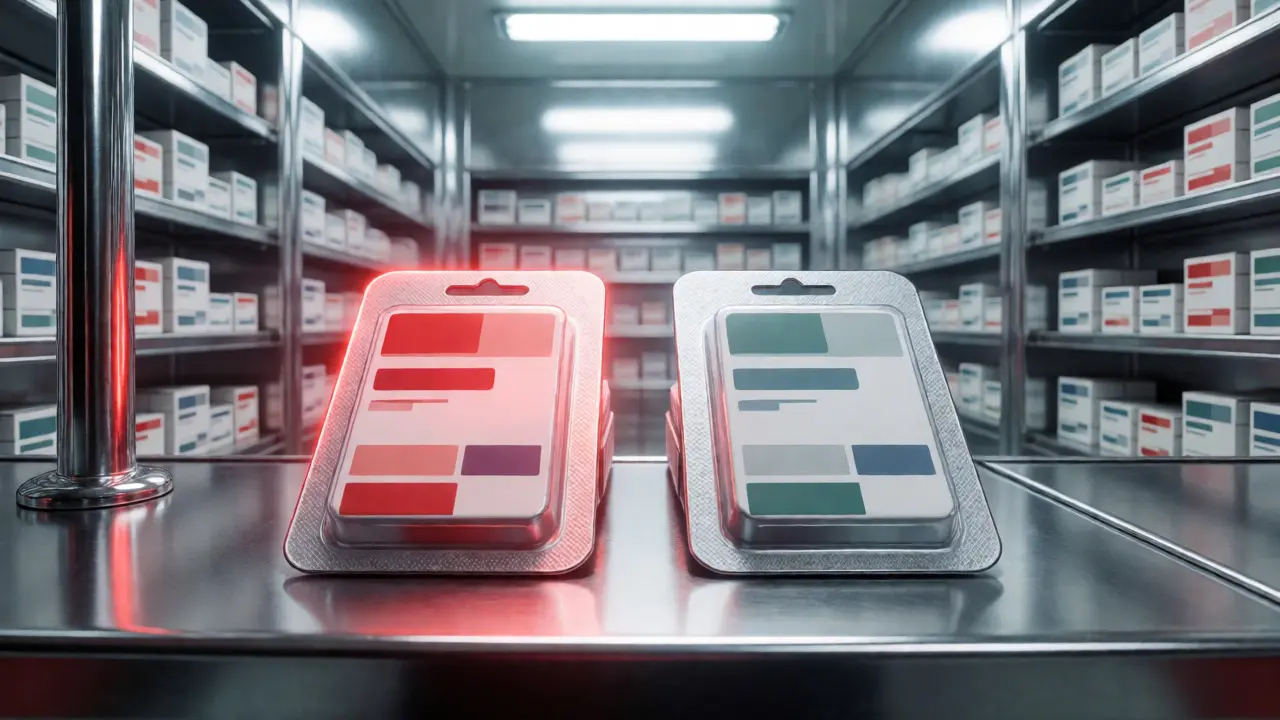
With the rise of generic drugs, the risk has shifted. Brand names are distinct by design. Generics, however, often share similar chemical suffixes and come in packaging that looks nearly identical across different manufacturers. If you take multiple medications, understanding how these mix-ups happen-and how to stop them-is crucial for your safety.
The Scale of the Problem
It’s easy to assume that medication errors are rare mistakes made by tired nurses or distracted pharmacists. The data tells a different story. According to the World Health Organization, LASA errors account for approximately 25% of all medication errors globally. That’s one in four incidents where the wrong drug was given because it looked or sounded like the right one.
In Canada, the numbers mirror global trends. A study from the UK’s National Reporting and Learning System found over 200,000 medication incidents in a single year, with hundreds resulting in severe harm or death. While not every error leads to disaster, many go unnoticed until they cause side effects or treatment failure. For patients managing chronic conditions like diabetes or hypertension, this isn't just a statistic-it's a potential health crisis waiting to happen.
Why Generics Increase the Risk
Brand-name drugs have unique marketing identities. Think of Tylenol versus Advil. They look different, sound different, and are stored separately. Generic drugs don’t have this luxury. When a patent expires, dozens of manufacturers can produce the same active ingredient. To keep costs down, they often use standard blister packs, similar bottle colors, and uniform labeling formats.
This creates two specific types of confusion:
- Orthographic Similarity (Look-Alike): Names that visually resemble each other on a prescription pad or screen. Examples include prednisone and prednisolone, or hydralazine and hydroxyzine. The letters are almost the same, making them easy to misread, especially in handwritten notes or small print.
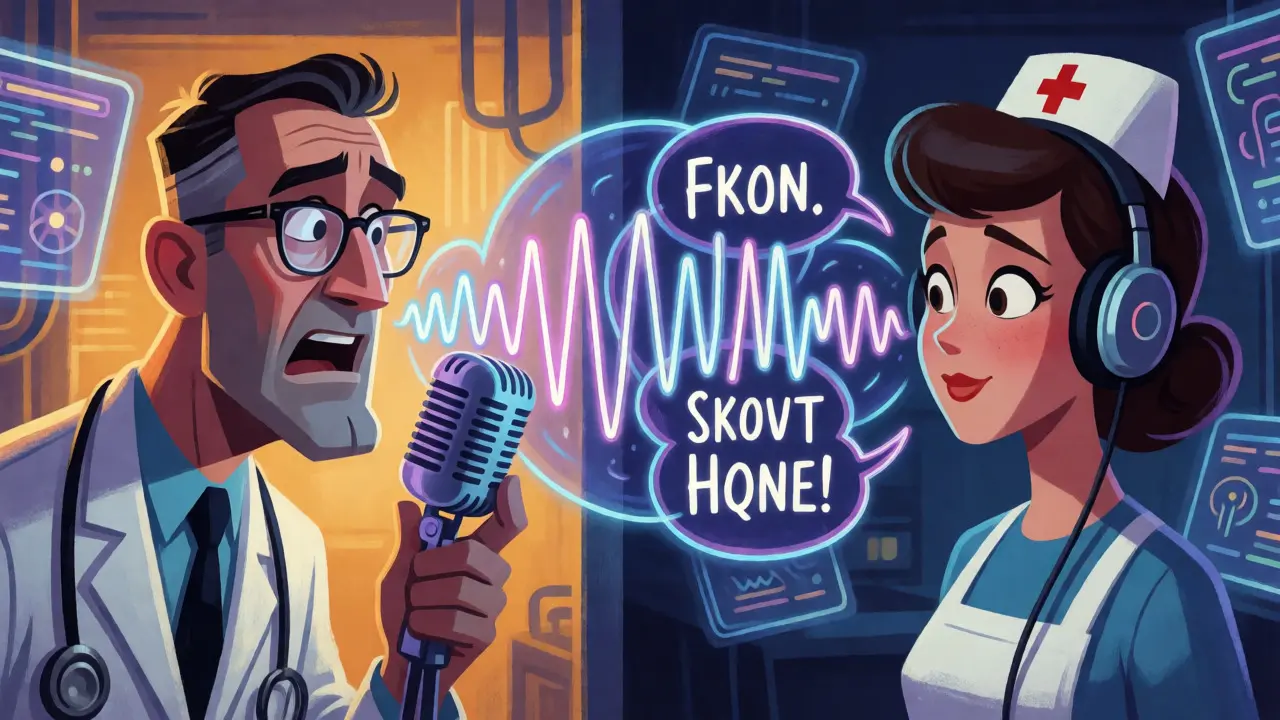
- Phonetic Similarity (Sound-Alike): Names that sound identical when spoken aloud, particularly over the phone or in noisy environments. Albuterol and atenolol are classic examples. One treats asthma; the other treats heart issues. Confusing them during verbal orders can lead to serious consequences.
The Institute for Safe Medication Practices (ISMP) maintains a list of nearly 1,000 LASA name pairs. As more generics enter the market, this list grows. Each new generic adds another layer of visual and auditory noise to the prescribing process.
Where Errors Happen Most
You might think errors occur mostly at the pharmacy counter. In reality, they happen throughout the entire medication journey. Merative analysis shows that 68% of medication errors occur during administration, while 24% happen during prescribing. This means the highest risk period is when the nurse gives the drug or when the doctor writes the order.
| Drug Pair | Type of Error | Potential Consequence |
|---|---|---|
| Prednisone / Prednisolone | Look-Alike | Ineffective treatment if liver function is impaired |
| Hydralazine / Hydroxyzine | Look-Alike & Sound-Alike | Hypotension or sedation instead of intended effect |
| Albuterol / Atenolol | Sound-Alike | Bronchospasm vs. Bradycardia |
| Clonidine / Klonopin | Sound-Alike | Sedation or withdrawal symptoms |
Electronic Health Records (EHRs) were supposed to solve this. Instead, they sometimes make it worse. If two similar drugs appear next to each other in a dropdown menu, a busy clinician might click the wrong one. Without safeguards, technology becomes a vector for error rather than a shield against it.
Proven Strategies to Prevent Mix-Ups
Healthcare systems aren't standing still. Several evidence-based strategies have shown significant success in reducing LASA errors. Here’s what works:
Tall Man Lettering
This involves capitalizing distinctive parts of drug names to highlight differences. For example, writing predniSONE and predniSOLONE forces the reader to pause and notice the difference. A study published in the Journal of Patient Safety showed this method reduced LASA errors by 67% in hospital settings.
Physical Separation
Storing look-alike drugs far apart in the pharmacy reduces the chance of grabbing the wrong box. If hydralazine and hydroxyzine are on opposite shelves, the physical act of reaching for them breaks the autopilot mode that leads to errors.
Barcode Scanning
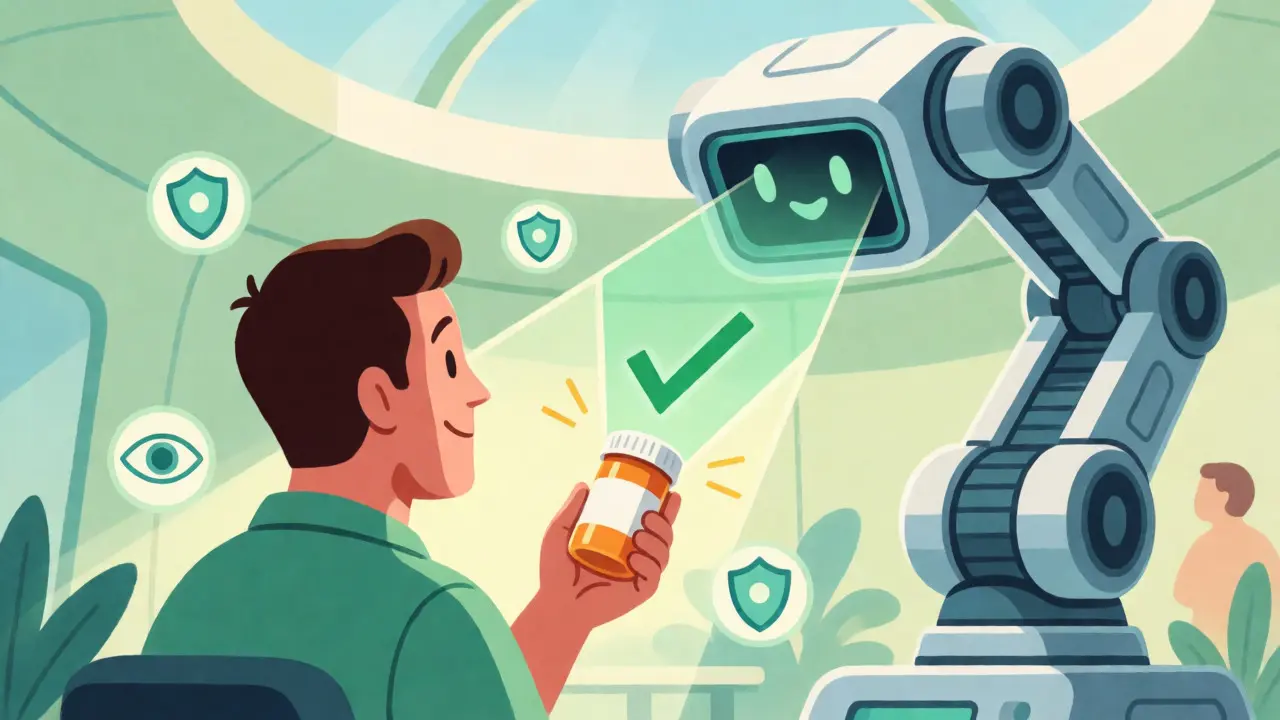
Scanning the medication barcode before administration verifies the drug against the patient’s chart. This simple step catches errors that human eyes miss. Hospitals implementing robust barcode systems report up to 45% reductions in LASA-related incidents.
Verbal Order Protocols
For sound-alike risks, using read-back protocols is essential. When a doctor gives a verbal order, the nurse repeats it back using both the brand and generic name, plus the indication (e.g., "Atenolol for blood pressure"). This confirms intent, not just phonetics.
Your Role in Staying Safe
You don’t need to be a pharmacist to protect yourself. Patients are the last line of defense. Here are practical steps you can take today:
- Ask for Both Names: When picking up prescriptions, ask the pharmacist to show you the medication and state both the generic and brand names. Confirm it matches what your doctor prescribed.
- Check the Appearance: If your generic medication suddenly looks different (different color, shape, or size), ask about it. Manufacturers change, but consistency helps catch errors.
- Clarify Verbal Orders: If your doctor calls in a prescription, ask the pharmacist to call you back to confirm the drug name and dosage. Don’t rely solely on voicemail.
- Keep an Updated List: Maintain a current list of all medications, including supplements. Share this with every provider. Knowing exactly what you’re taking helps spot duplicates or conflicts.
Remember, asking questions isn’t rude-it’s responsible. Pharmacists expect these queries. They know LASA risks are real and appreciate patients who double-check.
The Future of Medication Safety
Technology continues to evolve. AI-powered clinical decision support systems are now flagging potential LASA errors in real-time within EHRs. A recent trial showed these systems reduced errors by 82% with minimal false alarms. Regulatory bodies like the FDA and EMA are also tightening rules on drug naming, rejecting applications that pose high confusion risks.
However, no system is perfect. As long as humans are involved in prescribing and dispensing, vigilance remains key. The goal isn't to blame individuals but to build systems that catch mistakes before they reach the patient. By combining smart tech, clear communication, and patient awareness, we can significantly reduce the burden of LASA errors.
What does LASA stand for?
LASA stands for Look-Alike, Sound-Alike. It refers to medications whose names or appearances are so similar that they can be easily confused during prescribing, dispensing, or administration.
Are generic drugs more likely to cause errors than brand names?
Not necessarily more likely in terms of chemical potency, but they present higher LASA risks. Generics often lack unique branding and may come in packaging that resembles other generics, increasing visual confusion compared to distinctively branded products.
How can I tell if my pharmacy made a mistake?
Always check the label against your prescription instructions. Verify the drug name (generic and brand), strength, and form. If the pills look different than usual or the name seems unfamiliar, ask the pharmacist to explain before leaving.
What is tall man lettering?
Tall man lettering is a safety technique where distinctive letters in drug names are capitalized to emphasize differences between look-alike names, such as DOBUTamine and DOPamine. This visual cue helps prevent selection errors.
Do electronic records prevent all medication errors?
No. While EHRs reduce handwriting errors, they can introduce new ones through dropdown menus where similar drugs appear adjacent. Proper configuration and alert systems are required to mitigate these digital risks.
Neil Sahli
September 3, 2026 AT 22:00Oh fantastic, another reason to distrust the entire medical-industrial complex. But hey, at least we know the solution is just "be super vigilant every single time," which I am definitely capable of doing while half-asleep at 6 AM.
Still, good info on the tall man lettering. That actually seems like something that could work without requiring me to have a PhD in pharmacology.
Pramay Dattani
September 5, 2026 AT 11:36In India we deal with this crap everyday and you guys are just now waking up? We have had generic wars for decades. The packaging here is even worse because they copy each other shamelessly. You think US pharmacies are bad? Try buying meds in Mumbai where the labels are blurry and the names are almost identical but made by different shady companies. It is not just about safety it is about profit margins driving these stupid naming conventions. American healthcare system is so bloated and inefficient that they need articles like this to remind them what common sense looks like. Fix your own system first before lecturing the world on medication errors. The WHO stats are global but the implementation is local and frankly poor everywhere except maybe Japan or Germany. Stop blaming nurses and start blaming the corporate greed that makes generics look like clones of each other to save pennies. It is pathetic really how much trust we put in people who can barely spell their own names correctly on a prescription pad. Wake up America, your doctors are overworked and underpaid and your pharmacists are cashiers with degrees. This article is okay but misses the point that money drives everything in healthcare including why drugs look alike. If they wanted to stop errors they would mandate unique colors and shapes per manufacturer but they don't because it costs money. Simple as that. No amount of tall man lettering fixes a broken incentive structure. End rant.
Aurelio Haney
September 6, 2026 AT 07:28The fact that EHRs sometimes make things worse is the ultimate irony of modern medicine 😂. We traded handwriting errors for dropdown menu errors and called it progress. 🙄
Also, relying on patients to be the "last line of defense" is a convenient way for hospitals to shift liability onto the sick person. You're already stressed and confused, now you have to audit the professionals too. Typical. 😒
Shu Chowdhury
September 7, 2026 AT 02:09this is so true especially with chronic conditions
i always check my pills against photos i keep on my phone
it helps catch when the manufacturer changes without telling us
the tall man lettering is a great idea though i wish more places used it consistently
Amy B
September 7, 2026 AT 11:39I love the visual metaphor of "visual noise." It perfectly captures how overwhelming the pharmacy counter can feel when you're already feeling under the weather. 💊✨
The part about verbal orders is crucial. I once had a pharmacist mishear a name because of background noise, and thank goodness I asked for the brand name confirmation. It’s such a small step but saves so much panic later!
Rebecca Makayla Crane
September 7, 2026 AT 14:54It’s genuinely fascinating how we’ve allowed basic cognitive biases to dictate pharmaceutical design. 🧠
We spend billions on R&D but skimp on the most basic human factors engineering in labeling? It feels incredibly lazy, honestly. Like, if a toddler can distinguish between two boxes based on color, surely our regulatory bodies can enforce distinct packaging standards? 🤷♀️
The reliance on patient vigilance is also a bit elitist, isn’t it? Not everyone has the health literacy or the executive function to double-check every single interaction, especially elderly folks or those with cognitive impairments. We’re essentially outsourcing safety to the consumer, which is a classic neoliberal move. 📉
But yeah, the AI stuff sounds promising, assuming it doesn’t just create alert fatigue. 🤖
Falgun R Patel
September 7, 2026 AT 14:58This brings to mind the ancient principle of clarity in communication. When we obscure meaning through similarity, we invite chaos.
Perhaps the issue isn't just technical but philosophical: we have prioritized efficiency (generic production) over individuality (distinct branding), and in doing so, we have lost the unique identity of each remedy.
To protect ourselves, we must become mindful observers rather than passive recipients. It is a practice of presence. 🌿
Jim Bisesi
September 9, 2026 AT 06:22Whatever. Just give me the pill and let me go home. Why do I need to learn a new language just to get my blood pressure meds? Exhausting.
Mary Tait
September 10, 2026 AT 06:36While the points about generic confusion are valid, the assertion that "brand names are distinct by design" ignores the historical reality of proprietary eponyms becoming generic terms themselves. Furthermore, the claim that LASA accounts for 25% of all errors requires scrutiny regarding the methodology of the cited WHO data, as reporting bias varies significantly across healthcare systems. The focus on patient responsibility is well-intentioned but risks absolving systemic failures in prescribing software configuration. True safety requires structural redundancy, not just individual vigilance.