Male Hypogonadism: Understanding Low Testosterone Symptoms and Treatment Options
 Apr, 30 2026
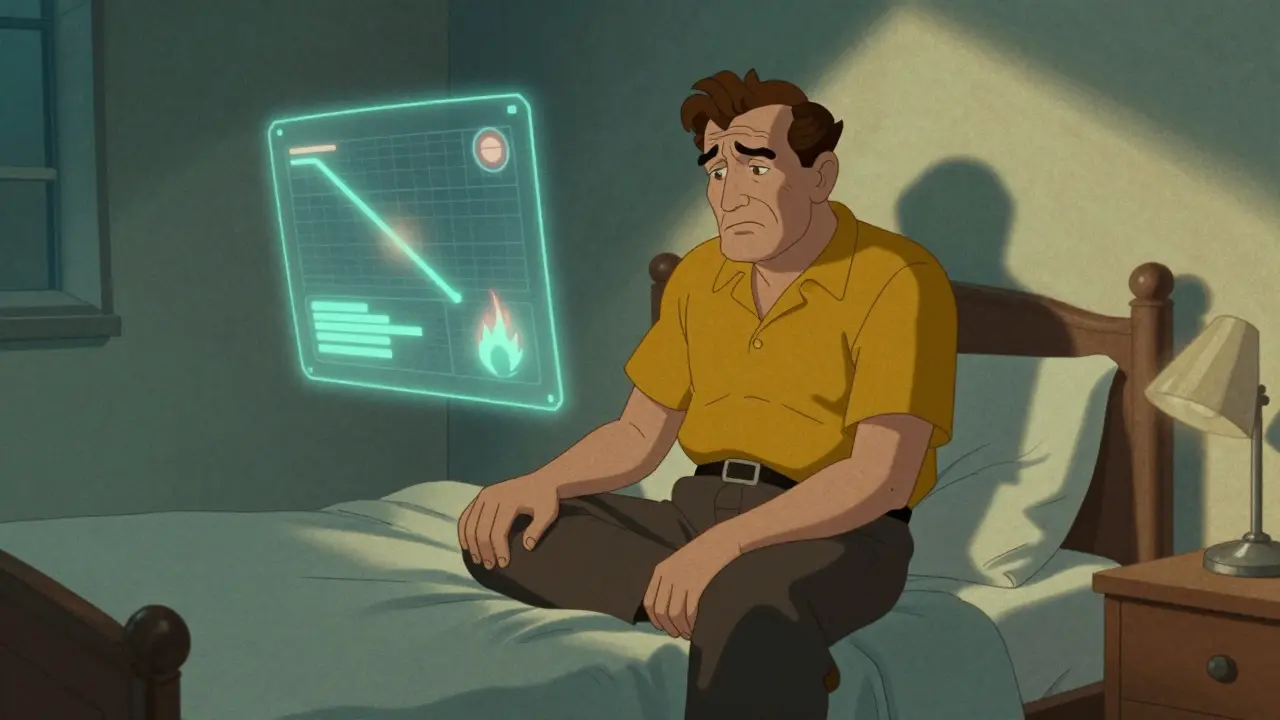
Waking up feeling exhausted despite a full night's sleep, noticing a disappearing drive in the bedroom, or watching your muscle mass vanish while your waistline grows-these aren't always just signs of "getting older." For millions of men, these are the red flags of male hypogonadism is a medical condition where the body doesn't produce enough testosterone, either due to a problem with the testes or the pituitary gland. It's not just about libido; it's a systemic endocrine failure that can weaken your bones and strain your heart if left unchecked.
The Quick Rundown: Key Takeaways
- What it is: A deficiency in testosterone production affecting roughly 4-5 million men in the US.
- The Two Types: Primary (testicular failure) and Secondary (brain/pituitary failure).
- Main Red Flags: Low libido, loss of morning erections, decreased muscle mass, and fatigue.
- Gold Standard Diagnosis: Two separate early-morning blood tests (before 11 AM) showing levels below 300 ng/dL.
- Treatment: Testosterone Replacement Therapy (TRT) via gels, injections, pellets, or new oral options.
Is it Actually Low T? Recognizing the Symptoms
Testosterone doesn't just control one thing; it's a master hormone. When levels drop, the effects ripple across your entire body. The most tell-tale signs often start in the bedroom. About 85% of men with this condition report a significant drop in libido, and nearly 80% notice fewer spontaneous erections. If you've stopped experiencing nocturnal penile tumescence (morning wood), it's a strong physiological indicator that something is off.
But look beyond sexual health. Have you noticed your gym progress stalling or your muscles feeling softer? A 20-30% drop in lean muscle mass is common. Simultaneously, many men see a 10-15% increase in body fat, often concentrating around the belly. You might also feel a strange, lingering fatigue or a "brain fog" that caffeine can't fix. In more severe, long-term cases, your bone mineral density can drop by 2-3% every year, leading to osteoporosis in about a third of untreated men.
Primary vs. Secondary Hypogonadism: Where is the Problem?
Not all low testosterone is created equal. To treat it, doctors first need to figure out if the "factory" is broken or if the "manager" isn't sending the orders.
Primary Hypogonadism (also called hypergonadotropic hypogonadism) happens when the problem is in the testes. The brain is screaming for more testosterone by pumping out high levels of Luteinizing Hormone (LH) and Follicle-Stimulating Hormone (FSH), but the testes can't respond. This is often linked to genetic conditions like Klinefelter syndrome (where a male has an extra X chromosome) or physical trauma like mumps orchitis.
On the other hand, Secondary Hypogonadism (hypogonadotropic) is far more common, making up 85-90% of cases. Here, the testes are fine, but the Pituitary Gland or hypothalamus isn't producing enough LH and FSH to trigger testosterone production. This is frequently driven by lifestyle factors-specifically obesity. A BMI over 30 is strongly linked to lower testosterone levels. Other culprits include chronic opioid use or pituitary tumors.
| Feature | Primary Hypogonadism | Secondary Hypogonadism |
|---|---|---|
| Origin of Problem | Testes (The Factory) | Pituitary/Hypothalamus (The Manager) |
| LH/FSH Levels | High (Elevated) | Low or "Inappropriately Normal" |
| Common Causes | Klinefelter syndrome, Hemochromatosis | Obesity, Opioid use, Pituitary tumors |
| Prevalence | 10-15% of cases | 85-90% of cases |

How Doctors Diagnose the Drop
You can't diagnose low T with a single finger-prick test at a pharmacy. Because testosterone follows a circadian rhythm, it peaks between 8:00 AM and 11:00 AM. If you test in the afternoon, your numbers might look low even if you're healthy. Clinical guidelines require at least two separate early-morning blood draws.
The industry standard for a "low" reading is generally below 300 ng/dL. However, the method of testing matters. Mass spectrometry is the gold standard; older immunoassay methods can have a 15-20% false-positive rate, potentially leading to unnecessary treatment. If your total testosterone is in the "gray zone" (250-350 ng/dL), doctors may check your free testosterone-the active hormone not bound to proteins-to see if you actually need therapy.
Therapy Options: Beyond the Needle
If you're symptomatic and your levels are confirmed low, Testosterone Replacement Therapy (TRT) is the primary tool. The goal isn't to make you a bodybuilder, but to get you back into the optimal range (usually 350-700 ng/dL) to resolve symptoms.
There are several ways to deliver the hormone, and the "best" one depends on your lifestyle:
- Gels: Applied daily to the skin. They offer steady levels but come with a risk: "transdermal transfer." If you touch a partner or child after application, you can accidentally transfer the hormone to them.
- Injections: Usually given every 2-4 weeks. They are cost-effective but can cause "peaks and troughs," where you feel great for a week and then crash just before the next dose.
- Pellets: Small implants inserted under the skin every 3-6 months. They provide the most stable levels but require a minor surgical procedure.
- Oral Capsules: New options like Jatenzo allow for oral absorption (up to 95% bioavailability) when taken with high-fat meals, removing the need for needles or gels.
The Risks: When TRT is a Bad Idea
TRT isn't a magic anti-aging pill, and for some men, it's actually dangerous. The FDA has issued black box warnings regarding cardiovascular risks, especially for men over 65. If you have severe untreated heart failure or a hematocrit level above 50% (meaning your blood is too thick, a condition called erythrocytosis), TRT can increase your risk of a heart attack or stroke.
Men with prostate cancer should also avoid TRT, as testosterone can potentially fuel the growth of certain prostate tumors. There's also the "shutdown" effect: when you provide synthetic testosterone, your brain stops telling your testes to make their own, which often leads to testicular atrophy (shrinking) over time.
Can You Fix Low T Without Drugs?
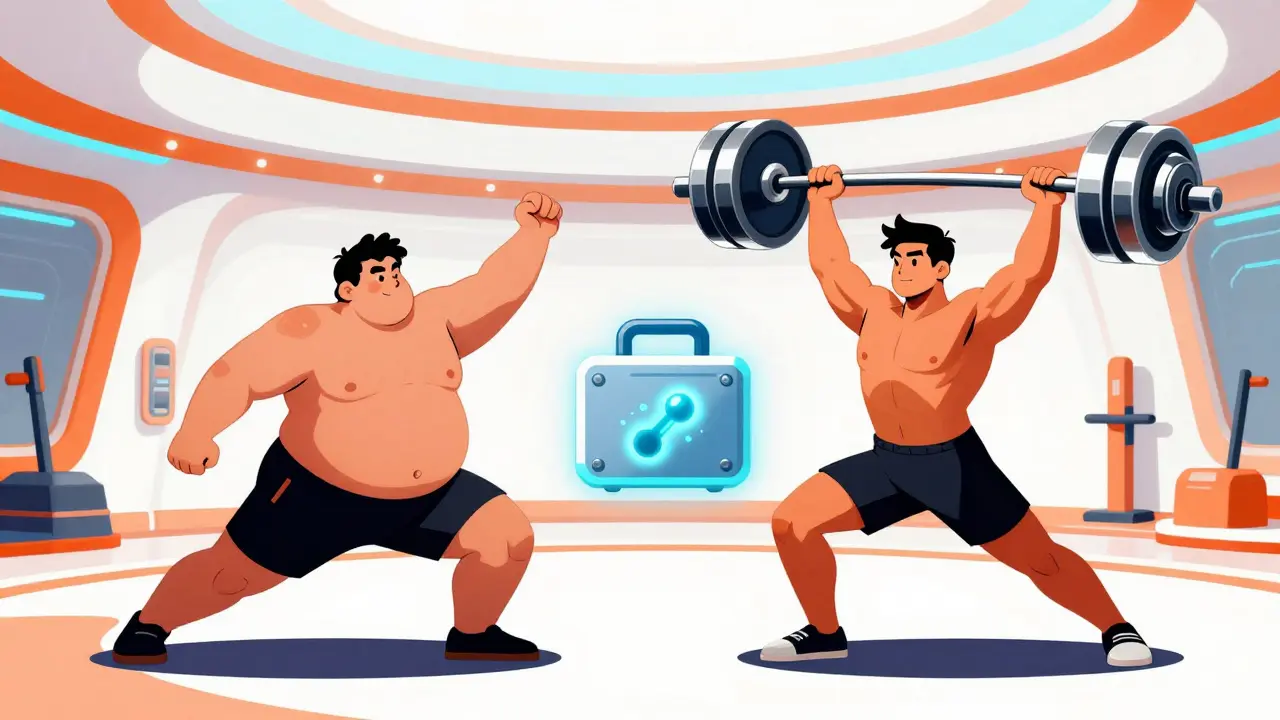
For men whose hypogonadism is driven by obesity, the answer is often yes. There is a direct link between BMI and testosterone; every 1-unit increase in BMI is associated with a 2% drop in T. Interestingly, losing just 10% of your body weight can improve testosterone levels by 30-40% in some men. Combining weight loss with resistance training (lifting weights) is the most effective natural way to boost levels.
In fact, data shows that a huge portion of men who lose weight and hit the gym can actually stop TRT within 18 months because their bodies start producing hormone naturally again. This isn't an option for those with genetic causes like Klinefelter syndrome, but for the "lifestyle-induced" group, it's the first line of defense.
How long does it take for TRT to work?
Most men notice an improvement in energy and mood within the first 2 weeks. Sexual function and libido typically take longer to recover, often requiring 4 to 6 weeks of consistent therapy to see a significant return of morning erections and desire.
Does TRT cause infertility?
Yes, it can. Because TRT suppresses the signal from the pituitary gland, it often shuts down sperm production. If you are planning to have children, you should discuss alternatives like HCG (Human Chorionic Gonadotropin) with your doctor, which can help maintain sperm production while raising testosterone.
What are the most common side effects?
The most frequent side effects include acne outbreaks, fluid retention, and an increase in red blood cell count (polycythemia), which may require blood donations (phlebotomy) to thin the blood. Some men also experience sleep apnea or mood swings.
Can I just take supplements instead of prescription TRT?
Over-the-counter "testosterone boosters" are generally not effective for treating clinical hypogonadism. While some vitamins (like Zinc or Vitamin D) can support natural production if you are deficient, they cannot replace the hormone levels required to treat a diagnosed medical deficiency.
Why do I need to test my blood in the morning?
Testosterone follows a circadian rhythm and is highest in the early morning hours. Testing in the afternoon would likely yield a falsely low result, which could lead to an incorrect diagnosis of hypogonadism.
Next Steps and Troubleshooting
If you suspect you have low testosterone, don't start with a supplement; start with a blood test. Schedule an appointment with an endocrinologist or urologist and specifically request a morning draw before 11 AM. If your results are borderline, ask for a "free testosterone" test to get a clearer picture.
For those already on TRT who aren't feeling the benefits: remember that testosterone is rarely the only factor. If your levels are normal but you're still tired or lacking libido, the cause might be psychological, related to sleep apnea, or a different hormonal imbalance. Don't just increase the dose; talk to your doctor about a comprehensive health screening.
Bradley Gusick
April 30, 2026 AT 17:31The whole medical industrial complex just wants you on a needle for life... it is a systemic plot to weaken the American man and make us dependent on big pharma chemicals!!! Wake up and look at the real patterns here!!!
Sarah Mifsud
May 2, 2026 AT 10:02Actually, weight loss is a game changer for this. I've seen so many clients get their levels back up just by fixing their diet and hitting the weights... its amazing how much the body can recover on its own if you just give it a chance!!
Robert Cowley
May 3, 2026 AT 01:58Imagine thinking a little gym session fixes a pituitary failure lol. some of you are living in a fantasy world 🙄
Rebekah Korak
May 3, 2026 AT 06:49The spiritual decay of the modern masculine energy is exactly why we see these endocrine crashes, because we've traded the raw essence of existence for a cubicle and a soy latte, and now people think a gel on the skin is the solution to a soul-deep void that can only be filled by reconnecting with the primal earth and understanding that hormones are just messengers for a deeper cosmic misalignment that no doctor in a white coat could possibly comprehend with their limited textbooks and narrow-minded metrics of success.
Lando Neal
May 4, 2026 AT 05:05Really interesting stuff... I had no idea about the morning blood draw thing... makes so much sense why the timing matters!
Srinivas Komakula
May 4, 2026 AT 12:30The correlation between synthetic exogenous hormones and the suppression of the hypothalamic-pituitary-gonadal axis is a textbook manifestation of systemic endocrine sabotage!!! This is clearly a mechanism for population control via infertility!!!
Prudence Wesson
May 6, 2026 AT 00:36The lack of disipline in modern men is simply appalling... it is a travesty that such basic biological maintenance is now considered a medical mystery... simply pathetic!!!
SWATI NAWANGE
May 7, 2026 AT 23:48It is frankly exhausting to read these simplistic interpretations of endocrinology. One must appreciate the nuance of the pituitary-gonadal feedback loop, a concept that seems to escape the masses who believe a simple gym membership is a cure for clinical hypogonadism. The sheer audacity of suggesting lifestyle changes for primary testicular failure is laughable.
Divya Patel
May 9, 2026 AT 01:22The balance of the body is a reflection of the balance of the mind... perhaps we should look at the stress of our urban existence before rushing to replace what the soul has surrendered... truly a reflection of our fragmented era!!!
nikki paurillo
May 10, 2026 AT 02:02It's like a slow fade of the internal fire, a quiet extinguishing of the spark that makes a man feel electric in his own skin... such a vivid description of the fog that settles in when the chemistry goes sideways.
Preety Singh
May 12, 2026 AT 00:12The prose is adequate but the obsession with the 'gym' as a panacea is quite pedestrian. Clinical deficiency requires clinical intervention. Period.
Seema Karanje
May 12, 2026 AT 03:40STOP MAKING EXCUSES!! GET OFF THE COUCH AND LIFT SOME WEIGHTS!! YOU DON'T NEED A NEEDLE YOU NEED DISCIPLINE!!
Christina Lancey
May 13, 2026 AT 20:17Everyone's journey is different, and it's okay to seek help when lifestyle changes aren't enough.
J. Walter Jenkem
May 14, 2026 AT 23:39I agree with Sarah. Sometimes the biology just needs a little support to get back on track.
Halle Dagley
May 16, 2026 AT 03:58The American medical system is the only one capable of providng such precise diagnostic standards for our citizens... truly superior care!! Only a few typos in the data here but the fact remains!!