Huntington’s Disease: Understanding Genetics, Chorea, and Essential Care Planning
 Dec, 2 2025
When someone is diagnosed with Huntington’s disease, it’s not just a medical label-it’s a life-altering event that reshapes everything: how you move, think, feel, and how your family plans for the future. Unlike many illnesses that come and go, Huntington’s is a relentless, inherited brain disorder with no cure. But understanding its genetics, recognizing the telltale chorea, and starting care planning early can make a real difference in how you live with it.
How Huntington’s Disease Is Passed Down
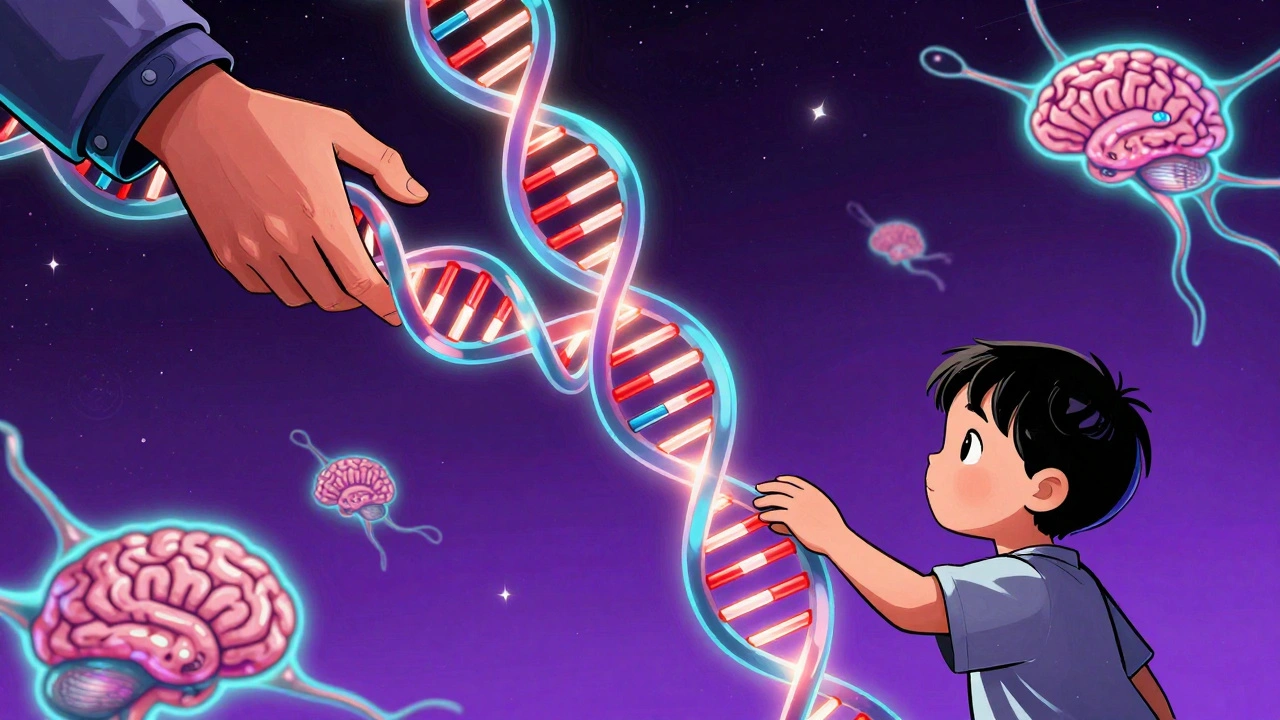
Huntington’s disease doesn’t appear out of nowhere. It’s inherited. If one of your parents has it, you have a 50% chance of getting the mutated gene. It doesn’t matter if you’re male or female-every child gets the same odds. This is called autosomal dominant inheritance, and it’s why the disease shows up in every generation of some families. The problem lies in a single gene on chromosome 4, called HTT. In healthy people, this gene has a repeating sequence of three DNA letters-CAG-about 10 to 26 times. But in Huntington’s, that sequence balloons. If you have 40 or more repeats, you will develop the disease. Between 36 and 39 repeats, it’s uncertain-you might or might not get symptoms. And 27 to 35 repeats? You won’t develop HD yourself, but your kids could inherit a longer version and be at risk. What’s even more unsettling is how the gene changes when passed down. If the mutation comes from the father, it often grows longer-sometimes by 5 to 10 extra CAG repeats. That’s why 85 to 90% of childhood cases of Huntington’s come from dads. This is called genetic anticipation. A grandfather might have had symptoms in his 50s, his son in his 30s, and his grandchild before age 10. The more repeats, the earlier the onset. A person with 50 repeats might start showing signs in their teens, while someone with 70 might be affected before age 5.Chorea: The Uncontrollable Dance
Chorea is the most recognizable sign of Huntington’s. The word comes from the Greek for “dance,” and it’s not metaphorical. People with chorea have sudden, jerky, unpredictable movements that seem to come out of nowhere. A hand might twitch while holding a cup. A foot might kick out while walking. Facial grimaces, head nods, or shoulder shrugs happen without warning. These movements aren’t rhythmic-they flow from one part of the body to another, like a ripple. It’s not just annoying-it’s exhausting. Chorea makes it hard to hold a spoon, tie shoes, or even sit still. And it gets worse when you’re stressed or trying to focus. But here’s the strange part: when you sleep, the movements vanish. That’s because chorea is tied to brain circuits that control voluntary movement. The striatum, a deep brain region that helps coordinate motion, is slowly destroyed by toxic clumps of mutant huntingtin protein. As those neurons die, the brain loses its ability to suppress unwanted movements. Doctors measure chorea using the Unified Huntington’s Disease Rating Scale (UHDRS). A score of 1 means mild, occasional movements. A score of 4 means constant, severe jerking that interferes with every activity. In early stages, chorea might only show up in the fingers or toes. By the time someone is 10 to 15 years into the disease, it spreads to the whole body. Then, something unexpected happens: the chorea often lessens. Why? Because the brain has lost so many neurons that it can’t generate the movements anymore. What replaces it is stiffness, slowness, and muscle rigidity-another form of motor breakdown. The only FDA-approved drugs specifically for chorea are tetrabenazine and deutetrabenazine (Austedo). Tetrabenazine can reduce chorea by about 25% on average. But it comes with risks-22% of people develop depression, and 18% feel so tired they can’t function. Valbenazine (Ingrezza), approved in 2023, offers a similar level of control with fewer mood side effects. Still, these drugs don’t stop the disease. They just make the symptoms a little more manageable.Why Care Planning Isn’t Optional
Most people think of medical treatment as pills and doctor visits. But for Huntington’s, care planning is the most powerful tool you have. It’s not about waiting for things to get worse-it’s about getting ahead of them. The first step? Genetic counseling. If you have a family history, you can get tested before symptoms start. But 72% of at-risk people delay testing because they’re afraid of what they’ll find. Counseling helps them understand the emotional, financial, and family implications before they get results. Within six months of diagnosis, you should have a formal care plan. This isn’t a one-time document-it’s a living roadmap. It includes:- Legal documents: living wills, healthcare proxies, power of attorney
- Work plans: when to stop working, how to apply for disability
- Home safety: ramps, grab bars, fall-proofing
- Therapy schedules: physical, occupational, and speech therapy
- Financial protection: insurance, Medicaid planning, out-of-pocket cost estimates

What Care Looks Like at Each Stage
Early stage (0-5 years after diagnosis): You’re still working, driving, managing your own care. This is when you need to get legal and financial documents in order. Start physical therapy to maintain strength and balance. Join a support group. Talk openly with family about your wishes. Mid stage (5-15 years): Mobility declines. Falls become common. Speech gets harder. You’ll need occupational therapy to adapt your home. A speech therapist can teach you communication tools-like picture boards or speech-generating apps. Nutrition becomes critical. Swallowing problems mean pureed food and thickened liquids. Many people need a feeding tube by this stage. Late stage (15+ years): You’re no longer able to walk, talk, or feed yourself. Full-time care is required. Most people move to nursing homes or specialized HD facilities. The focus shifts from function to comfort. Pain management, skin care, and preventing infections take priority. Even now, emotional support matters. Many patients remain aware of their surroundings, even if they can’t respond.The Hidden Costs and Barriers
Huntington’s doesn’t just drain your body-it drains your finances. The average U.S. patient spends over $5,000 a year out of pocket on therapies, equipment, and home modifications that insurance won’t cover. Aquatic therapy helps with balance 35% better than land-based therapy, but few clinics offer it. And even if they do, it’s often not reimbursed. Caregivers are the invisible backbone of HD care. A 2022 survey found that 87% of caregivers say coordinating appointments across multiple specialists is the hardest part. Many spend 15 or more hours a week just managing care. And they’re exhausted-physically, emotionally, financially. There’s also a geographic divide. People in rural areas wait an average of 22.7 months to get into a specialty clinic. Urban patients wait 14.3 months. That delay means missed chances to prevent complications, start therapies early, or plan for the future.
What’s on the Horizon
There’s hope, but not yet a cure. Clinical trials are testing drugs that target the root cause: the mutant huntingtin protein. Wave Life Sciences’ SELECT-HD trial showed a 38% reduction in the toxic protein after 135 weeks. Roche’s tominersen, though paused and restarted, is still being studied. These aren’t magic bullets-they’re steps toward slowing the disease. But even if a gene therapy works tomorrow, it won’t help the 40,000 Americans already living with symptoms. That’s why experts say: care planning isn’t secondary to treatment. It’s the foundation. As Dr. Rachel Andre at Johns Hopkins put it, “Even with successful gene therapies, comprehensive care planning will remain critical for the 40,000+ Americans currently living with HD symptoms.”What You Can Do Now
If you or a loved one has been diagnosed:- Find a Huntington’s Disease Center of Excellence near you. The HDSA website lists all 53 certified clinics.
- Meet with a genetic counselor-even if you’ve been diagnosed, they can help your family understand risks.
- Complete your advance directives. Don’t wait until you’re too sick to speak.
- Start therapy now. Physical, occupational, and speech therapy can delay decline.
- Connect with others. HDSA’s community forum and Reddit’s r/huntington group offer real stories, not just facts.
Is Huntington’s disease always inherited?
Yes, Huntington’s disease is always inherited through a mutated gene. A person cannot develop it without getting the faulty HTT gene from a parent. In extremely rare cases, a new mutation can occur spontaneously, but this happens in less than 1% of cases. If you don’t have the gene, you can’t pass it on.
Can you get tested for Huntington’s before symptoms appear?
Yes, a genetic test can detect the CAG repeat expansion in the HTT gene before any symptoms show. But it’s a deeply personal decision. Many people choose not to be tested because there’s no cure, and knowing can bring emotional burden. Genetic counseling is required before testing to help people understand the consequences for themselves and their families.
Does chorea ever go away on its own?
Chorea doesn’t disappear completely, but it often lessens in the late stages of Huntington’s. This isn’t because the disease is improving-it’s because the brain has lost too many neurons to generate the movements. At this point, stiffness, slowness, and muscle rigidity become the main problems. Medications can reduce chorea early on, but they don’t stop the underlying brain damage.
How long do people live after being diagnosed with Huntington’s?
On average, people live 15 to 20 years after symptoms begin. Juvenile-onset cases, which start before age 20, progress faster and often lead to death within 10 years. The most common causes of death are pneumonia (from swallowing problems), heart failure, and suicide. Comprehensive care planning can extend life by up to 2.3 years by reducing complications like aspiration and depression.
Is there any way to prevent Huntington’s disease in future generations?
Yes, through preimplantation genetic diagnosis (PGD). Couples at risk can use IVF to create embryos, test them for the Huntington’s gene, and only implant those without the mutation. This prevents passing the disease to children. It’s expensive and emotionally complex, but it’s the only way to ensure a child won’t inherit the gene. Prenatal testing is also available, though it raises ethical questions about termination.
Why do some people with Huntington’s live longer than others?
The number of CAG repeats plays a big role-more repeats usually mean earlier onset and faster decline. But care quality matters just as much. People who receive coordinated, multidisciplinary care from Huntington’s specialty clinics live longer and have fewer hospital stays. Access to physical therapy, mental health support, and nutritional guidance significantly impacts survival. Geography and income also play roles-those in rural areas or with limited finances often face delays in care, which worsens outcomes.
If you’re caring for someone with Huntington’s, remember: you’re not alone. Support groups, financial aid programs, and care coordinators exist. The disease may be relentless, but your ability to plan, adapt, and connect can change the course of every day.
Ignacio Pacheco
December 3, 2025 AT 15:04So let me get this straight-we’ve got a genetic time bomb that skips no generations, no cure in sight, and the best we can do is tweak the twitching with drugs that make you depressed? Cool. Real cool. At least the chorea fades when you’re asleep. Guess that’s when the brain finally gets a break from the nightmare.
Myson Jones
December 4, 2025 AT 20:49It’s important to recognize that early care planning isn’t just a suggestion-it’s a critical component of managing this condition with dignity. Families who engage with multidisciplinary teams early often report improved quality of life, reduced emergency visits, and greater emotional preparedness. Even small steps like completing advance directives can alleviate immense stress later on.
parth pandya
December 5, 2025 AT 18:42good post man! i didnt know about the cag repeat thing from dad side being worse. i read somewhere that in india we dont have much data on hd but its there. my uncle had it and he was misdiagnosed for 3 years. pls get tested if u have family history. its not just about you its about kids too.
sagar bhute
December 6, 2025 AT 13:18Of course the article glorifies 'care planning' like it's some noble act. Meanwhile, the average family is drowning in debt, watching their loved one deteriorate while insurance denies coverage for aquatic therapy because it's 'experimental.' This isn't medicine-it's capitalism with a side of pity.
Cindy Lopez
December 6, 2025 AT 16:02Chorea doesn’t go away-it just stops because the brain runs out of neurons to make it happen. That’s not improvement. That’s exhaustion.
James Kerr
December 7, 2025 AT 17:33Big hugs to everyone going through this. Seriously. You’re not alone. I’ve seen friends with HD and the one thing that helped most was just having someone sit with them-even if they couldn’t talk back. You still feel seen. 💙
shalini vaishnav
December 9, 2025 AT 05:45How can Americans be so naive? In India, we don’t waste money on expensive gene therapies or speech-generating apps. We rely on family, tradition, and resilience. Your healthcare system is broken. This is what happens when you privatize suffering.
Gene Linetsky
December 9, 2025 AT 10:15Did you know the CAG repeat expansion was engineered? Big Pharma knew about Huntington’s for decades. They let it spread to keep selling drugs like Austedo. The real cure? It’s been suppressed. They don’t want you to live-just to pay for your decline.
Francine Phillips
December 9, 2025 AT 18:59My mom had HD. We didn’t plan anything. We just tried to keep her comfortable. I wish we’d known sooner about the clinics. But we didn’t. And now it’s too late.
Katherine Gianelli
December 11, 2025 AT 04:47There’s something so quiet and sacred about caring for someone who still knows you’re there-even when they can’t say it. I held my dad’s hand for hours while he stared at the ceiling, and I swear he squeezed back once. That was the day I realized love doesn’t need words. It just needs presence.
Joykrishna Banerjee
December 12, 2025 AT 01:02Preimplantation genetic diagnosis? How quaint. In the West, you commodify reproduction like a Tesla model. In India, we understand that suffering is inherited-not just genetically, but spiritually. You cannot outsource morality through IVF. The soul carries the burden.
Rashmin Patel
December 13, 2025 AT 09:26Just wanted to add-my sister-in-law started aquatic therapy after her diagnosis and it changed everything. She could move again, even just a little. The water held her when her body couldn’t. It’s not magic, but it’s close. And if your clinic doesn’t offer it, ask. Push. Fight for it. You deserve to feel weightless even for a moment. And if you’re a caregiver? Please, please take a nap. You matter too. 🌊💙