How to Translate Medication Names and Doses for Foreign Pharmacies: A Safety Guide
 Jun, 1 2026
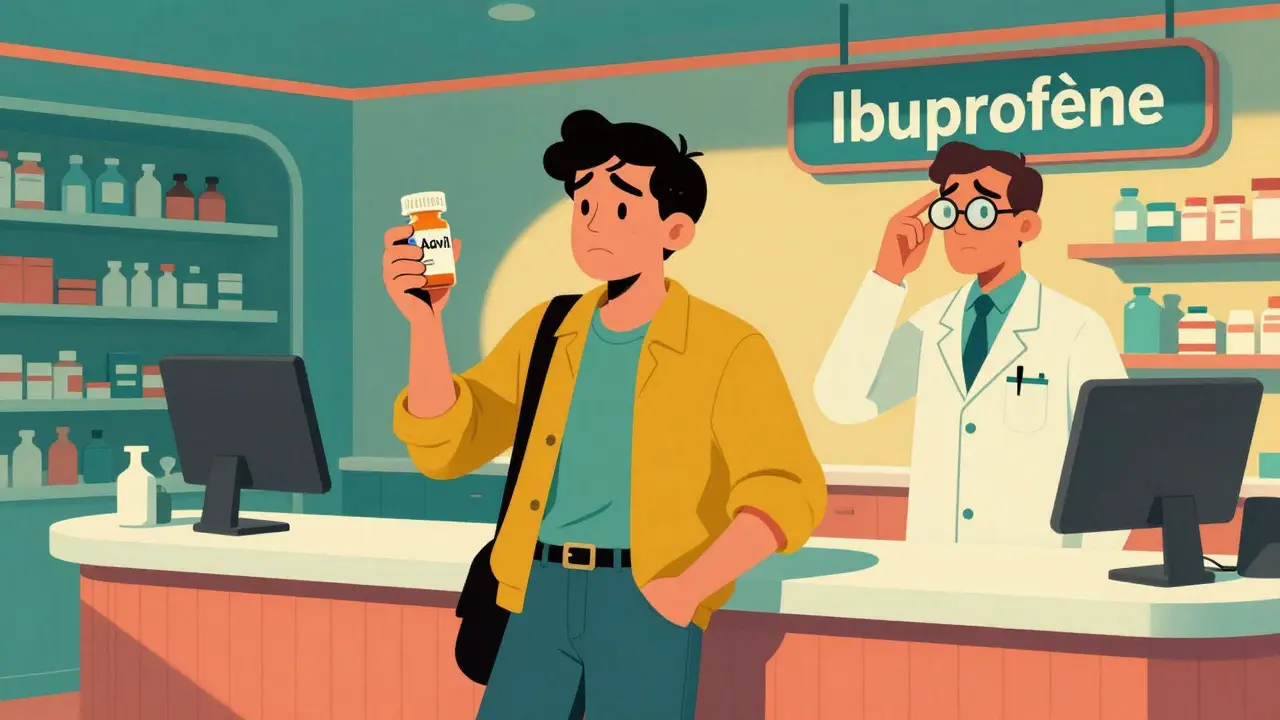
You are standing in a pharmacy in Paris, Tokyo, or Mexico City. You feel unwell, or you have run out of your daily heart medication. You hand the pharmacist your prescription from home. They look at it, shake their head, and say they cannot fill it. Why? Because Advil is not called Advil there. Your blood pressure pill has a completely different name. And the dosage instructions on your bottle might be misinterpreted due to language barriers. This is not just an inconvenience; it is a potential health crisis.
Translating medication names and doses for foreign pharmacies is one of the most critical skills for any traveler with chronic conditions or acute needs. The gap between what you know as your medicine and what a local pharmacist recognizes can lead to dangerous errors. According to data from First Databank, medication non-adherence costs billions annually, largely because patients fail to take medications correctly due to confusion. When you add language barriers into the mix, the risk multiplies.
Why Drug Names Change Across Borders
The first hurdle is understanding that drug names are not universal. There are two types of names you need to know: the generic name and the brand name. The generic name refers to the active ingredient-the chemical that actually treats your condition. The brand name is the marketing label chosen by the pharmaceutical company.
In the United States, you might buy Advil a popular over-the-counter pain reliever containing ibuprofen. In France, that same active ingredient is sold under the generic name Ibuprofène the standard French designation for ibuprofen-based products. In Poland, you might see Abfen a common Polish brand for ibuprofen pain relief. If you walk into a pharmacy in Paris asking for "Advil," the pharmacist may not understand you, or worse, they might assume you want a different product entirely.
This discrepancy is not random. It is driven by trademark laws and local marketing strategies. However, the active ingredient remains the same. The World Health Organization (WHO) established the International Nonproprietary Name (INN) system to standardize these generic names globally. While not every country uses INN strictly, it provides a reliable baseline. For example, whether you are in New York or Nairobi, the generic name "Metformin" for diabetes medication is widely recognized, even if the brand names differ.
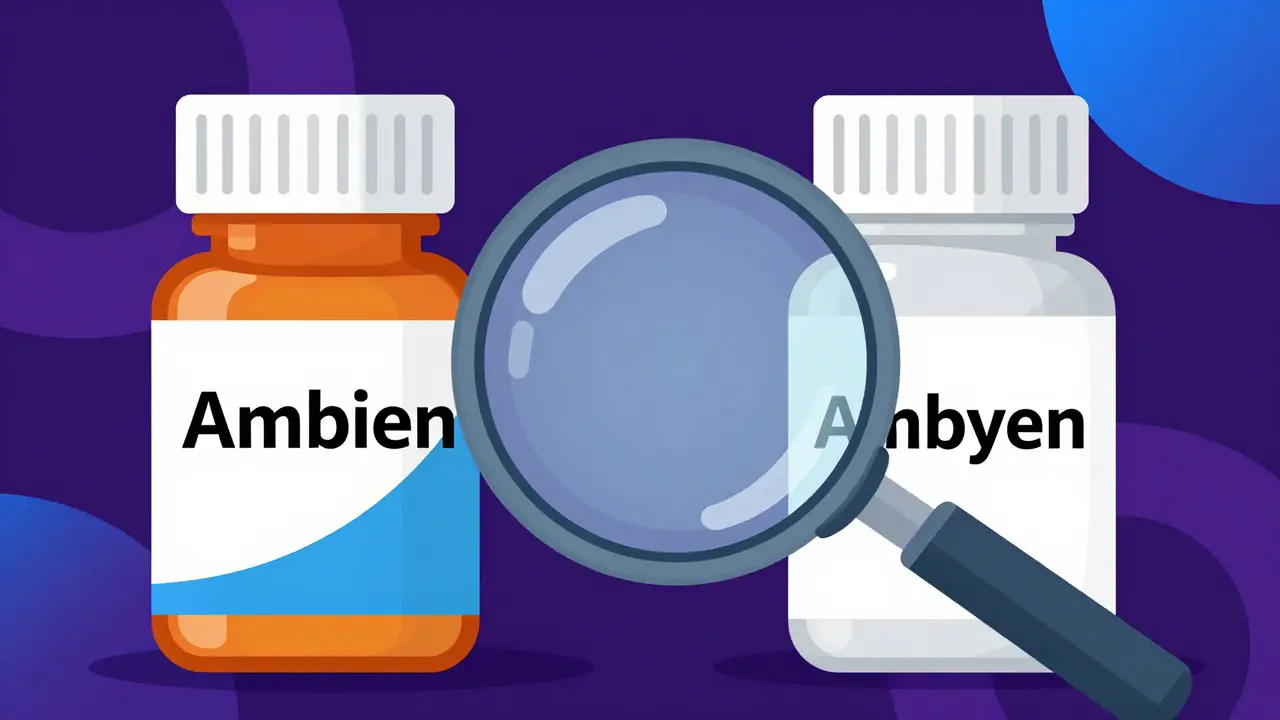
The danger arises when brand names sound similar but treat completely different conditions. Consider the case of Ambien a U.S. brand name for zolpidem, a sleep aid and Ambyen a British medication used for irregular heartbeat. These names look almost identical. Confusing them could lead to severe health consequences, including cardiac events or dangerous sedation. This is why relying on brand names alone is risky.
The Critical Role of Dosage Translation
Getting the right drug is only half the battle. The other half is getting the right dose. Dosage instructions, known in the pharmacy world as SIGs (Signa), are where many travelers stumble. A simple mistranslation of "twice daily" versus "every two hours" can lead to overdose or treatment failure.
Dosage formats also vary by region. In some countries, milligrams (mg) are written as "1000 mg." In others, grams (g) are used more frequently for larger doses. A prescription for "1g" tablets might be misread by a patient who expects "1000mg" as a different strength, leading to confusion about how many pills to take. A Reddit user shared a story where a Spanish prescription for "1g" was misinterpreted, nearly causing an overdose because the patient thought the strength was different than expected.
Professional translation services like RxTran a specialized software solution for translating pharmacy labels and instructions emphasize that accurate translation must include Patient Instructions, Consumer Medication Information (CMI), and Warning Labels. These documents contain nuanced details about how to take the medication, such as "take with food" or "avoid sunlight." Missing these nuances can reduce the drug's effectiveness or increase side effects.
Here is a quick checklist for checking dosage translations:
- Check the unit: Ensure mg, g, mL, or mcg are clearly defined and consistent.
- Verify frequency: Confirm terms like "bid" (twice a day) or "tid" (three times a day) are translated into plain language.
- Look for timing: Does the instruction say "before meals" or "after meals"? This matters for absorption.
- Confirm duration: How long should you take this? Is it "as needed" or "for 7 days"?
Tools and Resources for Safe Translation
You do not need to hire a professional translator for every trip, but you should use reliable tools. General AI translators like Google Translate are convenient, but they lack pharmaceutical precision. As noted by ASAP Translate, AI tools often struggle with complex medical terminology and dosage formats. They might translate "pill" correctly but miss the context of "sublingual" (under the tongue).
Instead, rely on these specific resources:
- Drugs.com International: This website allows you to search for a drug by its generic name and see what it is called in various countries. It is a traveler’s best friend for finding equivalents.
- WHO INN Database: Use this to find the standardized generic name of your medication. Show this name to the foreign pharmacist.
- Your Doctor’s Letter: Before you leave, ask your doctor for a letter on official letterhead. It should list your diagnosis, the generic name of your medication, the dosage, and the frequency. Have this letter translated by a certified service if possible.
- Pharmacy Apps: Some apps allow you to scan a pill and identify it. This can help verify you have the right medication if you lose your packaging.
For pharmacies serving diverse populations, specialized systems are essential. Services like Stepes an ISO 9001 certified medical translation service provider offer comprehensive medical terminology databases. In the U.S., states like New York have mandated that pharmacies provide translated labels for specific languages (Chinese, Italian, Russian, Spanish) under regulations like NY SafeRx. This shows the growing recognition that language access is a safety issue, not just a courtesy.
Practical Steps for Travelers
If you are planning a trip, preparation is key. Do not wait until you are sick to figure out your medication names. Start at least two weeks before departure.
1. Bring Enough Medication: The safest option is to bring enough of your current medication for the entire trip, plus extra for delays. Keep medications in their original containers with English labels. Customs agents are more likely to accept clearly labeled prescription bottles than loose pills in a bag.
2. Know the Generic Name: Write down the generic name of each medication you take. Memorize it if you can. This is the universal key that unlocks equivalent drugs abroad.
3. Get a Prescription Copy: Carry a copy of your current prescriptions. Include the doctor’s contact information. Some countries require a local prescription to dispense certain controlled substances, even if you have a valid prescription from home.
4. Research Local Regulations: Some countries ban certain medications that are legal in the U.S. or Canada. For example, pseudoephedrine (found in cold medicines) is restricted in Japan. Check the embassy website of your destination country for prohibited substances.
5. Visit a Local Pharmacy Early: If you need to refill a prescription, go to a pharmacy early in your trip. Show them your doctor’s letter and the generic name. Ask them to write down the local brand name and dosage instructions in both the local language and English (or your native language).
Comparison of Translation Methods
| Method | Accuracy | Cost | Best For |
|---|---|---|---|
| Google Translate / AI Apps | Low to Moderate | Free | Quick lookups of common words; NOT for prescriptions. |
| Drugs.com International | High | Free | Finding generic equivalents and local brand names. |
| Certified Medical Translator | Very High | $50-$150 per document | Official prescriptions, complex regimens, legal requirements. |
| Pharmacy Software (e.g., RxTran) | High | Enterprise cost | Chain pharmacies needing bulk label translation. |
As Dr. Elena Rodriguez from Johns Hopkins Hospital noted, misinterpreting a single dosage instruction due to poor translation can lead to adverse drug reactions with serious mortality rates. The cost of a certified translation is negligible compared to the cost of hospitalization abroad.
Navigating Cultural and Regulatory Differences
Beyond language, cultural practices affect medication. In some countries, pharmacists have broader authority to prescribe certain treatments without a doctor’s visit. In others, you must see a local physician first. Understanding this dynamic helps you navigate the system efficiently.
Also, be aware of supplement regulations. What is sold as a vitamin in the U.S. might be classified as a drug in Europe, or vice versa. Always declare supplements at customs if required. Transparency prevents legal issues and ensures you get the right advice from local health professionals.
The market for pharmacy language services is growing rapidly, reaching $185 million in the U.S. alone in 2022. This growth reflects a global trend toward better healthcare accessibility. By taking proactive steps to translate your medication names and doses, you join this movement toward safer, more informed healthcare travel.
Can I use Google Translate for my prescription?
No, you should not rely solely on Google Translate for prescriptions. While it can help with basic vocabulary, it lacks the pharmaceutical precision needed for dosage instructions and drug interactions. Misinterpretations can lead to dangerous overdoses or ineffective treatment. Use it only as a last resort for communication, not for medical decisions.
What is the difference between a generic and a brand name?
The generic name is the scientific name of the active ingredient (e.g., Ibuprofen). The brand name is the commercial name given by the manufacturer (e.g., Advil). Generic names are more consistent across countries, making them safer to use when traveling internationally.
Do I need a translated prescription for every country?
Not necessarily, but it is highly recommended. Many countries accept English prescriptions, especially in tourist areas. However, having a translated letter from your doctor significantly speeds up the process and reduces the risk of misunderstanding. Always check the specific entry requirements of your destination country.
How much does professional medication translation cost?
Certified medical translation services typically charge between $50 and $150 per document, depending on complexity and turnaround time. Enterprise solutions for pharmacies can cost thousands annually. For individual travelers, the one-time cost of translating a few key documents is a worthwhile investment in safety.
What should I do if I lose my medication while abroad?
First, locate a local pharmacy. Bring your doctor’s letter and the generic name of the medication. Explain your situation clearly. If the pharmacist cannot help, seek a local doctor who can write a new prescription for an equivalent local medication. Never attempt to self-medicate with unknown substitutes.