How to Prevent Overdose in People with Substance Use Disorders
 Feb, 26 2026
Overdose isn’t just a statistic-it’s someone’s parent, sibling, friend, or neighbor. In 2022, more than 70,000 people in the U.S. died from drug overdoses, mostly from fentanyl-laced drugs. The good news? We know how to stop it. Preventing overdose in people with substance use disorders isn’t about judgment or abstinence-only messaging. It’s about practical, life-saving tools that work in the real world-today.
Know What’s Out There
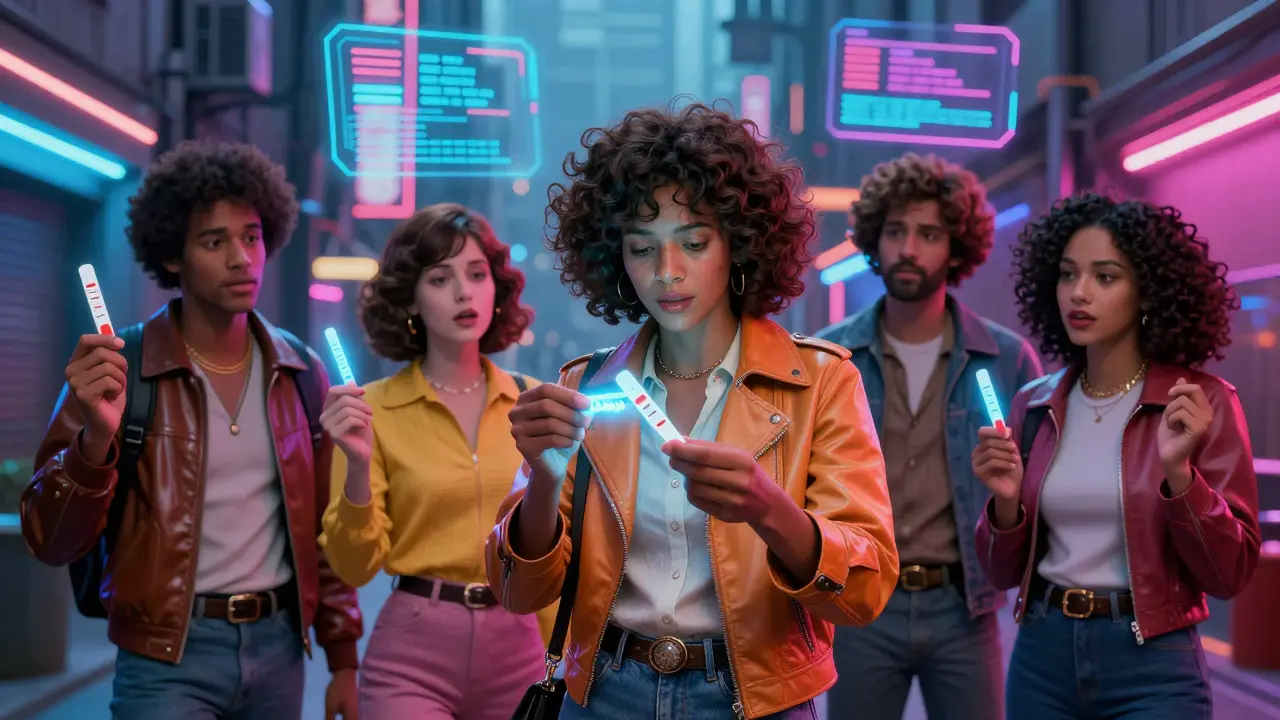
Most overdoses today aren’t from prescription painkillers anymore. They’re from fentanyl, a synthetic opioid 50 to 100 times stronger than morphine. It’s mixed into cocaine, methamphetamine, counterfeit pills, and even heroin. People don’t always know they’re taking it. That’s why testing your drugs is no longer optional-it’s survival.Fentanyl test strips (FTS) cost less than a dollar each. You dissolve a small amount of your drug in water, dip the strip in, and wait a minute. One line means fentanyl is present. Two lines mean it’s not. These strips can detect fentanyl at levels as low as 0.25 nanograms-enough to kill. They work on powders, pills, and injectables. The CDC says using them cuts overdose risk by up to 40% in people who test before using.
Carry Naloxone. Always.
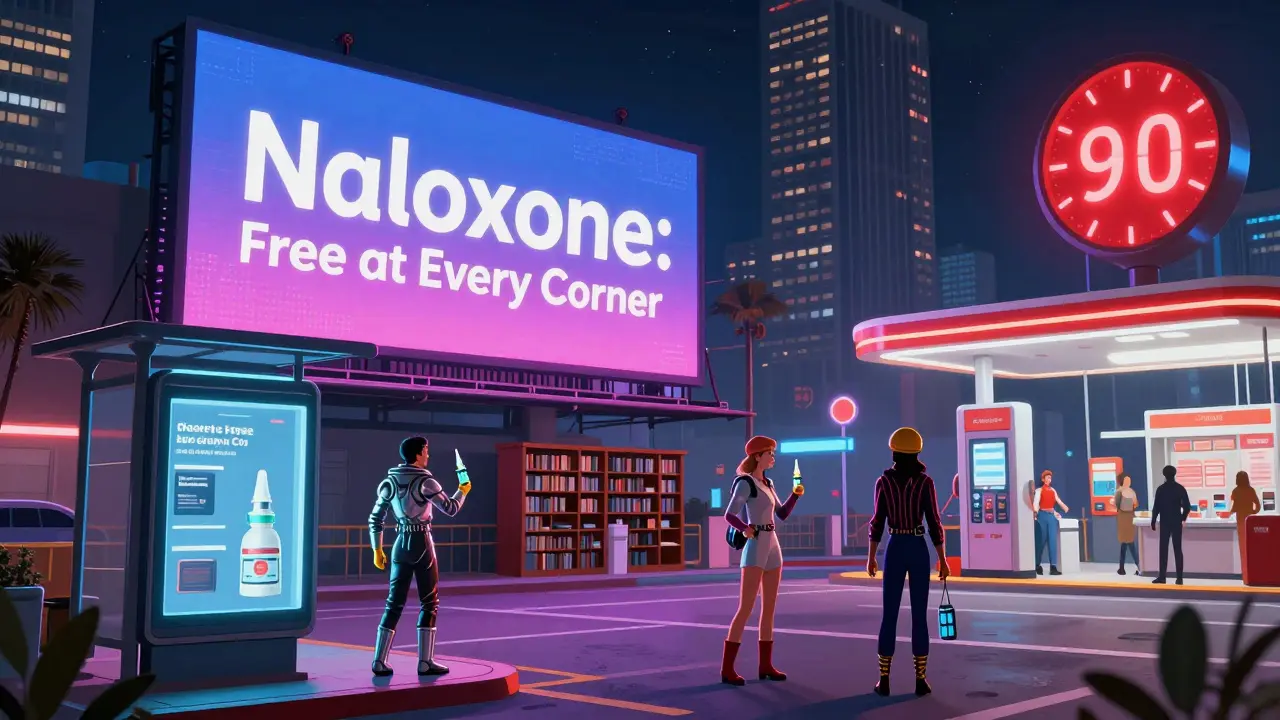
Naloxone (brand names Narcan, Kloxxado) is the only medication that can reverse an opioid overdose. It’s safe, easy to use, and doesn’t get you high. Since March 2023, naloxone has been available over-the-counter at pharmacies without a prescription. You can buy it at CVS, Walgreens, Rite Aid, and even some gas stations.There are two forms: nasal spray and injection. The nasal spray is the most common. You tilt the person’s head back, insert the nozzle into one nostril, and press the plunger. No training is needed. Studies show 96% of people who get a 20-minute demo can use it correctly. Keep one in your bag, your car, your pocket. Have one ready for your friend, your partner, your sibling.
And don’t wait to act. If someone is unresponsive, not breathing, or making gurgling sounds, give naloxone immediately. Call 911 after. Naloxone wears off in 30 to 90 minutes. Opioids can last longer. The person could slip back into overdose. Stay with them until help arrives.
Medication-Assisted Treatment Works
The most effective long-term way to prevent overdose is to treat the substance use disorder itself. Medication-Assisted Treatment (MAT) combines FDA-approved medications with counseling and support. Three drugs are proven:- Methadone: Taken daily at a clinic. Reduces cravings and withdrawal.
- Buprenorphine: Available as a pill or patch. Can be prescribed by many doctors. Less risk of overdose than methadone.
- Naltrexone: A monthly injection or daily pill. Blocks opioids from working. Best for people already detoxed.
People on MAT are 50% less likely to die from an overdose, according to the World Health Organization. But here’s the problem: only 18% of U.S. counties have all three medications available. Rural areas are hit hardest. If you or someone you know needs MAT, ask for it. Call your doctor, your local health department, or SAMHSA’s helpline (1-800-662-4357). You have a right to treatment.
Use With Someone Else
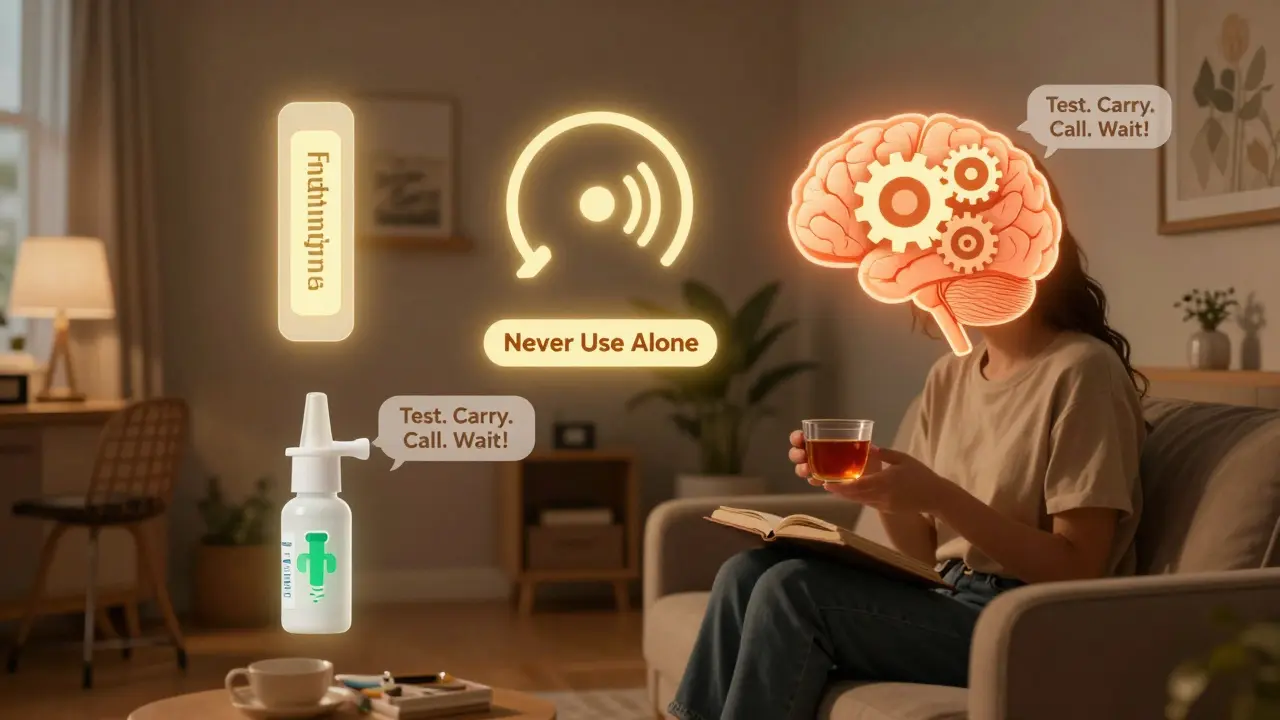
Using alone is one of the biggest risk factors for fatal overdose. If you’re using, don’t do it by yourself. Have someone nearby who knows what to do. If you can’t be with someone in person, use the Never Use Alone hotline. Call 1-800-488-7777 before you use. A live person stays on the line with you. If you stop responding, they call 911 and send help.Some apps now do this too. MyNarcan, for example, lets you set a timer. If you don’t check in, it alerts emergency contacts and shares your location. These tools aren’t perfect-but they’ve saved lives. In 2023, over 12,000 overdoses were prevented through real-time monitoring.
Build a Safety Plan
A safety plan isn’t a lecture. It’s a personalized checklist. What will you do if you feel like using? Who can you call? Where’s your naloxone? What if you use something new? New York State’s free guide, Build a Safety Plan, helps people create one in under 10 minutes.People who use a safety plan have 28% fewer overdoses. Here’s a simple version:
- Test your drugs with a fentanyl strip before using.
- Have naloxone within reach-don’t keep it in the car or another room.
- Use with someone else, or call Never Use Alone.
- Start with a small amount. Don’t use your usual dose if you haven’t used in a while.
- Know your limits. If you’re tired, stressed, or sick, wait.
What About Xylazine?
A new threat is showing up: xylazine, a horse tranquilizer that’s not an opioid. It’s being mixed into fentanyl and cocaine. It causes severe sores, slows breathing, and doesn’t respond to naloxone. The DEA says it was found in 23% of fentanyl powder seized in 2022.There’s no antidote yet. But you can still reduce harm:
- Test for fentanyl first. If it’s positive, assume xylazine might be there too.
- Don’t inject if you can avoid it. Smoking or snorting lowers the risk of tissue damage.
- Check for wounds. If you have sores that won’t heal, get medical help.
What’s Holding Us Back?
Stigma is still the biggest barrier. Many people believe addiction is a moral failure. It’s not. It’s a brain disease. Only 18.4% of people with opioid use disorder get treatment in the U.S. Why? Because clinics are hard to find. Because insurance won’t cover it. Because people are scared to ask.But change is happening. Federal funding for overdose prevention jumped from $100 million in 2016 to $1.5 billion in 2023. States are expanding access to naloxone in jails, shelters, and schools. The CDC now recommends that every community have naloxone in public spaces-libraries, community centers, parks.
And you don’t need permission to save a life. If you’re reading this, you already care. Carry naloxone. Talk about it. Teach your friends. Ask for MAT. Test your drugs. Don’t use alone. These aren’t suggestions. They’re lifelines.
Can naloxone harm someone who didn’t overdose on opioids?
No. Naloxone only works on opioids. If someone didn’t take opioids, naloxone won’t affect them. It’s safe to give even if you’re unsure. Better to give it and have no effect than to wait and lose someone.
Where can I get naloxone for free?
Many harm reduction organizations, clinics, and public health departments give naloxone for free. In Portland, you can pick it up at the Portland Harm Reduction Center, Multnomah County Health Department, or through the DOPE Project. Nationwide, the Harm Reduction Coalition offers a free mail-order program. Just search "free naloxone near me"-there’s likely one in your area.
Is MAT just swapping one drug for another?
No. MAT uses medications that stabilize the brain, reduce cravings, and prevent withdrawal-without the high. It’s like insulin for diabetes or blood pressure medicine for heart disease. Studies show people on MAT are more likely to stay in treatment, hold jobs, and reconnect with family. It’s not about substitution-it’s about recovery.
What if I’m afraid to ask for help because of legal issues?
In most places, seeking help for overdose prevention or MAT is protected. Many states have Good Samaritan laws that shield people from arrest if they call 911 during an overdose. Even if you’ve been arrested before, treatment is not punishment. The CDC and SAMHSA emphasize that access to care must be unconditional. Ask for help anyway. Your life matters more than your past.
How do I talk to someone about using safer practices without sounding judgmental?
Start with care, not correction. Say: "I care about you, and I don’t want to lose you." Then share facts: "I found out about these test strips-they’re free and easy to use." Or: "I got naloxone. Here, take one. You never know." You’re not fixing them. You’re offering tools. That’s enough.
What’s Next?
Preventing overdose isn’t about waiting for someone to hit rock bottom. It’s about giving people the tools to stay alive right now. Carry naloxone. Test your drugs. Use with someone. Ask for treatment. These actions aren’t just smart-they’re radical acts of humanity.If you’re reading this, you’re already part of the solution. Don’t wait for someone else to act. Start today. Keep naloxone in your wallet. Share a fentanyl strip with a friend. Call someone and say: "I’ve got your back."
Angel Wolfe
February 26, 2026 AT 17:17And naloxone? It's just a bandaid. They don't want people to get clean. They want addicts to stay addicted so they can keep funding their programs. I'm done with this lie.
Sophia Rafiq
February 27, 2026 AT 15:55Naloxone too. I carry two. One for me, one for my buddy. Easy to use. No training needed. Just press and go. People act like it's rocket science but it's not. It's literally a spray.
Brandon Vasquez
February 28, 2026 AT 20:08And MAT isn't about replacing drugs. It's about giving the brain time to heal. Like physical therapy. You wouldn't tell someone with a broken leg to just walk it off.
Vikas Meshram
March 1, 2026 AT 15:04Furthermore, the claim that fentanyl test strips reduce overdose risk by 40% is statistically dubious. The CDC does not endorse such claims without peer-reviewed longitudinal studies. I have reviewed the literature. There is none. This is propaganda.
Ben Estella
March 2, 2026 AT 17:41Test strips? Naloxone? MAT? All just tools to keep the machine running. Real solution? Get a job. Get a family. Get off the couch. But that takes guts. And nobody's got guts anymore.
Katherine Farmer
March 4, 2026 AT 16:44And MAT? You're medicating away agency. Methadone clinics are modern-day workhouses. You're not treating addiction-you're institutionalizing dependency. This isn't harm reduction. It's harm management for a society that refuses to confront its decay.
Full Scale Webmaster
March 6, 2026 AT 02:48It took me months to get over the shame. But now I carry two Narcan kits. I teach people how to use them. I tell them: if you're scared, just do it anyway. Because if you wait for certainty, you'll wait forever. And people die while waiting.
I didn't know xylazine was a thing until last month. Now I test everything. I don't use alone anymore. I call Never Use Alone. I tell my friends. I don't preach. I just say: here. Take this. You never know.
I used to think this was about policy. Now I know it's about showing up. One person. One moment. One breath. That's all it takes.
Brandie Bradshaw
March 7, 2026 AT 23:21But prevention isn't a checklist. It's a revolution. It's demanding that every town have buprenorphine. That every jail offer MAT. That every school teach drug literacy. That we stop calling people junkies and start calling them human.
Test strips and Narcan are tools. But tools don't change culture. People do. And we are the people who are changing it. Slowly. Messily. But unforgettably.
Ajay Krishna
March 9, 2026 AT 15:44My uncle passed from an overdose last year. We didn't know about test strips. We didn't know naloxone existed. If we had, maybe he'd still be here.
So I share this. I send it to friends. I print it and leave it in clinics. Not to preach. Just to say: you're not alone. And help is real.