How to Check for Drug Interactions That Increase Overdose Risk
 Apr, 6 2026
The Most Dangerous Combinations to Watch For
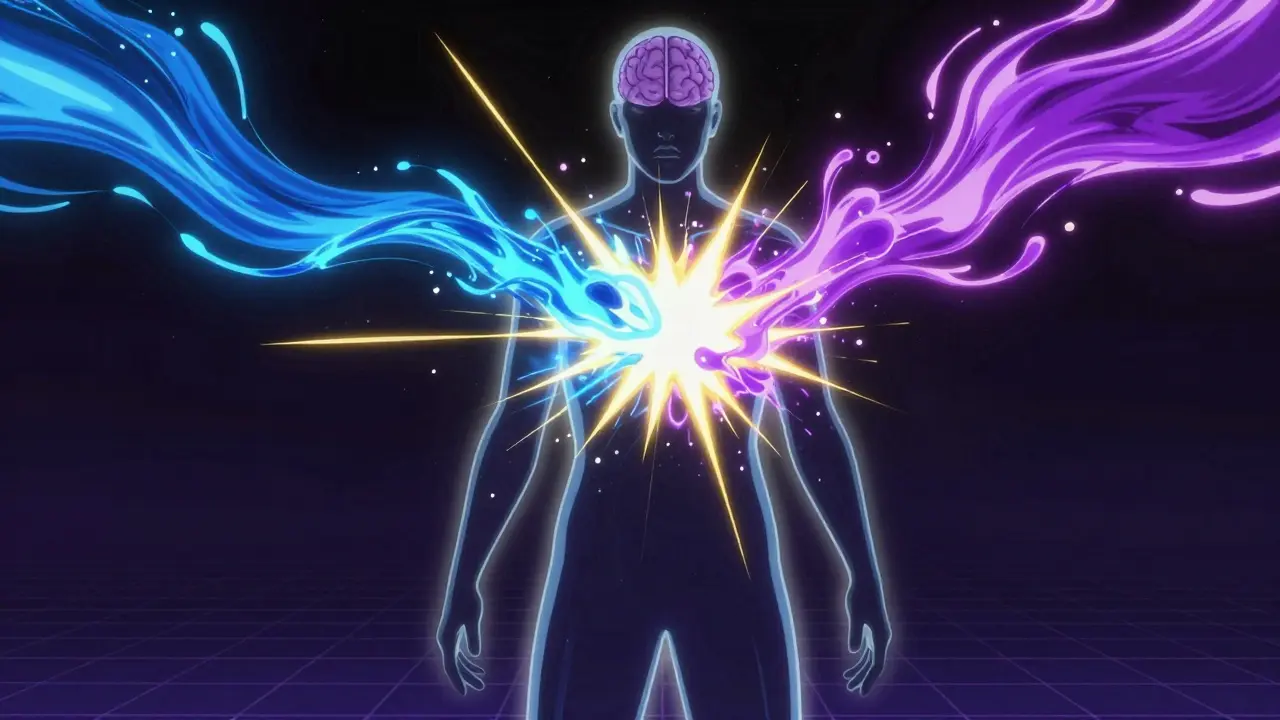
Not all drug mixes are equally risky, but some combinations are notorious for causing respiratory failure. If you are taking a prescription painkiller, you need to be extremely cautious with other "downers."One of the most lethal pairings is opioids combined with Benzodiazepines (like Xanax or Valium). Research shows that this specific combination increases the risk of overdose death by over 10 times compared to using opioids alone. Why? Because both drugs tell your brain to forget to breathe. When they work together, the signal becomes too weak to keep you alive.
Alcohol is another major culprit. Mixing alcohol with opioids can increase the risk of respiratory depression by 67%. Even a few drinks can push a stable dose of medication into the danger zone. This isn't just about "getting too high"; it's about your lungs physically stopping their movement.
| Combination | Primary Risk | Impact on Body |
|---|---|---|
| Opioids + Benzodiazepines | Extreme Respiratory Depression | 10.3x higher mortality risk |
| Opioids + Alcohol | Severe Sedation | 67% increase in breathing failure |
| Cocaine + MDMA (Molly) | Cardiac Toxicity | 200% increase in toxicity levels |
| Opioids + Sleep Meds | Deep Coma / Unresponsiveness | Slowed heart rate and shallow breath |
How to Use Digital Interaction Checkers
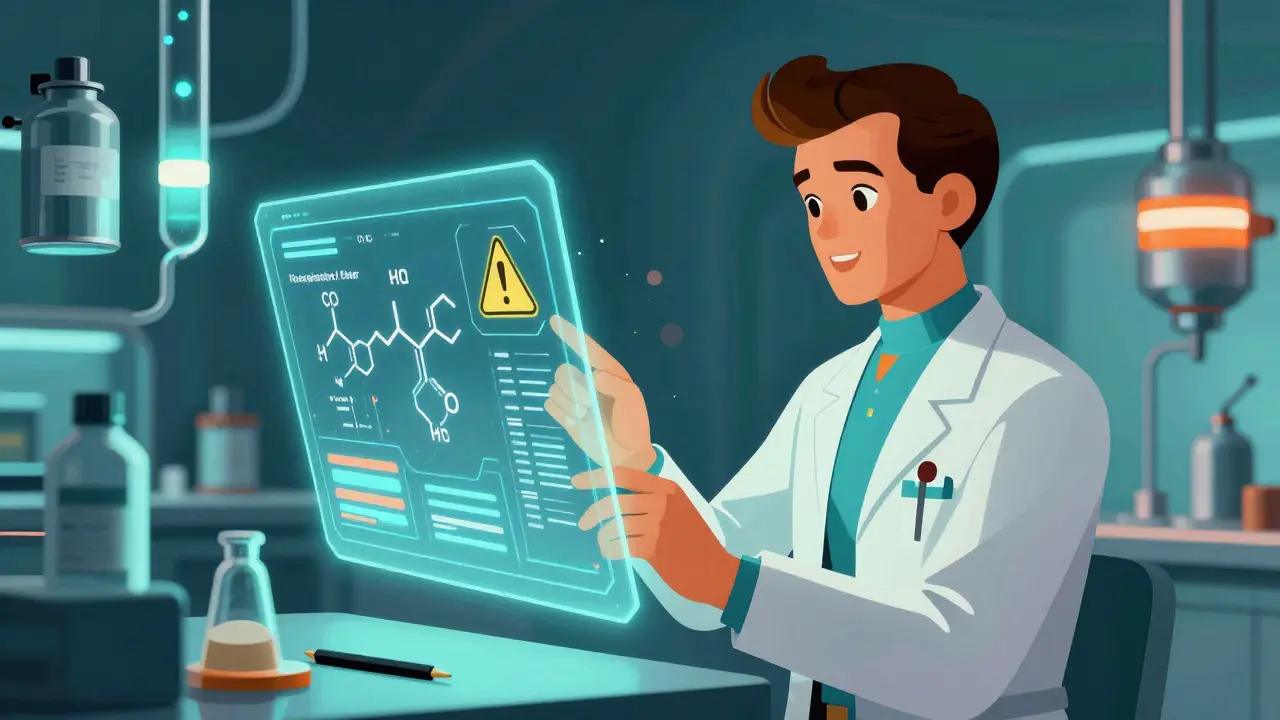
If you have a list of prescription medications, digital tools are a great first line of defense. They provide quick, data-driven warnings about how chemicals interact in your bloodstream.The FDA Drug Interaction Checker is a reliable resource that is updated monthly. It's particularly useful for checking pharmacokinetic data-essentially how your body absorbs and clears the drug. Similarly, the MedlinePlus database from the National Library of Medicine covers over 10,000 medications, providing a comprehensive look at both prescription and over-the-counter (OTC) risks.
However, there is a massive catch: these tools only know what you tell them. They cannot detect if your street drugs are laced with something else. For example, if you think you're taking heroin but it's actually fentanyl-laced cocaine, no app can warn you about that specific mixture in real-time. Digital tools are for *known* substances, not *suspected* ones.
Closing the Gap: Identifying Non-Prescribed Risks
Many people are hesitant to tell their doctor they are using non-prescribed pills or alcohol because they fear judgment. This silence is where the most dangerous interactions hide. According to some studies, nearly 60% of patients underreport their use of benzodiazepines to their providers.To get an accurate risk assessment, you have to change how you communicate. Instead of asking "Are you taking other medications?" (which sounds like a legal question), a more effective approach is to ask, "Do you ever take things not prescribed to you?" or "Do you use any 'downers' or street drugs?" This simple shift in language can increase the rate of honest disclosure by over 50%.
If you don't have regular access to a doctor, harm reduction tools can fill the void. The National Harm Reduction Coalition offers a free 'Overdose Risk Self-Check' tool. This isn't a complex medical database; it's a set of 10 targeted questions designed to identify the specific behaviors and combinations that actually lead to death in the community.
Personal Risk Factors That Multiply the Danger
Checking a drug list is only half the battle. Your physical state and history can make a "safe" interaction suddenly deadly. You need to account for these variables:- Tolerance Drop: If you've been abstinent for a while (say, 72 hours), your tolerance can drop by 30-50%. Taking your "usual" dose after a break is a frequent cause of accidental overdose.
- Respiratory Health: If you have asthma or COPD, your risk of a fatal interaction is 4.2 times higher because your lungs are already compromised.
- Administration Method: Switching from oral pills to injecting increases overdose risk by 300%. The drug hits the brain instantly, leaving no time for the body to react or for help to arrive.
Professional Screening Protocols
When you visit a clinic, look for providers who use structured screening tools. The Opioid Risk Tool (ORT) is a standard 5-item instrument that helps doctors identify patients at high risk for misuse. While it takes less than two minutes, it's significantly more accurate than just relying on a patient's memory.Pharmacists also use a system called the Beers Criteria, especially for older adults. Since the elderly process drugs more slowly, certain combinations that are safe for a 25-year-old can be toxic for an 80-year-old. This list identifies 56 specific combinations that pharmacists watch for to prevent senior overdoses.
The gold standard for clinical safety today is the "5 A's" approach: Ask, Assess, Advise, Agree, and Assist. If your provider isn't asking specific questions about your other substance use, you should be the one to bring it up. Your life depends on the pharmacist or doctor having the full picture.
Can I use a drug interaction app to check street drugs?
No. Apps like the FDA checker rely on known ingredients in pharmaceutical drugs. They cannot detect contaminants, such as fentanyl mixed into cocaine or pressed pills that aren't what they claim to be. For street drugs, the only way to check for risk is using drug testing strips and following harm reduction guidelines.
Why is mixing alcohol and opioids so much more dangerous than other mixes?
Both alcohol and opioids are CNS depressants. They both slow down the part of the brain that controls your breathing. When used together, they create a synergistic effect, meaning the combined impact is stronger than the sum of its parts, often leading to respiratory arrest.
What should I do if I suspect a dangerous interaction is happening?
If someone is showing signs of an overdose-such as pinpoint pupils, blue lips, or shallow breathing-administer Naloxone (Narcan) immediately if available and call emergency services. Naloxone can reverse the effects of opioids, though it will not reverse the effects of benzodiazepines or alcohol.
Does taking a tolerance break increase my overdose risk?
Yes, significantly. Your body's tolerance to opioids can drop by 30-50% in as little as 72 hours. If you return to your previous dose after a break, that dose may now be high enough to cause an overdose.
Which medications are most likely to interact with pain relievers?
The highest risk comes from other CNS depressants. This includes benzodiazepines (Xanax, Ativan, Valium), sleep medications (Ambien), muscle relaxants, and alcohol. Even some OTC cough medicines with dextromethorphan can complicate things depending on the dosage.
Next Steps for Staying Safe
If you are currently taking medications that carry a risk of interaction, start by creating a master list. Include every prescription, every over-the-counter supplement, and any substance you use recreationally. This removes the guesswork during a doctor's visit.For those in high-risk situations, the most immediate safety step is to obtain Naloxone. While it doesn't prevent the interaction, it is the only way to reverse an opioid overdose. Many pharmacies provide it without a prescription, and harm reduction centers offer it for free.
Finally, never use a new substance alone. If a dangerous interaction occurs, you need someone there who can recognize the signs and call for help. Using a spotting system or a service like "Never Use Alone" can bridge the gap between a close call and a fatality.
Darius Prorok
April 6, 2026 AT 21:55The FDA checker is basic stuff. Everyone knows that pharmacokinetic data is just a fancy way of saying how the drug moves through you.
GOPESH KUMAR
April 8, 2026 AT 06:08It is a classic human paradox that we seek liberation through substances only to find ourselves imprisoned by the chemistry of our own biology. We treat the body like a laboratory without reading the manual, then act surprised when the reaction is explosive. The real tragedy isn't just the physical overdose, but the systemic failure of a society that prioritizes pharmaceutical profit over basic chemical literacy. We are basically playing Russian Roulette with neurotransmitters because we're too lazy to study basic pharmacology. It's all very predictable if you actually think about the nature of dependency and the hubris of the modern medical complex.
Grace Lottering
April 9, 2026 AT 05:59Big Pharma wants you using these apps. They track your data. Total control.
Nathan Kreider
April 10, 2026 AT 21:01This is really helpful for anyone struggling. Just remember you aren't alone and there are people who care about you getting through this safely!
Laurie Iten
April 12, 2026 AT 19:41the idea of tolerance dropping so fast is a sobering thought about the fragility of the human state we are just biological machines after all
Victoria Gregory
April 13, 2026 AT 10:57I totally agree that kindness in the doctor's office makes such a huge difference!!! 🌟 It's all about that connection and feeling safe enough to be honest... ❤️✨
Kathleen Painter
April 15, 2026 AT 00:23I've spent a lot of time working with people in recovery and I can't emphasize enough how critical that point about not using alone is, because even with the best intentions, a person can slip into an unresponsive state so quickly that their partner might not even realize it's happening until the breathing has already slowed to a dangerous level. It's not just about having a buddy, it's about having a buddy who actually knows how to use Narcan and knows when to call 911 without panicking, which is why community education is just as important as the medical tools themselves. We have to create a support network where people feel they can be honest about their usage without the fear of legal repercussions or social stigma, because that's the only way we're actually going to lower the mortality rates in the long run.
Nikhil Bhatia
April 16, 2026 AT 18:49Meh, most people just google this stuff anyway.
dwight koyner
April 17, 2026 AT 16:47It is imperative to note that Naloxone does not treat the effects of benzodiazepines. In a polydrug overdose, the patient may still be sedated even after the opioid component is reversed, which necessitates continued professional medical monitoring.
Jitesh Mohun
April 19, 2026 AT 15:10listen up kids stop lying to your docs and just tell them what you are taking before you end up in a box its not that hard
Jay Vernon
April 21, 2026 AT 02:05Stay safe everyone! 🛡️🙏
shelley wales
April 22, 2026 AT 03:07I'm glad to see resources like the National Harm Reduction Coalition being mentioned here. It's so important to meet people where they are.
Timothy Burroughs
April 23, 2026 AT 09:41Typical weak stuff. In the real USA we handle our business and don't need a bunch of apps to tell us how to breathe lol
Dhriti Chhabra
April 25, 2026 AT 00:35The emphasis on the Beers Criteria for elderly patients is most appropriate, as physiological changes in aging significantly alter drug metabolism.
Brady Davis
April 26, 2026 AT 05:11Oh wow, a table! I'm so shocked that mixing drugs is actually dangerous. Who could have possibly guessed this? Truly a groundbreaking revelation!