How Generic Drug Prices Are Set: The Role of PBMs and Insurance Negotiations
 Apr, 8 2026
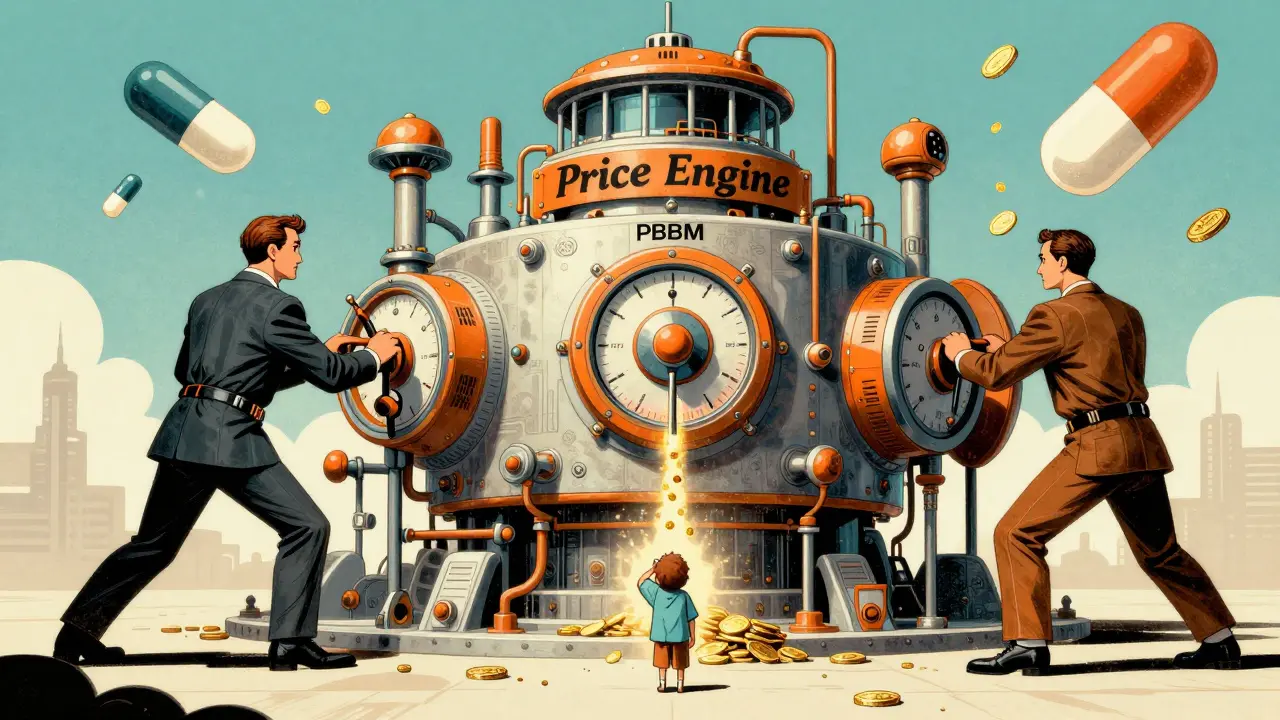
Ever wondered why your insurance copay for a generic drug is sometimes higher than the actual cash price at the pharmacy counter? It feels like a glitch in the system, but it's actually the result of a highly complex, often opaque negotiation process. In the U.S., the price you pay for a Generic Medication is a medication created to be the same as an already marketed brand-name drug in dosage form, safety, strength, quality, and purity isn't just based on what it costs to make the pill. Instead, it's determined by a tug-of-war between insurers, pharmacies, and a powerful group of middlemen known as Pharmacy Benefit Managers.
The Middlemen Controlling the Money
To understand generic pricing, you first have to meet the Pharmacy Benefit Managers, or PBMs. Think of them as the architects of the drug pricing world. They sit between the health insurance company and the pharmacy, deciding which drugs are covered and how much the pharmacy gets paid to dispense them. Today, the market is incredibly consolidated. Three giants-OptumRx, CVS Caremark, and Express Scripts-control about 80% of the PBM market. When a few companies hold that much power, they essentially set the rules for the rest of the industry.
PBMs claim their goal is to save patients money by negotiating bulk deals. However, the reality is often different. Because they manage the Insurance Formulary (the list of drugs an insurance plan covers), they have the power to push a pharmacy toward a specific generic version of a drug, even if it's not the cheapest option available. This creates a system where the "negotiated price" is more about corporate leverage than the actual cost of the medicine.
How the Math Actually Works: MAC Lists and Reimbursement
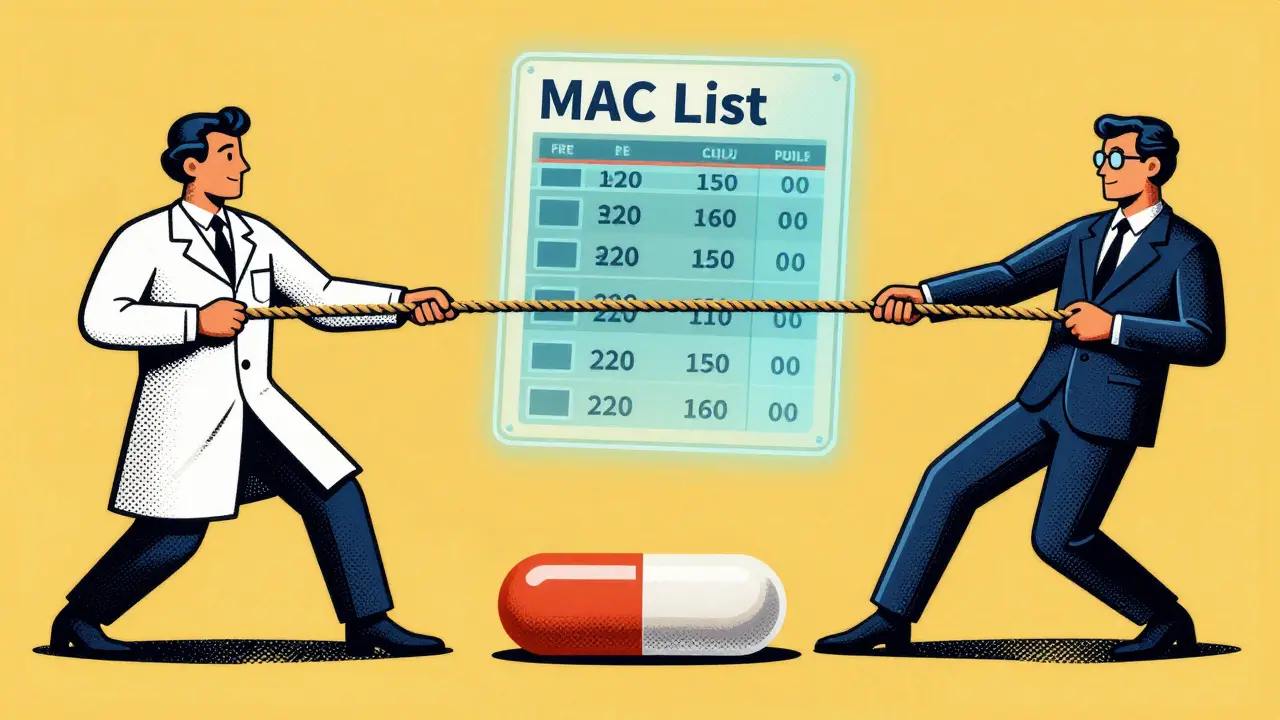
Pharmacies don't just pick a price for generics; they are told what they will be reimbursed. PBMs use something called Maximum Allowable Cost, or MAC lists. These are essentially "price ceilings" that PBMs set for generic drugs. If a PBM decides a certain generic is worth $10, the pharmacy won't get paid more than that, regardless of what the pharmacy actually paid to buy the drug from the wholesaler.
The reimbursement formula usually looks like one of these two scenarios:
- AWP Minus: The Average Wholesale Price (AWP) minus a certain percentage.
- NADAC Plus: The National Average Drug Acquisition Cost (NADAC) plus a small dispensing fee.
Here is the catch: these formulas are often skewed. PBMs can change these rates without notice. For an independent pharmacy, this is a nightmare. Imagine buying a medication for $50 and then finding out the PBM is only reimbursing you $40. That gap comes directly out of the pharmacy's pocket, which is why over 11,000 independent pharmacies have shut down between 2018 and 2023.
| Mechanism | Who Controls It | Impact on Patient | Impact on Pharmacy |
|---|---|---|---|
| MAC Lists | PBMs | Determines if a drug is "preferred" | Caps the maximum profit per pill |
| Spread Pricing | PBMs | Can lead to higher copays | Lowers the actual reimbursement received |
| Cash Pricing | Pharmacy/Manufacturer | Often cheaper than insurance for generics | Direct transaction, no PBM involved |
The "Spread Pricing" Trap
One of the most controversial parts of this system is Spread Pricing. This is where a PBM charges an insurance company (the payer) a high price for a drug, but pays the pharmacy a much lower price to dispense it. The PBM then pockets the "spread" as pure profit.
For example, a PBM might charge an employer-sponsored health plan $100 for a generic medication but only pay the pharmacy $20 to fill it. The $80 difference doesn't go to the doctor or the pharmacist-it stays with the PBM. Industry analysts estimate that this practice generates over $15 billion annually, with the bulk of that coming from generics. This is why you might find yourself paying a $45 copay for a drug that you could buy for $4 in cash using a discount card. The insurance is paying a premium for a service that doesn't actually lower the cost of the drug.
Why Your Copay Might Be a Lie
You've probably noticed that your copay for a generic is usually a flat fee, like $5 or $10. While that seems simple, it masks the chaos happening behind the scenes. Because PBMs negotiate secret rebates with manufacturers, the "list price" of a drug often stays high even when the actual cost drops. Why? Because high list prices allow PBMs to claim larger rebates, which looks better on their balance sheets.
This leads to a strange phenomenon: the "insured gap." A 2024 survey found that 42% of insured adults have paid more via their insurance copay than they would have if they just paid cash. This is often compounded by "gag clauses" in PBM contracts. For years, these clauses prevented pharmacists from telling you, "Hey, this is actually cheaper if you don't use your insurance." While laws are changing, the habit of relying solely on insurance for generics can actually cost you more money.
The Path to Transparency: What's Changing?
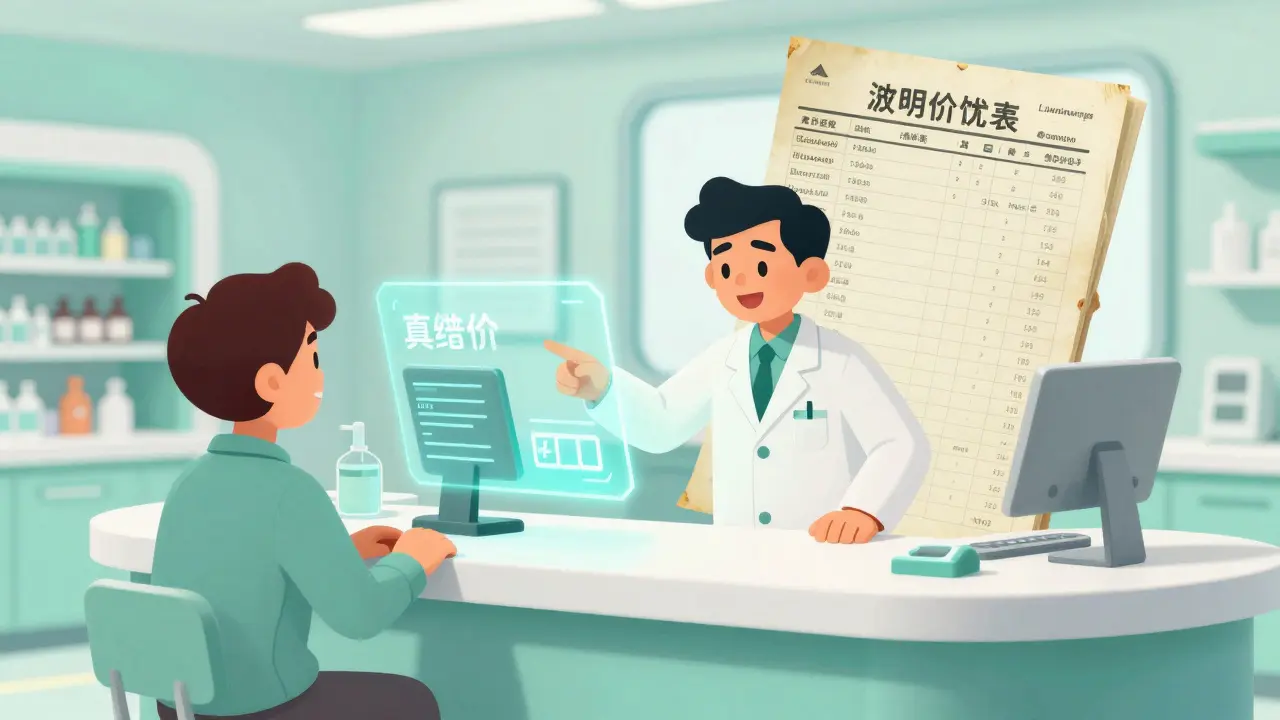
The system is finally facing some heat. The federal government has started cracking down on these opaque practices. As of January 2026, new mandates are banning spread pricing in federal programs and requiring PBMs to be transparent about their fees. Additionally, 42 states are currently implementing their own transparency laws to force PBMs to disclose their MAC lists.
We are also seeing a shift in how people shop for meds. Services like GoodRx or Cost Plus Drugs have exposed the PBM game by showing the true market price of generics. When patients realize they can get a medication for a fraction of their copay, it puts pressure on insurers to reform their insurance formularies and reimbursement models.
Why is my generic drug more expensive with insurance than in cash?
This happens because of "spread pricing." PBMs may charge your insurer a high rate while paying the pharmacy very little. Your copay is often based on a percentage of that inflated insurance price, not the actual cost of the drug. In some cases, the insurance copay is simply set higher than the pharmacy's direct cash price for the generic.
What is a PBM and why does it matter for my wallet?
A Pharmacy Benefit Manager (PBM) is a third-party administrator that manages prescription drug programs for insurers. They decide which drugs make it onto your formulary and set the reimbursement rates for pharmacies. Because they control the flow of money, their profit motives can influence both the price you pay and which medications are available to you.
Do MAC lists affect the quality of my medication?
No, MAC lists only affect the price. They determine the maximum amount a PBM will pay a pharmacy for a generic drug. While it doesn't change the chemical quality of the drug, it can affect which generic manufacturer's product your pharmacy stocks, as they are more likely to carry the version that allows them to remain profitable.
Are there ways to avoid high PBM-driven costs?
Yes. Always ask your pharmacist for the "cash price" of a generic medication before using your insurance. You can also use transparent pricing tools or discount services to see if the retail price is lower than your insurance copay. If the cash price is lower, you can choose to pay out-of-pocket for that specific fill.
Will the Inflation Reduction Act lower generic prices?
The act primarily targets brand-name drug negotiations for Medicare, but the ripple effect is expected to hit the private market. By forcing manufacturers to negotiate prices with the government, the baseline for what is considered a "fair price" shifts, which may eventually pressure PBMs to lower the list prices they use for commercial insurance negotiations.
Next Steps for Patients and Caregivers
If you're tired of pharmacy price surprises, start by auditing your current prescriptions. Ask your pharmacist for a printout of the cash price versus your insurance copay for every generic you take. If you find a significant gap, check if your employer offers a transparent pricing plan or look into direct-to-consumer pharmacy models. Staying proactive is the only way to navigate a system designed to keep you in the dark.
Rauf Ronald
April 8, 2026 AT 16:32Everyone should definitely start using Mark Cuban's Cost Plus Drugs for their generics. It completely bypasses the PBM nonsense and shows you the actual cost plus a flat margin. It's a total game changer for people on long-term meds!
Grace Lottering
April 8, 2026 AT 19:07Total scam. They want us dependent on the system so they can bleed us dry. It is all a coordinated effort by Big Pharma to keep the poor sick and the rich richer.
Michael Flückiger
April 9, 2026 AT 16:05Just found this out today!!! I can't believe I've been paying more for insurance than cash for years!!! Thank you for sharing this info!!!
Benjamin cusden
April 11, 2026 AT 05:32The structural inefficiency of the American healthcare system is a predictable outcome of unchecked corporate lobbying. While the provided summary is adequate for a layperson, it barely scratches the surface of the regulatory capture happening at the FDA level. Most people are simply too intellectually lazy to research the actual legislative loopholes that allow these PBMs to operate with such impunity. It is a systemic failure of the highest order, and expecting a few state-level transparency laws to fix a multi-billion dollar cartel is bordering on naive. One must understand that the incentive for the payer is not actually to lower the cost, but to maintain a predictable cash flow that benefits the shareholders of the PBMs. The sheer audacity of the spread pricing model is almost impressive if you view it through a purely Machiavellian lens. It transforms the act of healing into a high-frequency trading game where the patient is the asset being liquidated. The lack of a single-payer alternative in this specific context makes the US a unique laboratory for corporate greed. I find it exhausting that basic economic principles of supply and demand are bypassed by these artificial intermediaries. The result is a fragmented market where the consumer has zero visibility. This is not a glitch; it is the feature of the design. Honestly, the most surprising part is that this isn't taught in basic economics courses as a prime example of market failure. We are essentially paying a premium for the privilege of being cheated. It is an absolute circus of incompetence and malice.
GOPESH KUMAR
April 11, 2026 AT 09:54Typical Western chaos. You people build these complex systems and then act shocked when they fail.
Ethan Davis
April 11, 2026 AT 13:54PBMs are just front organizations for the government to track who's taking what. The spread pricing is just a way to fund off-the-books operations. Wake up people.
dwight koyner
April 13, 2026 AT 02:35It is truly disheartening to see how many independent pharmacies are forced to close due to these reimbursement gaps. These local pharmacists often provide a level of personalized care that corporate chains cannot replicate.
Jamar Taylor
April 13, 2026 AT 08:49Keep fighting for transparency! We can make a difference if we all start asking for the cash price at the counter. Let's push for change together!
Jitesh Mohun
April 15, 2026 AT 05:17this whole system is a joke man just pay cash and skip the middleman lol
Jay Vernon
April 16, 2026 AT 07:33Wow this is a lot to take in 😵️ I'll definitely be asking my pharmacist about this next time! Thanks for the heads up! 🙏
Ruth Swansburg
April 18, 2026 AT 03:03We must stay strong and support each other through this! You are not alone in this struggle!
Dhriti Chhabra
April 18, 2026 AT 11:03It would be most beneficial if all parties could reach a consensus that prioritizes patient welfare over corporate profit.
Nikhil Bhatia
April 18, 2026 AT 11:19Too long didn't read but sounds like a scam.