Healthy Snacking: High-Protein, Low-Calorie Ideas for Weight Management
 Jan, 5 2026
Want to stop mid-afternoon cravings without wrecking your calorie budget? You’re not alone. Most people who are trying to lose weight or keep it off hit the same wall: hunger strikes between meals. But what if your snack could actually help you feel full longer, keep your muscles strong, and even burn a few extra calories just by eating it? That’s the power of high-protein, low-calorie snacks.
Why Protein Snacks Work Better Than Crisps or Cookies
Not all snacks are created equal. A bag of chips might satisfy your salt craving, but it leaves you hungry again an hour later. Why? Because it’s mostly carbs and fat-with almost no protein. Protein is the only macronutrient that triggers your body’s fullness signals. Studies show it boosts hormones like PYY and GLP-1 by 15-25%, which tell your brain, “You’re done eating.”
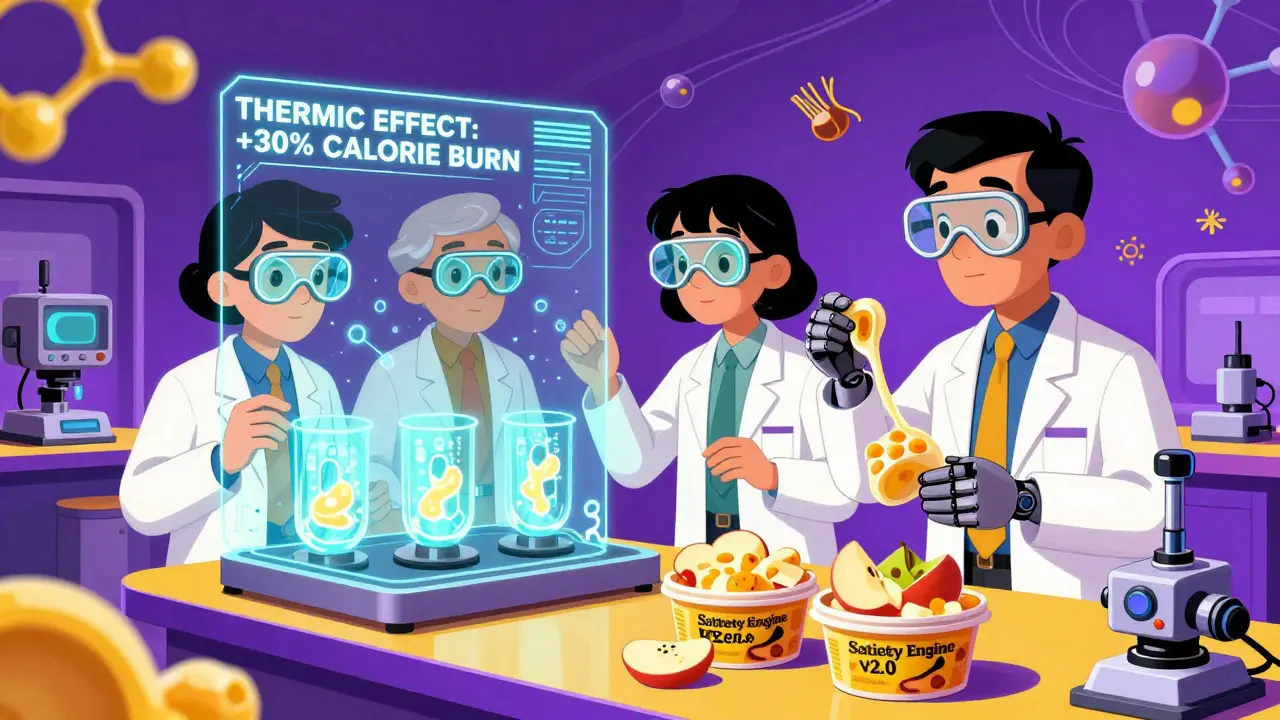
Plus, your body burns more calories digesting protein than it does carbs or fat. That’s called the thermic effect of food. For protein, it’s 20-30% of the calories you consume. For carbs? Only 5-10%. So when you eat a 150-calorie protein snack, you’re already burning off 30 of those calories just by digesting it.
And here’s the kicker: eating 20-40 grams of protein per snack helps your body build and repair muscle. That’s important because muscle burns more calories at rest than fat. The more muscle you keep, the easier it is to maintain your weight long-term.
What Counts as a Good High-Protein, Low-Calorie Snack?
Not every “protein bar” is a win. Some are just candy bars with a protein powder coating. A true high-protein, low-calorie snack should hit these targets:
- At least 10 grams of protein
- Under 200 calories
- Less than 5 grams of added sugar
- At least 3 grams of fiber (bonus points)
Here’s what that looks like in real life.
10 Real, Easy, and Satisfying Snacks Under 200 Calories
1. Hard-Boiled Eggs (2 eggs)
156 calories, 12g protein
Simple, portable, and packed with choline for brain health. Boil a batch on Sunday and keep them peeled in a container with a pinch of salt and pepper. No prep needed. This is the #1 most logged snack on MyFitnessPal for a reason.
2. Greek Yogurt (¾ cup, unsweetened)
110 calories, 18g protein
Choose plain, full-fat or low-fat. Add a handful of frozen berries (50 calories, 3g fiber) and a sprinkle of cinnamon. No sugar, no additives, just pure protein and antioxidants. The thick texture makes it feel like dessert without the crash.
3. Cottage Cheese with Cherry Tomatoes
120 calories, 14g protein
One half-cup of cottage cheese gives you nearly 14g of protein. Toss it with ½ cup of cherry tomatoes (25 calories) and a dash of black pepper. The saltiness from the cheese and the juicy burst from the tomatoes create a savory snack that feels like a mini-meal.
4. Edamame (1 cup, steamed, lightly salted)
189 calories, 17g protein, 8g fiber
These green soybeans are a complete plant protein. They’re high in fiber, which helps slow digestion and keeps you full longer. Buy them frozen, steam for 3 minutes, and sprinkle with sea salt. Eat them straight out of the pod-it slows you down and makes the snack last.
5. Tuna Salad in Lettuce Cups
140 calories, 20g protein
Mix 3 oz of canned tuna (in water) with 1 tbsp Greek yogurt instead of mayo, a squeeze of lemon, and diced celery. Spoon it into 2 large romaine leaves. No bread, no calories from carbs, just clean protein and crunch. It’s the snack that post-workout folks swear by.
6. Roasted Chickpeas (⅓ cup)
135 calories, 7g protein, 6g fiber
Not the crunchy kind from the snack aisle-those are loaded with oil and salt. Make your own: rinse canned chickpeas, pat dry, toss with olive oil, paprika, and garlic powder. Roast at 400°F for 25 minutes. They’re crunchy, satisfying, and full of fiber that helps stabilize blood sugar.
7. String Cheese + Apple Slices
150 calories, 7g protein, 4g fiber
One cheese stick (80 calories, 7g protein) plus one small apple (70 calories, 4g fiber). The combo of protein and fiber creates a slow-release energy snack. It’s simple, but it works. And the sweetness from the apple balances the saltiness of the cheese.
8. Protein Shake (with water or unsweetened almond milk)
130-160 calories, 20-25g protein
Use a whey or casein protein powder with less than 3g sugar per serving. Mix with water or unsweetened almond milk. Add a spoon of chia seeds for extra fiber. Avoid flavored ones with sugar alcohols-they can cause bloating. Stick to unflavored or vanilla with natural sweeteners like stevia.
9. Miso & Sesame Hard-Boiled Eggs
165 calories, 12g protein
Boil two eggs. Slice in half. Mix 1 tsp white miso paste with ½ tsp sesame oil and a sprinkle of sesame seeds. Spoon a little onto each half. Savory, umami-rich, and deeply satisfying. People who tried this in BBC Good Food’s taste tests reported it kept hunger away for over 3 hours.
10. Cottage Cheese Bark
140 calories, 15g protein
Spread ½ cup of full-fat cottage cheese on parchment paper. Top with 1 tbsp dark chocolate chips (70% cacao or higher) and a few crushed almonds. Freeze for 1 hour, then break into pieces. It tastes like candy but gives you 15g of protein. Reddit users called this the “most satisfying snack under 150 calories.”

Plant-Based vs. Animal-Based: Which Is Better?
Animal proteins like eggs, dairy, and chicken are complete-they contain all nine essential amino acids your body can’t make. That makes them more efficient for muscle repair. A 3-ounce chicken breast gives you 26g of protein for 140 calories. Tofu? Only 9g for 70 calories. So if you’re chasing protein density, animal sources win.
But plant-based options like edamame, chickpeas, and lentils bring something animal proteins don’t: fiber. And fiber + protein is a powerhouse combo for fullness. One cup of edamame gives you 17g protein and 8g fiber. That’s 30% more satiety than protein alone, according to clinical studies.
If you’re plant-based, pair incomplete proteins: hummus (chickpeas) with whole wheat pita, or peanut butter on whole grain toast. Together, they form a complete amino acid profile.
What to Avoid
Not all “healthy” snacks are good for weight loss.
- Protein bars with sugar alcohols (like erythritol or maltitol): These can cause bloating, gas, and diarrhea in 23% of users. Quest bars get high ratings, but the negative reviews are loud about digestive issues.
- Protein bars with dates or honey as main sweeteners: RXBARs say “no added sugar,” but 13g of sugar comes from dates. That’s almost as much as a candy bar.
- Jerky: High in protein (10g per ounce), but often packed with 500-700mg of sodium. That’s a quarter of your daily limit. Look for low-sodium versions.
- Protein bagels: They sound great, but many are dense, gummy, and full of fillers. One user survey found 42% failed to make them taste good.
How to Make This Stick
Consistency beats perfection. You don’t need to eat perfect snacks every day. Just make them easy.
- Prep on Sunday: Boil 6-8 eggs, portion cottage cheese into small containers, roast a batch of chickpeas.
- Keep snacks visible: Put your protein snacks at eye level in the fridge. Out of sight = out of mind.
- Start small: If you’re new to high-protein snacks, begin with 10-15g per snack. Your gut needs time to adjust to more protein.
- Use the USDA FoodData Central app: It’s free. Look up any food and see exact protein and calorie counts.
One woman in Vancouver told me she started keeping hard-boiled eggs and cheese sticks in her work bag. Within two weeks, she stopped buying vending machine snacks. She lost 8 pounds in 3 months-not by dieting, but by swapping out one bad habit.
When to Eat Them
Timing matters. Eating 15-20g of protein within 45 minutes of waking up helps stop muscle breakdown after a night of fasting. That’s why a protein snack at breakfast is better than skipping it.
Post-workout? Have a snack within 30 minutes. Your muscles are primed to absorb protein. A shake or cottage cheese with fruit works great.
Mid-afternoon? That’s the crash zone. A protein snack here can prevent overeating at dinner. Studies show people who eat a high-protein snack between 3-4 p.m. eat 12-15% less at dinner.
Final Thought: It’s Not About Restriction
This isn’t about eating less. It’s about eating smarter. You can still enjoy snacks. You just want them to work for you-not against you. A snack that fills you up, fuels your body, and keeps your energy steady? That’s not a cheat. That’s a strategy.
Start with one snack this week. Try the cottage cheese bark. Or the tuna lettuce wraps. Eat it slowly. Notice how you feel an hour later. If you’re not hungry, you’ve just found your new go-to.
Can I eat high-protein snacks if I’m not trying to lose weight?
Absolutely. High-protein snacks help maintain muscle mass, support recovery after exercise, and stabilize energy levels-even if your goal isn’t weight loss. They’re especially helpful for older adults, athletes, or anyone who’s active. The same snacks that help with weight management also help you stay strong and feel better daily.
Are protein powders safe for daily use?
Yes, if you choose clean, third-party tested brands with minimal additives. Whey and casein are well-studied and safe for most people. Avoid powders with artificial sweeteners, fillers, or excessive sugar. Unflavored collagen peptides are a great alternative if you want protein without the chalky texture. Always prioritize whole foods first, but powders are fine as a convenient supplement.
Why do some protein snacks make me feel bloated?
It’s often due to sugar alcohols like erythritol or maltitol, which are used in many low-sugar protein bars. These aren’t fully digested and can ferment in your gut, causing gas and bloating. Check the ingredients list. If you see “maltitol,” “sorbitol,” or “erythritol,” skip it. Also, if you’re new to high-protein eating, your gut needs time to adjust. Start with smaller portions and increase slowly.
Can I eat these snacks if I’m vegetarian or vegan?
Yes. Edamame, tofu, tempeh, lentils, chickpeas, and plant-based protein powders (pea, rice, or soy blends) all work. Combine different plant proteins-like hummus with whole grain pita or peanut butter on whole wheat toast-to get all essential amino acids. Many vegan protein bars now use pea protein and have under 200 calories with 15g+ protein.
How do I know if a protein bar is actually healthy?
Look at the label: 15-25g protein, under 200 calories, less than 5g added sugar, and at least 3g fiber. Avoid bars with more than 5 ingredients you can’t pronounce. Stick to brands like RXBAR (if you don’t mind the 13g sugar from dates), GoMacro, or No Cow. If the first ingredient is “date paste” or “cocoa powder,” it’s probably fine. If it’s “isomalto-oligosaccharide” or “maltodextrin,” walk away.
Will eating protein snacks make me bulky?
No. Building muscle requires heavy lifting and a calorie surplus. Snacking on 15-20g of protein won’t make you bulky. It will help you stay lean, preserve muscle, and avoid the metabolic slowdown that comes with losing weight. Protein is your friend, not your enemy.
Kiran Plaha
January 6, 2026 AT 14:41Been trying the hard-boiled eggs with salt and pepper like you said. Game changer. No more vending machine junk after lunch.
Matt Beck
January 7, 2026 AT 11:00Brooo. 🤯 Protein isn’t just for bodybuilders-it’s the OG satiety hack. Your brain literally says ‘STOP EATING’ when it gets enough. 🧠✨ The thermic effect? That’s your body doing crunches for you. 😎
Ryan Barr
January 7, 2026 AT 16:10Most of this is common sense. But the cottage cheese bark? That’s peak innovation.
Cam Jane
January 8, 2026 AT 12:07Y’all need to try the tuna lettuce wraps. I made them last week and my whole office started asking for the recipe. It’s not just about protein-it’s about texture, flavor, and not feeling like you’re on a diet. You can eat this and still feel like you’re treating yourself. No guilt. No shame. Just good food that works. Seriously, try it for three days. Your energy will thank you. And if you’re skeptical? Just do it. You’ve got nothing to lose but the 3 p.m. crash.
Dana Termini
January 9, 2026 AT 20:24I’ve been eating edamame as a snack for years. It’s my go-to when I’m stressed. The act of popping them out of the pod is oddly calming. And the fiber keeps me full longer than anything else I’ve tried.
Wesley Pereira
January 11, 2026 AT 16:28Protein bars with ‘isomalto-oligosaccharide’? Bro that’s just fancy sugar. You’re not fooling anyone. And don’t even get me started on ‘clean’ labels that list 17 ingredients you can’t pronounce. 🤡
Isaac Jules
January 13, 2026 AT 10:46Why are people still eating cottage cheese? It’s like eating wet chalk. And the bark? That’s not a snack, that’s a cry for help. Also, why is everyone obsessed with ‘plant-based’? Real food is animal-based. Get real.
Amy Le
January 14, 2026 AT 03:39So you’re telling me the American way of snacking is broken? Shocking. 🇺🇸 We’ve been doing it right since the 80s. Low-fat was a scam. Protein is the answer. And if you’re not eating eggs and cheese, you’re just not trying.
Pavan Vora
January 14, 2026 AT 05:12My mom in Delhi she makes achaar with boiled eggs, and then she put some lemon juice and chili powder... it’s like 100 calories, 12g protein, and it’s spicy so you eat slow. I think this is the real secret 😊
Stuart Shield
January 14, 2026 AT 19:15I used to think snacks were just filler. Then I tried the miso-sesame eggs. It’s like a little umami bomb in your mouth. Suddenly, food isn’t just fuel-it’s a moment. A tiny, delicious pause in the chaos. I’m not even trying to lose weight anymore. I’m just trying to feel good.
Indra Triawan
January 15, 2026 AT 00:28I’ve tried all these snacks. None of them worked. I just end up eating more later. Maybe I’m just broken.
Susan Arlene
January 15, 2026 AT 15:08the tuna lettuce cups are legit. i made em last night with a splash of sriracha. no bread no guilt. just crunchy and good. also i forgot i was dieting. that’s the win.
Joann Absi
January 16, 2026 AT 02:18HOW DARE YOU SUGGEST PLANT-BASED PROTEIN IS EQUAL?! 🤬 This is cultural genocide! Eggs and cheese are sacred! 🍳🧀 I cried when I saw edamame on the list. My ancestors are rolling in their graves. 🌱💀
Cam Jane
January 16, 2026 AT 08:11Indra, you’re not broken-you just haven’t found your snack yet. Try the cottage cheese bark. Seriously. It’s sweet, salty, and feels like dessert. I ate it while crying over my to-do list and it fixed everything. One snack. One week. Let me know.