Falls Risk on Anticoagulants: Prevention and Monitoring
 May, 28 2026
Stroke vs. Bleeding Risk Calculator
Stroke Risk (CHA2DS2-VASc)
Score: 0Calculate the likelihood of stroke in patients with Atrial Fibrillation.
Bleeding Risk (HAS-BLED)
Score: 0Estimate major bleeding risk over 1 year.
The "Fall Myth" Reality Check
Many caregivers fear falls while on blood thinners. However, the math tells a different story.
~300 times
Falls needed per yearStroke Benefit
Gained by medicationConclusion: The risk of a fatal bleed from a fall is statistically negligible compared to the risk of an untreated stroke. DOACs further reduce this risk by up to 50% compared to Warfarin.
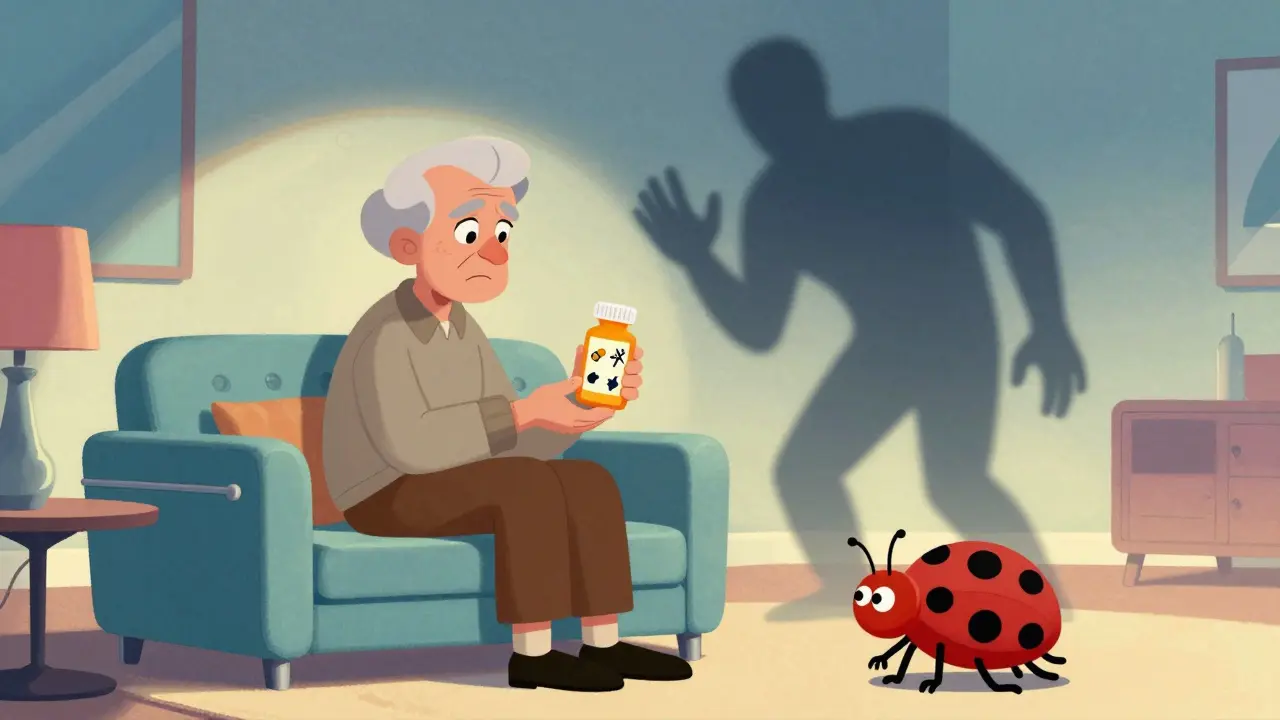
Imagine you are caring for an elderly parent with atrial fibrillation. They have a history of stumbling or falling. The doctor prescribes blood thinners to prevent a potentially devastating stroke. Your immediate reaction might be panic. You worry that if they fall again while taking these powerful medications, the bleeding could be fatal. It is a natural fear. Many caregivers and even some clinicians hesitate to start anticoagulation because of this very concern.
However, stopping or avoiding blood thinners due to fall risk is one of the most common medical mistakes made today. Evidence shows that the risk of having a stroke far outweighs the risk of severe bleeding from a fall. Withholding life-saving medication because of a fear of falls can lead to worse outcomes than managing the fall risk itself. This article breaks down the science, the statistics, and the practical steps you need to take to keep your loved ones safe without exposing them to unnecessary stroke risks.
The Myth of Fall Risk as a Contraindication
For years, a widespread belief persisted in healthcare: if a patient falls often, do not give them blood thinners. This logic seems intuitive but is medically flawed. A landmark study published in the Cleveland Clinic Journal of Medicine calculated a startling statistic to debunk this myth. For a patient with atrial fibrillation on warfarin, they would need to fall 295 times in a single year for the risk of major bleeding from those falls to equal the benefit of stroke prevention provided by the medication.
Think about that number. Falling nearly three hundred times a year is physically impossible for almost anyone. This calculation highlights that the absolute risk of intracranial hemorrhage (bleeding in the brain) from a fall while anticoagulated is extremely low. According to a 2023 review in European Geriatric Medicine, the annual risk of intracranial hemorrhage in patients who fall while on anticoagulants is estimated at only 0.2% to 0.5%. In contrast, the annual risk of having a stroke for patients with moderate-to-high risk profiles ranges from 1.5% to 3.0%.
Major medical organizations now explicitly advise against withholding anticoagulation based solely on fall risk. The American College of Physicians and the Society of Hospital Medicine have included "not discontinuing anticoagulation due to fall risk" in their "Things We Do for No Reason" campaign. This initiative targets practices that lack evidence and cause harm. By following outdated fears, we expose patients to strokes that could have been prevented.
Understanding Stroke vs. Bleeding Risk Scores
To make informed decisions, doctors use specific scoring systems. These tools help quantify the danger of clots versus the danger of bleeding. Understanding these scores helps you advocate for appropriate care.
| Tool Name | Purpose | Key Factors | Action Threshold |
|---|---|---|---|
| CHA2DS2-VASc | Estimates stroke risk in atrial fibrillation | Age, sex, heart failure, hypertension, diabetes, prior stroke | Score ≥2 (men) or ≥3 (women) indicates high risk requiring anticoagulation |
| HAS-BLED | Estimates bleeding risk | Hypertension, kidney/liver issues, stroke history, labile INR, age >65, drugs/alcohol | Score ≥3 indicates high bleeding risk; requires caution but not automatic exclusion |
The CHA2DS2-VASc score is the primary tool for deciding if someone needs blood thinners. If a man has a score of 2 or higher, or a woman has a score of 3 or higher, guidelines generally recommend anticoagulation regardless of how often they fall. The HAS-BLED score helps identify patients who need extra monitoring. A high HAS-BLED score does not mean "stop treatment." It means "fix the modifiable risks," such as controlling high blood pressure or reducing alcohol intake.

Choosing the Right Medication: DOACs vs. Warfarin
Not all blood thinners are created equal. When it comes to patients at risk of falls, the type of anticoagulant matters significantly. There are two main classes: Vitamin K antagonists (like Warfarin) and Direct Oral Anticoagulants (DOACs).
DOACs, which include Apixaban, Rivaroxaban, Edoxaban, and Dabigatran, are now the first-line recommendation for most patients with nonvalvular atrial fibrillation. Why? Because they carry a significantly lower risk of intracranial hemorrhage compared to warfarin. Studies show that DOACs reduce the risk of brain bleeding by 30% to 50% compared to warfarin.
For an older adult who may stumble or slip, this reduction in brain bleed risk is crucial. Warfarin requires frequent blood tests (INR checks) and dietary restrictions, which can add complexity to daily life. DOACs have predictable effects, fewer drug interactions, and no routine monitoring requirements. Unless a patient has severe kidney impairment (creatinine clearance <15-30 mL/min), DOACs are generally the safer choice for those with fall risks.
Prevention Strategies: Addressing the Root Causes
If you are worried about falls, the solution is not to stop the blood thinner. The solution is to prevent the fall. This requires a systematic, multifactorial approach. The American Medical Directors Association (AMDA) recommends a four-phase process: recognition, assessment, treatment, and monitoring.
- Medication Review: Many medications increase fall risk. Sedatives, antihypertensives (blood pressure meds), and psychotropic drugs can cause dizziness or confusion. Work with a pharmacist or doctor to deprescribe unnecessary medications.
- Mobility and Balance Training: Physical therapy can improve strength and balance. Simple exercises like the Timed Up and Go test can help assess current ability and track progress.
- Vision and Hearing Checks: Poor vision or hearing can impair spatial awareness. Regular eye exams and hearing aids can reduce accident rates.
- Home Safety Modifications: Remove tripping hazards like loose rugs, clutter, or poor lighting. Install grab bars in bathrooms and handrails on stairs.
- Orthostatic Hypotension Management: Some people experience a drop in blood pressure when standing up quickly. Rising slowly and staying hydrated can help prevent fainting spells.
These interventions address the intrinsic and extrinsic risk factors for falls. By tackling these root causes, you reduce the likelihood of a fall occurring in the first place, making the anticoagulation therapy much safer.
Monitoring and Shared Decision-Making
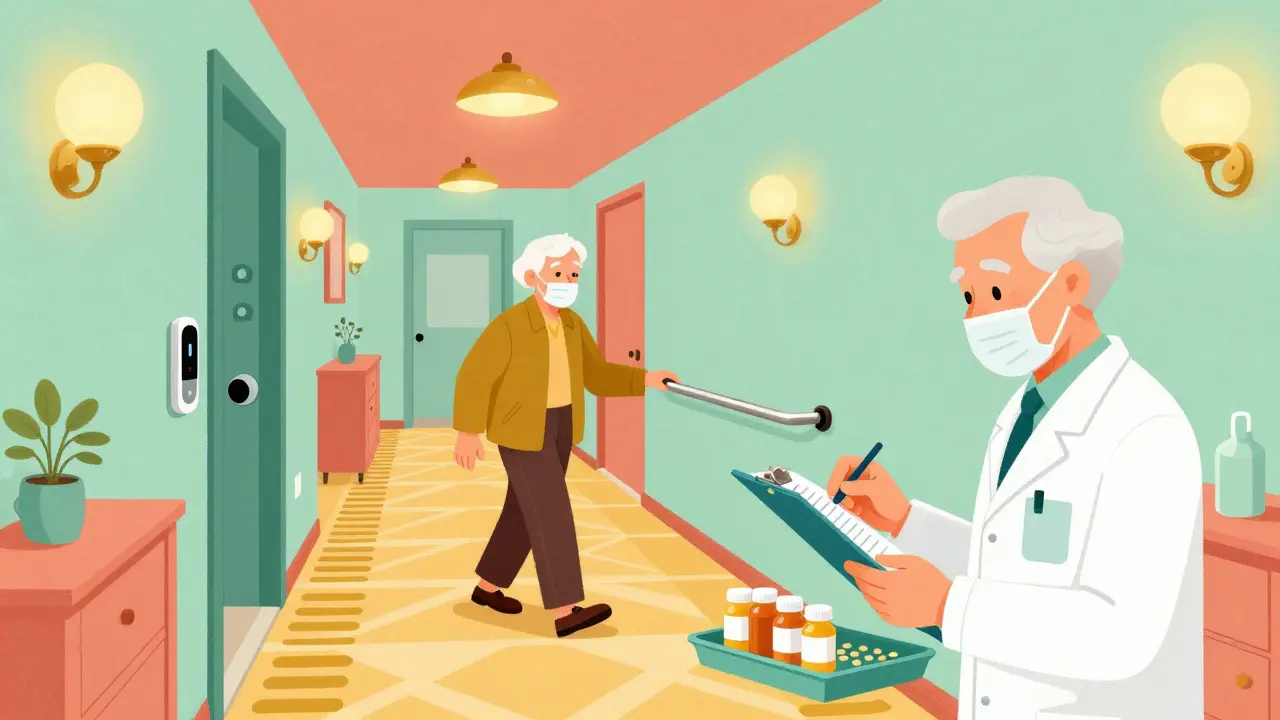
Managing anticoagulation in older adults is not a one-size-fits-all scenario. It requires ongoing dialogue between the patient, caregivers, and the healthcare team. Shared decision-making is essential. This means discussing the realistic benefits and risks with the patient, considering their personal values and goals.
For example, a 78-year-old with a CHA2DS2-VASc score of 3 has a 3.2% annual stroke risk. If they have recently experienced significant functional decline, they might weigh the burden of medication differently. However, for most active seniors, the goal is maintaining independence and preventing disability from stroke. Strokes often lead to long-term care needs, whereas a managed fall might result in a bruise or minor fracture.
It is also important to know what to do if a fall occurs. While most falls do not result in serious injury, any head trauma in an anticoagulated patient requires immediate medical attention. Seek emergency care if there is loss of consciousness, vomiting, confusion, or severe headache after a fall. Early detection of intracranial bleeding can save lives.
Avoid off-label dose reductions of DOACs unless specifically indicated by renal function. Reducing the dose arbitrarily to "lower bleeding risk" actually reduces the drug's effectiveness in preventing strokes without significantly lowering bleeding risks. Stick to the prescribed dosage unless your doctor advises otherwise based on kidney function.
Conclusion: Prioritizing Stroke Prevention
The fear of falls should not dictate whether someone receives life-saving anticoagulation. The data is clear: the risk of stroke is far greater than the risk of catastrophic bleeding from a fall. By choosing the right medication (preferably a DOAC), implementing comprehensive fall prevention strategies, and maintaining open communication with healthcare providers, you can protect your loved ones effectively. Focus on preventing the fall, not avoiding the medicine.
Should I stop blood thinners if my elderly parent falls frequently?
No, you should not stop anticoagulation solely because of fall risk. The risk of having a disabling or fatal stroke is significantly higher than the risk of severe bleeding from a fall. Instead, focus on identifying and treating the causes of the falls, such as medication side effects, home hazards, or balance issues. Consult your doctor before making any changes to medication.
Are DOACs safer than Warfarin for patients who fall?
Yes, Direct Oral Anticoagulants (DOACs) like apixaban and rivaroxaban are generally safer than warfarin for patients at risk of falls. They have a 30-50% lower risk of intracranial hemorrhage (bleeding in the brain) compared to warfarin. They also require less monitoring and have fewer dietary restrictions.
How many falls justify stopping anticoagulation?
Research suggests that a patient would need to fall approximately 295 times in a year for the bleeding risk to outweigh the stroke prevention benefit of warfarin. Since this is practically impossible, fall frequency alone should never be the reason to discontinue anticoagulation therapy.
What should I do if my loved one on blood thinners hits their head?
Seek immediate medical attention. Even if they seem fine initially, intracranial bleeding can develop slowly. Watch for signs like confusion, vomiting, severe headache, drowsiness, or weakness on one side of the body. Emergency evaluation is crucial for early detection and treatment.
Can I reduce the dose of my DOAC to lower bleeding risk?
Do not adjust your dose without consulting your doctor. Arbitrary dose reduction reduces the medication's effectiveness in preventing strokes without significantly lowering bleeding risk. Dose adjustments are only recommended based on specific criteria like kidney function, age, and weight, as determined by your healthcare provider.