Diabetes Medications in Seniors: How to Prevent Dangerous Low Blood Sugar
 Dec, 15 2025
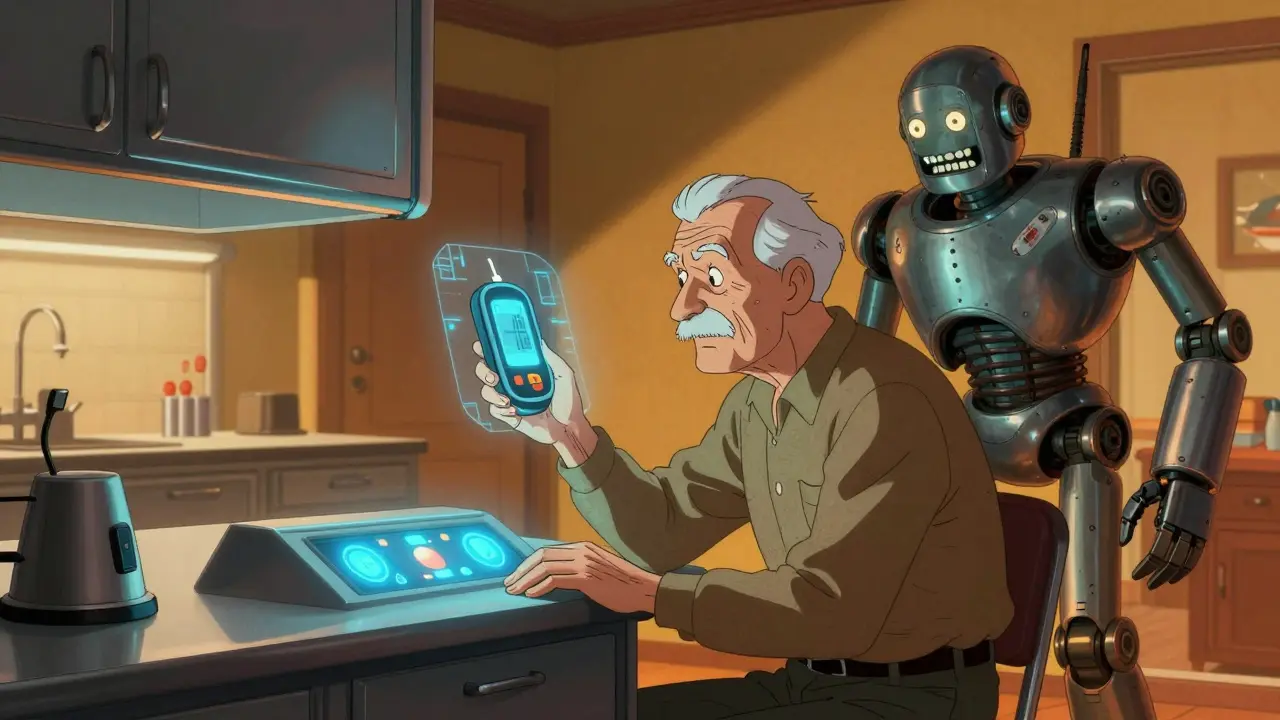
For seniors with diabetes, managing blood sugar isn’t just about keeping numbers in range-it’s about staying safe. One of the biggest dangers isn’t high blood sugar. It’s low blood sugar. And for older adults, even a mild drop can lead to falls, confusion, heart problems, or worse. The goal isn’t perfect glucose control. It’s avoiding hypoglycemia at all costs.
Why Seniors Are at Higher Risk for Low Blood Sugar
As people age, their bodies change in ways that make hypoglycemia more likely and more dangerous. Kidneys don’t filter drugs as well, so medications like sulfonylureas stick around longer. The liver doesn’t release glucose as quickly when blood sugar drops. And the body’s natural warning signals-like shakiness, sweating, or a racing heart-often fade. Many seniors don’t feel low blood sugar coming until it’s too late. The numbers don’t lie. Seniors experience hypoglycemia two to three times more often than younger adults. A single severe episode increases the risk of dying within a year by 60%. That’s not a small risk. It’s life-threatening. And the most common cause? The wrong diabetes medication.Medications That Put Seniors at Greatest Risk
Not all diabetes drugs are created equal when it comes to safety in older adults. Some are far more dangerous than others. Glyburide (brand names: Glynase, Micronase) is one of the worst offenders. It’s a sulfonylurea that stays in the body for hours, even days, especially if kidney function is reduced. Studies show nearly 40% of seniors on glyburide have at least one hypoglycemic episode. In one study, 19.3% had a severe low that required emergency care. Because of this, the American Geriatrics Society explicitly lists glyburide as a medication to avoid in older adults. Other sulfonylureas like glipizide (Glucotrol) and glimepiride (Amaryl) are slightly safer, but still carry significant risk. Glipizide has a shorter half-life and is cleared faster by the kidneys, so it’s less likely to cause prolonged lows. But even then, 15-20% of seniors on glipizide still experience low blood sugar. Insulin is another major culprit. It doesn’t have a safety off-switch. If a senior skips a meal, walks too far, or takes too much, blood sugar can crash fast. Research shows insulin use increases fall risk by 30% in older adults due to dizziness and weakness from hypoglycemia.The Safer Alternatives
The good news? There are much safer options now. DPP-4 inhibitors like sitagliptin (Januvia), linagliptin (Tradjenta), and saxagliptin (Onglyza) are among the safest choices. They work by boosting the body’s own insulin only when blood sugar is high. They rarely cause low blood sugar-especially when used alone. Studies show hypoglycemia rates with these drugs are just 2-5%, compared to 30-40% with glyburide. SGLT2 inhibitors like empagliflozin (Jardiance) and dapagliflozin (Farxiga) also have very low hypoglycemia risk. They work by making the kidneys flush out extra sugar through urine. When used without insulin or sulfonylureas, their hypoglycemia rate is only about 4.5%. They also offer heart and kidney protection, which matters a lot for seniors with other health issues. Metformin is still widely used and generally safe. But it’s not for everyone. In seniors over 80 or those with reduced kidney function, it can build up in the system and cause lactic acidosis. Doctors check creatinine clearance before prescribing it and often lower the dose. And then there’s tirzepatide (Mounjaro), a newer injectable approved in 2022. In clinical trials, elderly patients on tirzepatide had only a 1.8% hypoglycemia rate-far lower than insulin. It’s not yet first-line for everyone, but it’s a promising option for those who need stronger control without the risk.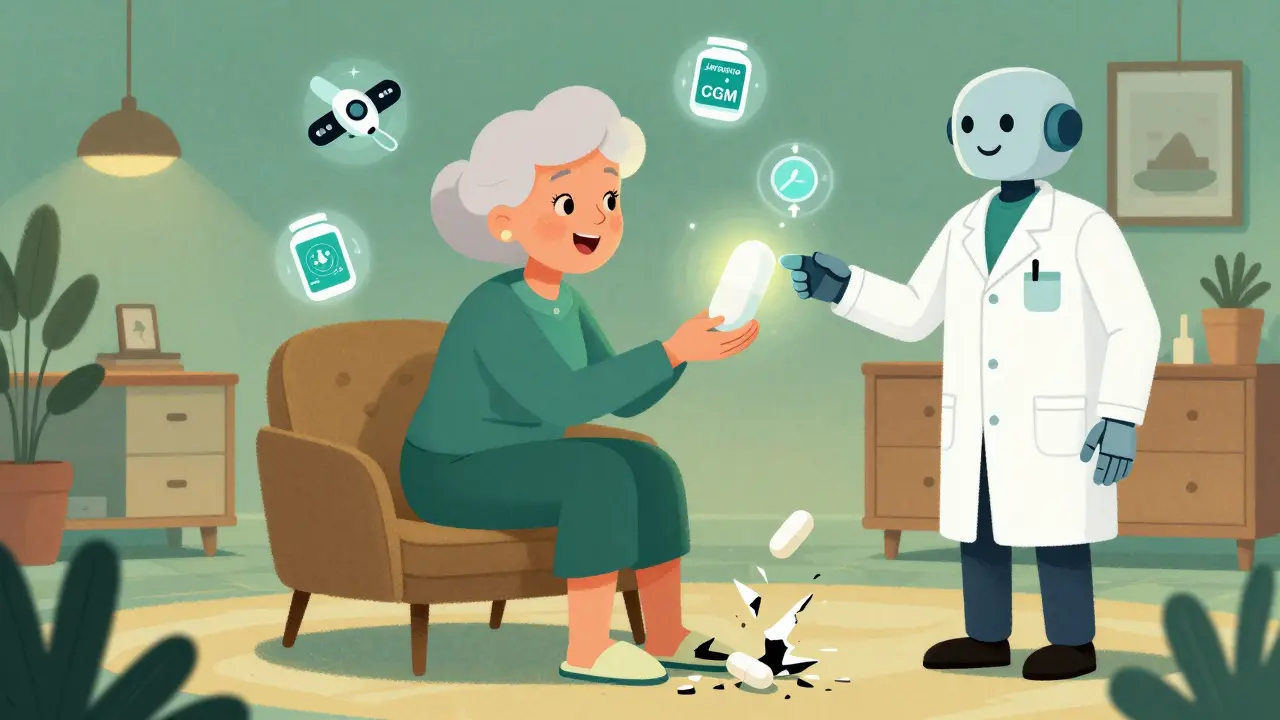
What to Do If You’re on a High-Risk Medication
If you or a loved one is on glyburide, glipizide, or insulin, don’t panic. But do act. Talk to the doctor. Ask: “Is this the safest option for me right now?” Many seniors are on these drugs because they’ve been on them for years and no one ever questioned it. But guidelines changed. Evidence changed. Treatment should too. Switching from glyburide to sitagliptin or linagliptin isn’t just a small change. It’s a safety upgrade. Real patients report dramatic improvements. One 78-year-old woman had three falls from low blood sugar on glyburide. After switching to sitagliptin, she had zero episodes in six months. Another man’s nighttime lows stopped after switching from glipizide to linagliptin. His blood sugar stabilized between 90 and 140-no crashes, no fear. Don’t assume a new medication will be expensive. Many DPP-4 inhibitors are available as generics now. Jardiance and Farxiga also have patient assistance programs. Cost shouldn’t be a barrier to safety.Monitoring and Prevention Beyond Medication
Medication choice is just one piece. You also need to know the signs and how to respond. Early symptoms of low blood sugar include:- Headache
- Dizziness or lightheadedness
- Sweating, shaking, or fast heartbeat
- Hunger or nausea
- Confusion, irritability, or difficulty speaking
- Drowsiness or weakness
Polypharmacy: The Hidden Danger
Seniors often take five, six, or more medications. The average diabetic over 65 takes nearly five prescriptions and two over-the-counter drugs. That’s a recipe for dangerous interactions. Beta-blockers (used for high blood pressure or heart conditions) can hide the warning signs of low blood sugar-like a racing heart. NSAIDs like ibuprofen can boost the effect of sulfonylureas, making lows more likely. Even some antibiotics and antifungals can interfere. A medication review every 3 to 6 months is not optional. It’s essential. Ask for a pharmacist-led medication reconciliation. Studies show these reviews reduce hypoglycemia events by 28%. Pharmacists spot hidden risks doctors miss. Use the STOPP/START criteria-a tool doctors use to find inappropriate or missing medications. It helps cut out the dangerous and add what’s needed. One study showed it cut hospitalizations for low blood sugar by 32%.What the Experts Say
The American Diabetes Association is clear: “For older adults, avoidance of hypoglycemia is a higher priority than achieving near-normal glycemia.” That’s a big shift from the old “lower is better” mindset. Dr. Robert A. Gabbay, Chief Scientific Officer of the ADA, says: “When treating older adults with diabetes, we must consider not just HbA1c but the patient’s functional status, cognitive abilities, and fall risk.” HbA1c targets aren’t one-size-fits-all. For a healthy, active senior, 7.0-7.5% is fine. For someone with multiple health problems, memory issues, or a history of falls, 8.0-8.5% is safer. Tight control isn’t a win if it leads to a broken hip or a trip to the ER.What You Can Do Today
If you’re caring for a senior with diabetes, here’s your action plan:- Check their current diabetes meds. Is it glyburide? Insulin? If yes, talk to the doctor about switching.
- Ask for a full medication review with a pharmacist.
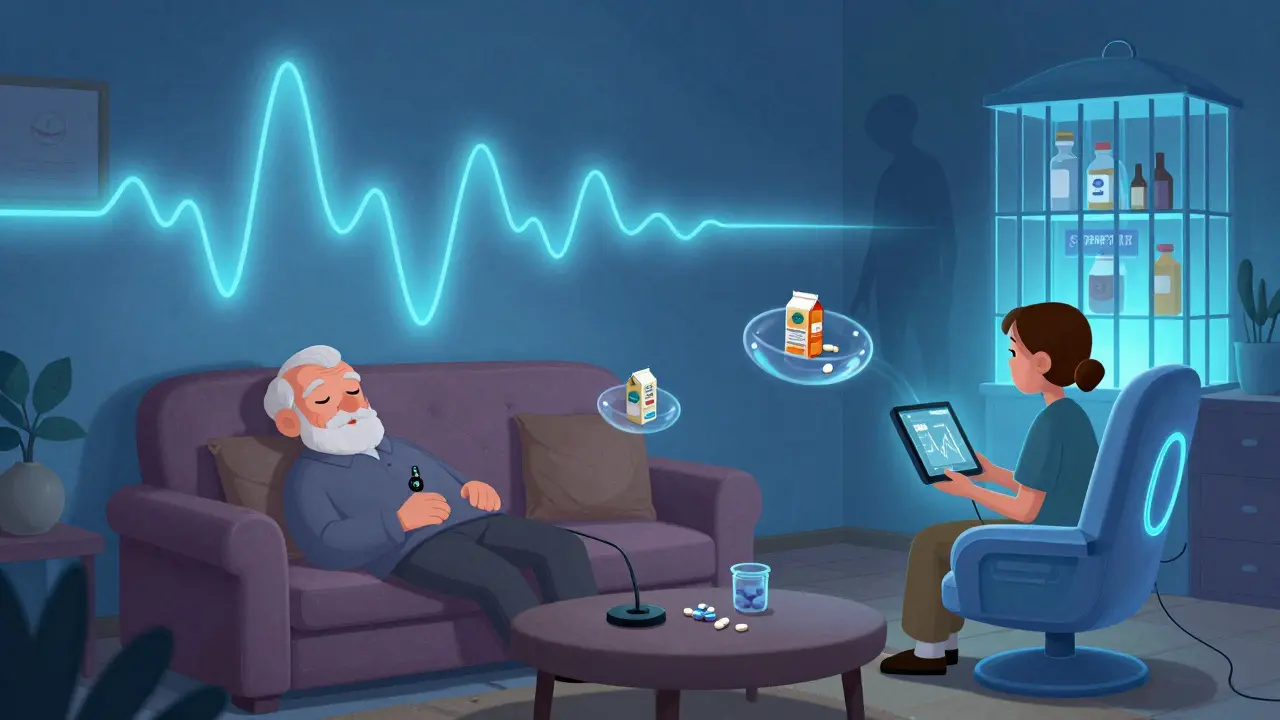
- Request a CGM if they’ve had any lows, even mild ones.
- Teach them-and their caregivers-the signs of low blood sugar.
- Keep glucose tablets or juice in every room they use often.
- Ask about HbA1c targets. Is the goal realistic for their health and lifestyle?
What is the safest diabetes medication for elderly patients?
The safest options for elderly patients are DPP-4 inhibitors like sitagliptin (Januvia) and linagliptin (Tradjenta), and SGLT2 inhibitors like empagliflozin (Jardiance). These drugs rarely cause low blood sugar when used alone. Glyburide is the most dangerous and should be avoided. Metformin is safe for many seniors but requires kidney function checks. Always discuss individual risks with a doctor.
Can seniors take insulin safely?
Insulin can be used in seniors, but it carries a high risk of hypoglycemia, especially if meals are skipped or activity levels change. It increases fall risk by 30%. If insulin is necessary, use long-acting types like glargine or detemir with caution, and pair them with continuous glucose monitoring. Many experts recommend trying safer oral options first.
Why is glyburide dangerous for older adults?
Glyburide has a long half-life and is cleared by the kidneys. As kidney function declines with age, the drug builds up in the body, causing prolonged and unpredictable low blood sugar. Studies show nearly 40% of seniors on glyburide experience hypoglycemia. The American Geriatrics Society lists it as a medication to avoid in older adults due to its high risk of severe, life-threatening lows.
How often should seniors have their diabetes meds reviewed?
Seniors with diabetes should have a full medication review every 3 to 6 months. This includes checking for drug interactions, assessing kidney function, and evaluating whether current drugs are still the safest choice. Pharmacist-led reviews reduce hypoglycemia events by 28% and are strongly recommended by the American Diabetes Association.
What are the signs of low blood sugar in seniors?
Signs include dizziness, confusion, sweating, weakness, headache, hunger, irritability, or a fast heartbeat. But in older adults, these signs often fade. Many don’t feel the warning symptoms at all. That’s why regular blood sugar checks and continuous glucose monitors are essential-even if the person feels fine.
Can continuous glucose monitors help seniors avoid hypoglycemia?
Yes. Seniors using continuous glucose monitors (CGMs) have 65% fewer hypoglycemia events than those using fingersticks alone. CGMs alert users to drops before they become dangerous, even during sleep. They’re especially helpful for those who don’t feel low blood sugar coming. Medicare often covers CGMs for seniors with a history of hypoglycemia.
Kayleigh Campbell
December 16, 2025 AT 00:20So let me get this straight-we’re telling grandmas to swap a $5 pill that’s been keeping them alive for 15 years for a $500 ‘innovation’ that makes them pee sugar? Cool. I’ll believe it when I see a Medicare form that doesn’t require a PhD to fill out. 😒
Kitty Price
December 17, 2025 AT 10:52My Nana switched from glyburide to Januvia last year. No more midnight panic attacks. No more falls. She’s back to gardening and even started knitting again. 🌿🧶
Ron Williams
December 18, 2025 AT 22:48As someone who’s worked with seniors for 20+ years, I’ve seen too many good people get stuck on outdated meds because ‘that’s what the doctor always prescribed.’ The real tragedy isn’t the drug-it’s the system that lets people drift into danger because no one asked the right questions. This post? It’s a lifeline.
Joanna Ebizie
December 19, 2025 AT 12:18Ugh. Another ‘big pharma wants you to buy expensive stuff’ article. Glyburide’s been around since the dinosaurs. If your grandma can’t handle it, maybe she shouldn’t be eating donuts at 2 a.m. 🍩
Colleen Bigelow
December 20, 2025 AT 14:29They’re hiding the truth. The FDA and AMA are in bed with the SGLT2 manufacturers. Why do you think they banned glyburide? Because it’s cheap and effective-and the new drugs? They’re part of a global blood sugar control agenda. You think they care if you live? They care if you buy. 🕵️♀️
Kim Hines
December 22, 2025 AT 00:25My dad’s on linagliptin now. He didn’t even notice the switch. No crashes. No fear. Just… normal. I wish we’d done this sooner.
Cassandra Collins
December 22, 2025 AT 20:44Did you know the CDC secretly tracks all seniors on insulin? They use it to predict which ones will need hospice. That’s why they push CGMs-so they can monitor you 24/7. I’m not paranoid. I’ve read the leaks.
Hadi Santoso
December 23, 2025 AT 13:55Just had a convo with my uncle-he was on glyburide for 12 years. Switched to Jardiance last month. His A1c went from 8.9 to 7.1, no lows, and he’s walking 3 miles a day now. Doc said it’s like giving him back 10 years. Honestly? This stuff matters. 💪
Billy Poling
December 24, 2025 AT 14:20It is imperative to underscore the fact that the pharmacokinetic alterations associated with aging, particularly in renal clearance and hepatic metabolism, necessitate a paradigmatic shift in therapeutic strategy for geriatric diabetic populations. The persistence of sulfonylureas in the systemic circulation, owing to diminished glomerular filtration rates, constitutes a clinically significant hazard that is not merely statistical but existential in nature. It is, therefore, ethically incumbent upon the medical community to prioritize agent selection predicated upon safety profiles over historical precedent or cost-efficiency metrics.
Arun ana
December 25, 2025 AT 14:21My mom in India was on glyburide. We switched her to metformin after her kidney test. She’s fine now. But here, doctors don’t even check kidney function before prescribing. It’s scary. Thank you for writing this.