Cranberry Products and Warfarin: Bleeding Risk Considerations
 Aug, 26 2026
You love your cranberry juice. Maybe you drink it every morning for your urinary tract health, or you pop a few capsules after dinner. But if you take warfarin is a blood thinner medication used to prevent clots, that daily habit might be quietly turning up the volume on your bleeding risk. It’s not just a myth; it’s a documented clinical reality that has caught many patients off guard. When these two meet, your body can’t process the medication as efficiently, leading to dangerously high levels of anticoagulation in your blood. This article breaks down exactly how this happens, what the numbers look like, and how to keep yourself safe without giving up your favorite beverage entirely-unless your doctor says otherwise.
Key Takeaways
- Cranberry products can inhibit the enzyme CYP2C9, which slows down the breakdown of warfarin, causing blood levels to rise.
- The primary danger is an elevated International Normalized Ratio (INR), which indicates your blood takes too long to clot.
- Risks are dose-dependent; large amounts of juice or concentrated supplements pose a higher threat than occasional small servings.
- Genetic factors play a huge role; some people metabolize warfarin slowly by nature, making them more sensitive to this interaction.
- Consistency matters less than avoidance; most experts recommend limiting or stopping cranberry intake while on warfarin.
How Cranberry Interacts with Warfarin
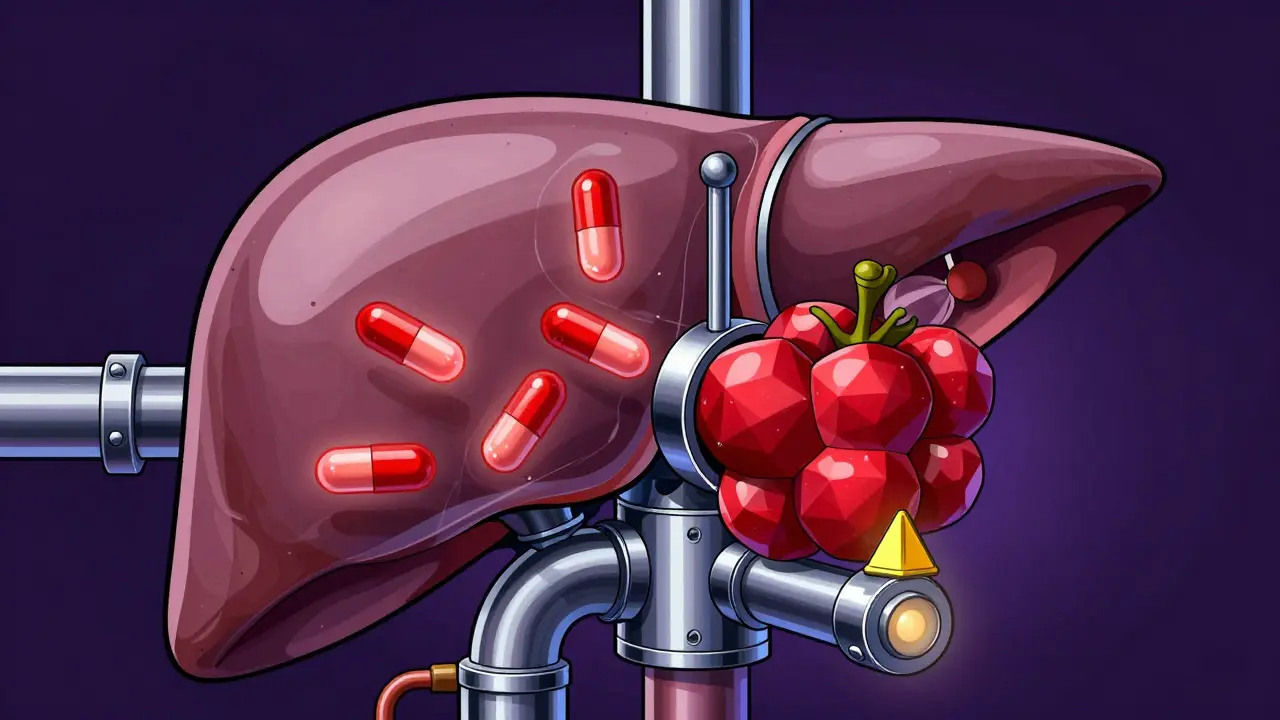
To understand why this combination is risky, you have to look at what happens inside your liver. Warfarin works by blocking vitamin K-dependent clotting factors. However, your body needs to clear warfarin out of your system to maintain a stable balance. This cleanup job is primarily handled by an enzyme called CYP2C9 is a liver enzyme responsible for metabolizing about 70-80% of active warfarin.
Cranberries contain compounds known as flavonoids, specifically quercetin. In laboratory studies, these flavonoids have been shown to inhibit CYP2C9 activity. Think of it like putting a speed bump on a highway. The warfarin still enters your bloodstream, but it moves through your liver much slower because the "exit" is partially blocked. As a result, the concentration of warfarin in your blood stays higher for longer than intended. This isn't about cranberry adding its own blood-thinning effect directly; it's about preventing your body from removing the medicine you've already taken.
This mechanism was first highlighted in case reports around 2003. Since then, researchers have confirmed that the inhibition of CYP2C9 leads to increased systemic exposure to the S-enantiomer of warfarin, which is the more potent form of the drug. For most people, a slight increase might be manageable, but for those already at the upper end of their therapeutic range, it can push them into dangerous territory quickly.
Understanding the Bleeding Risk and INR Levels
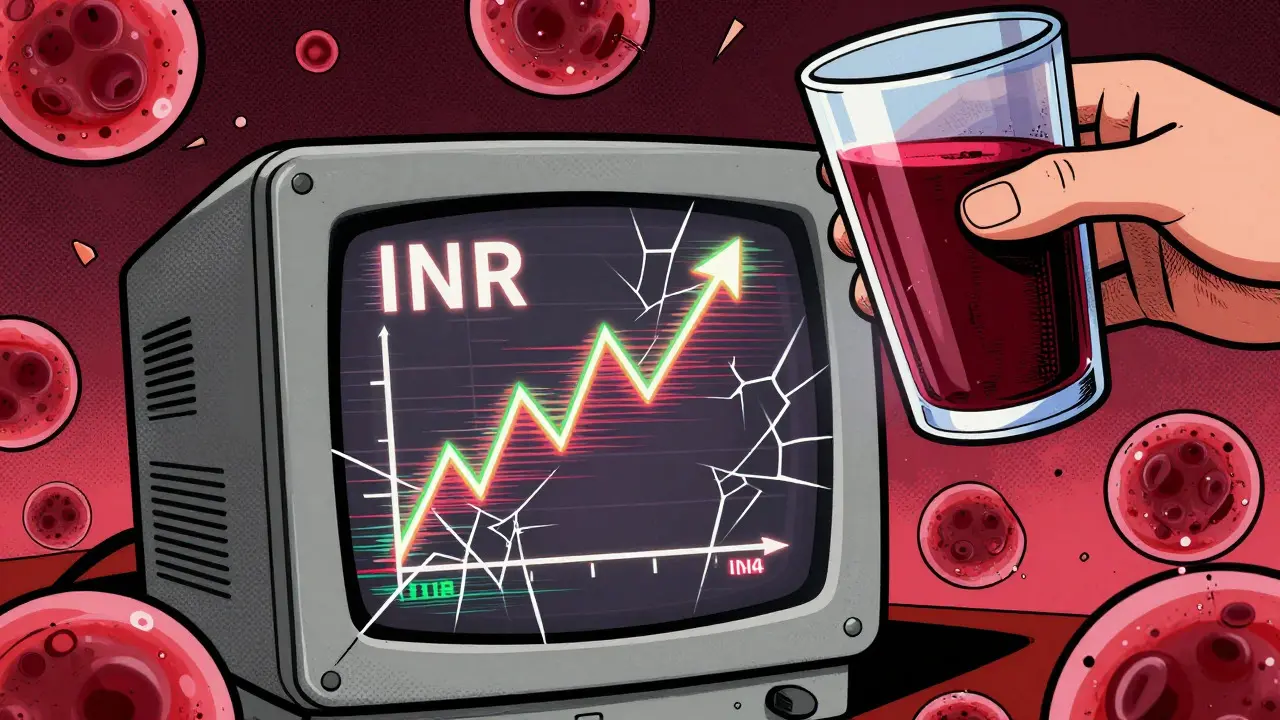
Your healthcare provider monitors your response to warfarin using a test called the INR (International Normalized Ratio). A typical therapeutic range for most conditions, like atrial fibrillation or deep vein thrombosis, is between 2.0 and 3.0. If your INR goes above 3.0, your blood is taking longer than expected to clot. If it hits 4.5 or higher, the risk of spontaneous bleeding increases significantly.
In documented cases of cranberry-warfarin interaction, patients have seen their INR spike dramatically. One notable case involved a 78-year-old man whose INR rose to 6.45 after consuming half a gallon of cranberry-apple juice weekly. Another patient experienced gastrointestinal bleeding after her INR jumped from 2.5 to 8.3 within ten days of daily cranberry juice consumption. These aren't minor fluctuations; they are events that can lead to hospitalization, severe bruising, nosebleeds that won't stop, or internal bleeding.
| Parameter | Normal Therapeutic State | Potential Interaction State |
|---|---|---|
| Typical INR Range | 2.0 - 3.0 | 4.5 - 12.0 (documented extremes) |
| Bleeding Risk Level | Managed/Low | Elevated to High |
| Time to Onset | N/A | 3 - 7 days after starting cranberry |
| Resolution Time | N/A | 5 - 7 days after stopping cranberry |
Which Cranberry Products Are Most Dangerous?
Not all cranberry products carry the same weight. The risk correlates heavily with the concentration of active polyphenols and the volume consumed. Here is how different forms stack up:
- 100% Cranberry Juice: This is the most common culprit. Because it contains the full spectrum of fruit compounds, drinking large volumes (like 240 mL or more per day) introduces significant amounts of inhibiting flavonoids.
- Cranberry Extracts and Capsules: These are concentrated. A single capsule might contain the equivalent of several cups of juice in terms of active compounds. If you take multiple pills daily, the cumulative effect on CYP2C9 can be substantial.
- Sweetened Cocktails: While often perceived as milder due to added sugar, these can still contain high concentrations of cranberry pulp and skins, where many polyphenols reside. Don't let the sweet taste fool you into thinking it's safer.
- Dried Cranberries: Generally considered lower risk than juice or extracts because the water content is removed, reducing the immediate bioavailability of certain compounds. However, eating large quantities regularly could still pose a mild risk for sensitive individuals.
The FDA updated labeling requirements in 2005 to warn patients about this specific interaction. Yet, consumer demand remains high. With the global cranberry market valued at over $2 billion, and sales growing steadily, many people continue to consume these products without realizing the potential clash with their prescription medications.
Who Is Most At Risk?
If you take warfarin, you are in the risk group, but some people are more vulnerable than others. Your genetic makeup plays a critical role in how your body handles both warfarin and the cranberry compounds.
Specific variants of the CYP2C9 gene, such as *CYP2C9*2 and *CYP2C9*3, cause the enzyme to work less efficiently. People with these variants already need lower doses of warfarin to achieve therapeutic levels. When you add cranberry-induced inhibition on top of genetically reduced metabolism, the drop in clearance can be dramatic. Research suggests these individuals may experience 2 to 3 times greater INR elevations compared to normal metabolizers.
Age is another factor. Older adults often have decreased liver function and may be on multiple medications, increasing the complexity of drug interactions. Additionally, if you are already near the upper limit of your INR range (e.g., 2.8 or 2.9), even a small push from cranberry consumption can tip you over into the danger zone. Conversely, if your INR is consistently low (around 2.0), you might tolerate small amounts better, but it is never guaranteed.
Practical Steps for Safe Management
So, do you have to give up cranberries forever? Not necessarily, but you need a strategy. Here is how to navigate this safely:
- Talk to Your Doctor First: Before changing your diet, mention your cranberry habits to your hematologist or prescriber. They know your specific INR history and genetic profile.
- Limit Intake: If your doctor approves moderate consumption, stick to small, consistent amounts. Avoid bingeing on juice or loading up on supplements before a scheduled INR check.
- Monitor More Frequently: If you decide to keep cranberry in your routine, expect to get your INR checked more often. Instead of monthly checks, you might need weekly tests for the first month to ensure stability.
- Watch for Symptoms: Be alert for signs of excessive bleeding: unusual bruising, pink or dark urine, black tarry stools, or prolonged bleeding from cuts. If you notice these, stop the cranberry and call your doctor immediately.
- Consider Alternatives: If you use cranberry for UTI prevention, ask your doctor about alternatives like methenamine hippurate or probiotics, which don't interact with warfarin.
Consistency is key if you choose to continue. Drastic changes in diet can cause INR fluctuations. If you drink one cup a day, try to keep it that way rather than switching between zero and three cups. Stability helps your care team manage your dosage accurately.
Frequently Asked Questions
Can I drink a small amount of cranberry juice occasionally?
For most patients, occasional small servings (like 4 ounces once a week) are generally considered low risk, provided your INR is stable. However, regular daily consumption is where the risk accumulates. Always consult your healthcare provider to determine what "small" means for your specific metabolic profile.
Does dried cranberry count as a risk factor?
Dried cranberries pose a lower risk than juice or extracts because they contain less liquid and potentially fewer bioavailable polyphenols. However, if you eat large handfuls daily, the cumulative effect of the sugars and remaining compounds could still impact your INR. Moderation is the safest approach.
How long does it take for the interaction to resolve?
Once you stop consuming cranberry products, the inhibition of CYP2C9 usually lifts within a few days. Clinical cases show that INR levels typically return to the therapeutic range within 5 to 7 days after discontinuation, assuming no other dietary changes occur.
Are there other foods that interact with warfarin like cranberry?
Yes. Leafy greens high in Vitamin K (like spinach and kale) can reduce warfarin's effectiveness, while grapefruit juice can also inhibit CYP enzymes. Consistency with all dietary choices is crucial. Unlike cranberry, which increases risk, Vitamin K-rich foods decrease it, but both require management.
Should I switch to a different blood thinner to avoid this issue?
Many doctors are moving patients to Direct Oral Anticoagulants (DOACs) like apixaban or rivaroxaban, which have fewer food interactions. However, warfarin remains necessary for some conditions, such as mechanical heart valves. Whether you can switch depends on your medical history and should be decided by your cardiologist or hematologist.