Aminoglycoside Antibiotics and Kidney Damage: Understanding Nephrotoxicity Risks
 Jul, 3 2026
Aminoglycoside Nephrotoxicity Risk Estimator
Disclaimer: This tool is for educational purposes only. It estimates general susceptibility based on clinical data but does not replace professional medical advice.
Risk Assessment
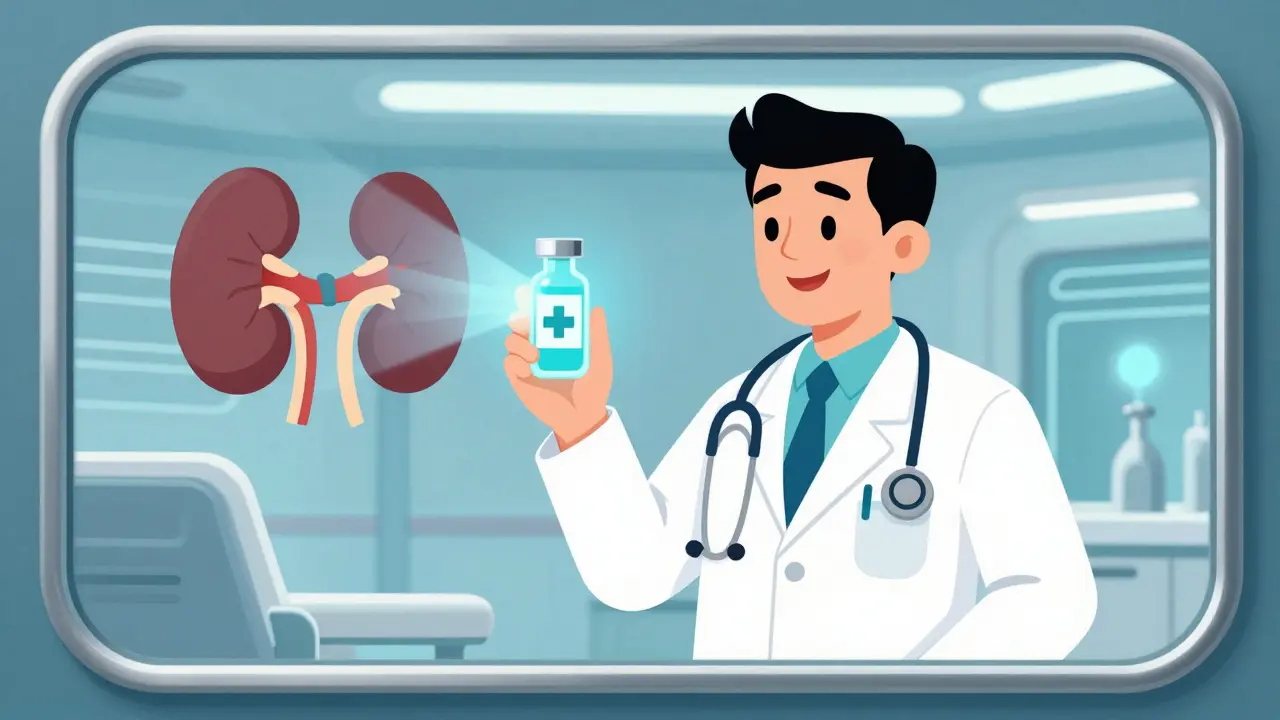
You have been prescribed a powerful antibiotic for a serious infection. It works fast, but it comes with a hidden cost that affects one in five patients. Aminoglycoside antibiotics are a class of potent bactericidal drugs primarily used against Gram-negative bacterial infections, known for their significant risk of dose-dependent nephrotoxicity. While they save lives by fighting resistant bacteria, they can silently damage your kidneys. This condition, called nephrotoxicity, is not just a side note in the patient information leaflet; it is a critical clinical challenge that doctors manage daily.
The good news? You don’t have to accept this risk blindly. By understanding how these drugs work, recognizing the early warning signs, and knowing the specific strategies doctors use to protect your renal function, you can stay safer during treatment. Let’s look at what happens inside your body when you take medications like gentamicin, tobramycin, or amikacin.
How Aminoglycosides Damage the Kidneys
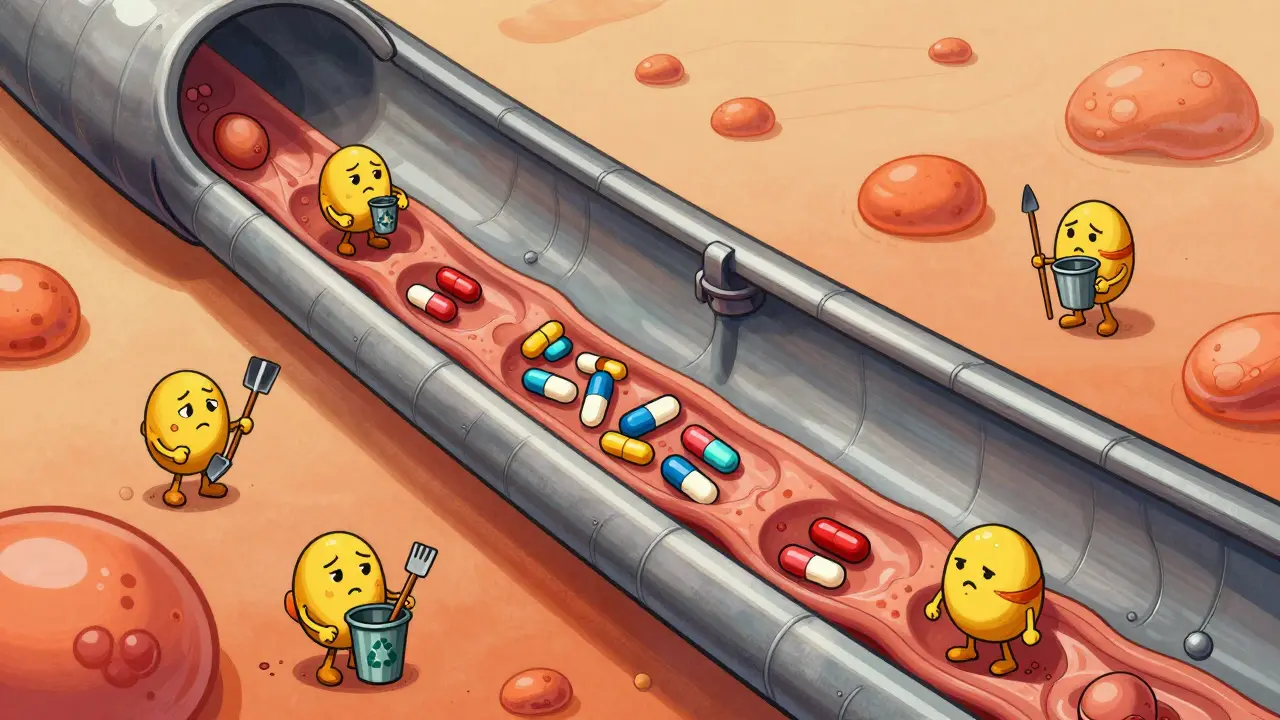
To understand the danger, we need to look at the microscopic level. When you receive an aminoglycoside injection, your kidneys filter the blood to remove waste. However, about 5% of the drug does not leave your body immediately. Instead, it gets trapped in the epithelial cells lining the proximal tubules-specifically the S1 and S2 segments. These are the tiny tubes responsible for reabsorbing nutrients and water back into your bloodstream.
Once inside these cells, the antibiotic accumulates in lysosomes and endosomal vacuoles. Think of lysosomes as the cell’s recycling center. The aminoglycoside binds to negatively charged phospholipids in the cell membrane, disrupting the normal function of enzymes like phospholipase. This disruption leads to the formation of myeloid bodies-enlarged, dysfunctional lysosomes that clog up the cell. Over time, this causes cellular stress, oxidative damage, and eventually, cell death (apoptosis). The result is a decline in your kidney’s ability to filter blood efficiently.
This process was detailed extensively by Lopez-Novoa et al. in Kidney International (2011), which showed that the damage isn't just about clogged tubes. It involves a complex cascade including renal vasoconstriction (narrowing of blood vessels) and mesangial contraction, which reduces blood flow to the filtering units of the kidney.
Recognizing the Signs of Nephrotoxicity
Kidney damage from aminoglycosides rarely happens overnight. It typically develops after 5 to 7 days of continuous therapy. Because the damage is gradual, you might not feel pain. Instead, the signs show up in your lab results. Here is what medical professionals watch for:
- Rising Serum Creatinine: A slow increase in creatinine levels (often ≥0.5 mg/dL above baseline) indicates that your glomerular filtration rate (GFR) is dropping.
- Electrolyte Imbalances: Your urine may start losing essential minerals. Look out for low levels of magnesium (hypomagnesemia), potassium, sodium, and calcium in your blood tests.
- Proteinuria: Small proteins like beta-2-microglobulin and lysozyme appear in the urine because the damaged tubules can no longer reabsorb them properly.
- Nonoliguric Renal Failure: Unlike other types of kidney failure where urine output drops significantly, aminoglycoside toxicity often allows you to still produce urine (>400 mL/day), even though the quality of filtration is poor.
If you are on long-term IV antibiotics, ask your doctor if these markers are being checked regularly. Early detection is the key to preventing permanent damage.
Who Is at Higher Risk?
Not everyone reacts the same way. Some people have a higher susceptibility to acute kidney injury (AKI) caused by these drugs. According to data from the American Society of Nephrology (2022), aminoglycoside nephrotoxicity accounts for about 15% of all antibiotic-associated AKI in hospitalized patients. You are at higher risk if you fall into any of these categories:
| Risk Factor | Impact on Risk | Why It Matters |
|---|---|---|
| Pre-existing Renal Impairment | 3.2-fold increase | If your baseline eGFR is <60 mL/min/1.73m², your kidneys have less reserve to handle the toxin load. |
| Advanced Age (>65 years) | Moderate increase | Aging kidneys naturally have reduced blood flow and fewer functioning nephrons. |
| Concomitant Vancomycin Use | 2.7-fold increase | Combining two nephrotoxic drugs creates a synergistic damaging effect on tubular cells. |
| Volume Depletion | High increase | Dehydration concentrates the drug in the kidneys and reduces blood flow, worsening toxicity. |
| Prolonged Therapy (>7 days) | Significant increase | Longer exposure allows more drug to accumulate in proximal tubule cells. |
If you have any of these factors, your healthcare provider should be extra vigilant. For example, a 2019 meta-analysis in Clinical Infectious Diseases highlighted that combining vancomycin and gentamicin significantly spikes the risk compared to using either drug alone.
Dosing Strategies That Protect Your Kidneys
One of the biggest breakthroughs in reducing kidney damage has been changing how the drug is given. In the past, aminoglycosides were given multiple times a day (e.g., every 8 hours). Today, the standard of care, recommended by the European Society of Clinical Microbiology and Infectious Diseases (2023), is once-daily dosing (also known as extended-interval dosing).
Why does this help? Research by Rougier et al. (2003) showed that once-daily administration produces less rapid onset of nephrotoxicity and shorter duration of damage compared to thrice-daily schedules. The theory is that the kidneys clear the drug quickly, leaving a "drug-free interval" where the proximal tubule cells can recover before the next dose hits. Additionally, some studies suggest timing matters: administering the dose in the afternoon (around 1:30 p.m.) may align with circadian rhythms that make kidneys slightly more resilient, though this is less commonly applied in practice than the once-daily schedule itself.
Your doctor will also monitor your trough levels-the amount of drug left in your blood right before the next dose. For gentamicin, keeping trough levels below 1 μg/mL is crucial. High trough levels mean the drug is lingering in your system, increasing the chance it will soak into your kidney tissue.
Can You Prevent or Reverse the Damage?
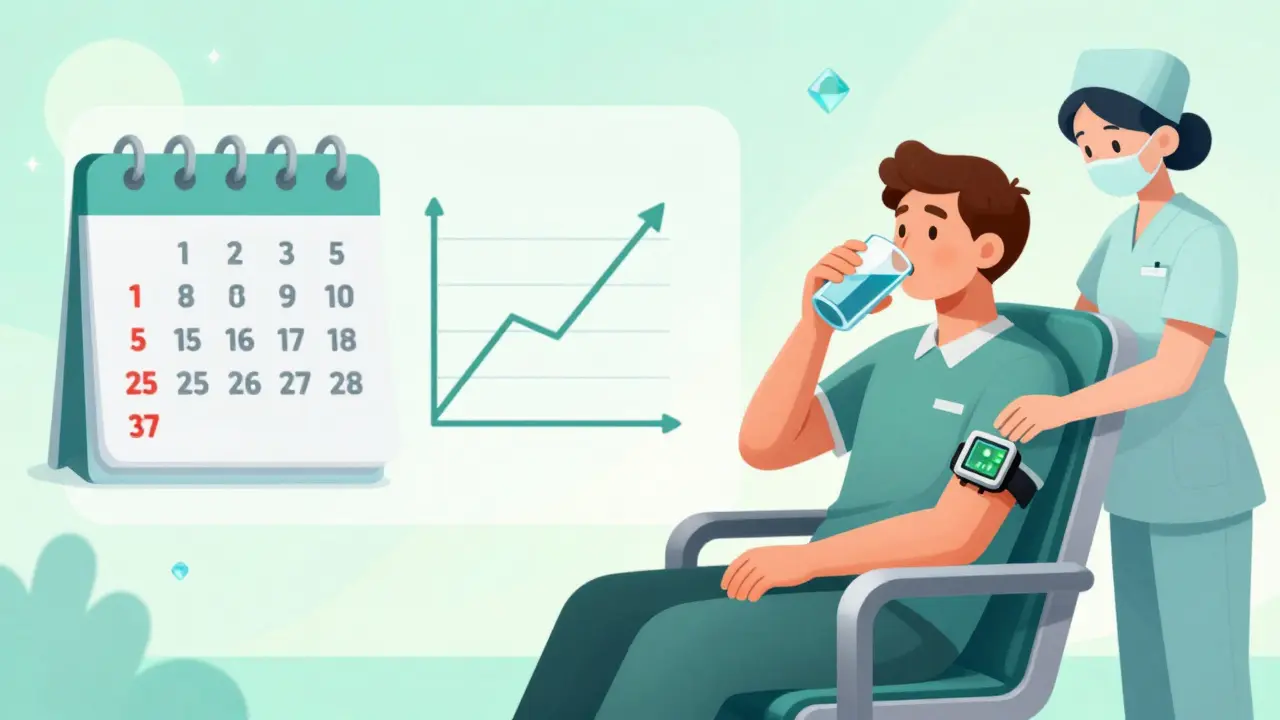
The best prevention is strict monitoring. Guidelines recommend checking serum creatinine every 48 to 72 hours during treatment. If levels rise, doctors may adjust the dose, extend the interval between doses, or switch to a different antibiotic if the infection allows.
What about protective drugs? Scientists have studied polyaspartic acid as a potential shield. Mingeot-Leclercq (1999) demonstrated that polyaspartic acid prevents aminoglycosides from binding to kidney membranes, effectively blocking the initial step of toxicity. Animal studies showed it protected against phospholipidosis and cell death. However, as of 2026, no pharmacological protectant is approved for routine clinical use in humans. Phase II trials for modified polyaspartate compounds are underway, but until then, hydration and careful dosing remain your best defenses.
If damage does occur, don’t panic. The kidneys have a remarkable ability to heal. Most cases of aminoglycoside-induced nephrotoxicity are reversible. Recovery usually begins 3 to 5 days after stopping the drug. Complete functional recovery typically takes 1 to 3 weeks. A 2021 study at Mayo Clinic found that 82% of patients who developed AKI from aminoglycosides showed partial or complete recovery within 30 days of discontinuation. However, some patients may experience a permanent slight reduction in renal function, so follow-up testing is essential.
Frequently Asked Questions
How long does it take for aminoglycosides to cause kidney damage?
Nephrotoxicity typically develops after 5 to 7 days of continuous therapy. It is rarely immediate. Early signs include subtle changes in electrolyte levels (like low magnesium) before serum creatinine rises significantly. This delayed onset is why regular blood tests during treatment are critical.
Is gentamicin more dangerous to kidneys than amikacin?
Yes, generally speaking. Gentamicin has a higher nephrotoxic potential compared to amikacin at clinically equivalent doses. Both drugs share the same mechanism of accumulating in proximal tubule cells, but gentamicin tends to bind more aggressively to renal tissues. Amikacin is often preferred when multidrug-resistant organisms are suspected and kidney safety is a major concern, provided the bacteria are susceptible to it.
Can I drink more water to prevent kidney damage from these antibiotics?
Staying well-hydrated is important, but drinking excessive amounts of water on your own is not a proven strategy to prevent nephrotoxicity. In fact, fluid balance must be carefully managed, especially in hospitalized patients. Dehydration increases risk, so maintaining normal hydration status is key. Always follow your doctor’s advice on fluid intake rather than self-prescribing large volumes of water.
Will my kidney function return to normal after stopping the medication?
In most cases, yes. Aminoglycoside-induced nephrotoxicity is usually reversible. Recovery typically starts within 3-5 days of discontinuation, with full recovery taking 1-3 weeks. However, individuals with pre-existing kidney disease or those who experienced severe acute injury may have some permanent reduction in renal function. Follow-up testing is recommended to ensure full recovery.
Why do doctors still use aminoglycosides if they harm the kidneys?
Aminoglycosides remain indispensable for treating life-threatening infections caused by multidrug-resistant Gram-negative bacteria, such as Pseudomonas aeruginosa or Acinetobacter. For many patients, these are the only effective options available. The benefit of curing a potentially fatal infection outweighs the manageable risk of temporary kidney stress, provided that strict monitoring protocols (like once-daily dosing and frequent blood tests) are followed.
What is the difference between oliguric and nonoliguric renal failure?
Oliguric renal failure means very little urine is produced (usually less than 400 mL per day). Nonoliguric renal failure, which is characteristic of aminoglycoside toxicity, means urine output remains relatively normal or high, even though the kidneys are failing to filter waste products properly. This makes nonoliguric failure harder to detect without blood tests, as the patient may not notice a change in bathroom habits.