Adjusting Medication Dose: Finding Your Optimal Balance of Benefits and Risks
 Feb, 23 2026
Medication Dose Adjuster
Adjust Your Medication Dose
This tool helps estimate adjusted medication doses based on key factors like kidney function, age, and weight. It's especially important for Narrow Therapeutic Index (NTI) drugs where small dose changes can be dangerous.
Enter your information to see your adjusted dose.
Why Dose Adjustment Matters
This calculator uses clinical guidelines to estimate dose adjustments based on kidney function (creatinine clearance), age, and weight. For NTI drugs like warfarin or digoxin, even small changes in dose can lead to serious side effects or treatment failure. Always consult your doctor before making any medication changes.
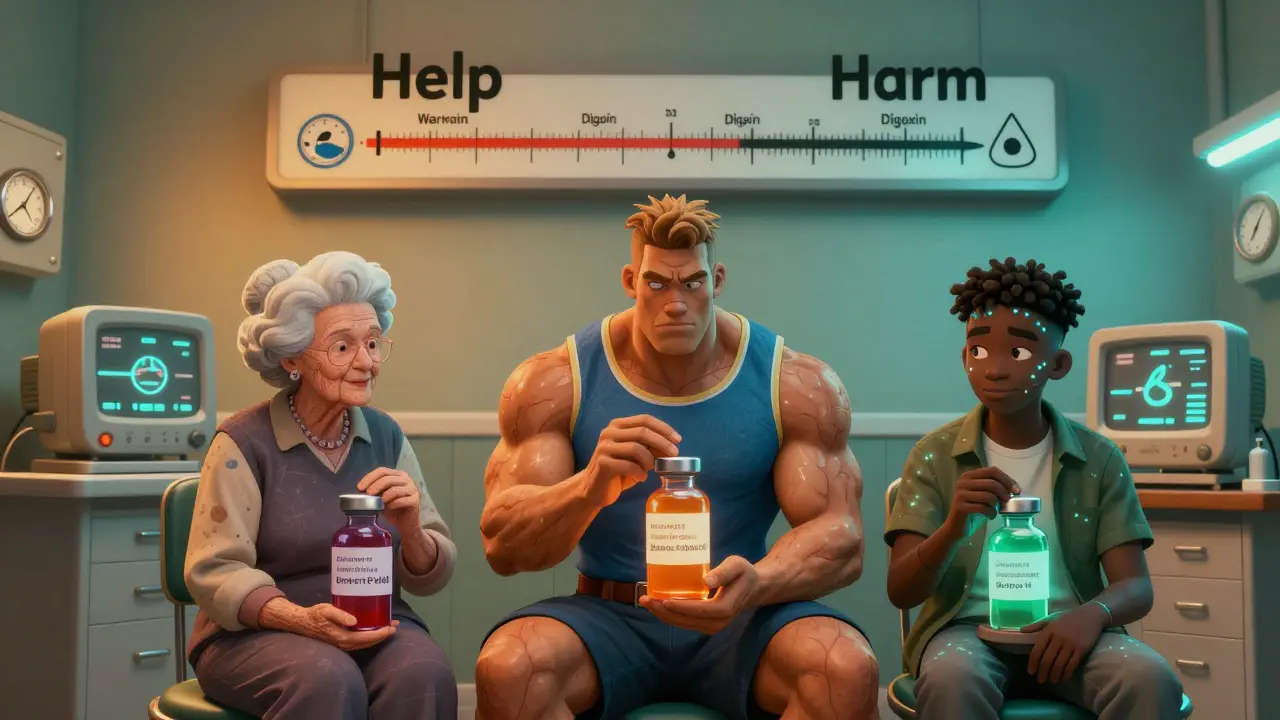
Getting the right dose of medication isn’t just about following the label. It’s about matching your body’s needs with the drug’s effects - and that’s not one-size-fits-all. Too little, and the medicine doesn’t work. Too much, and you risk serious side effects - even death. For some drugs, the line between help and harm is razor-thin. This is where medication dose adjustment becomes critical.
Why One Dose Doesn’t Fit Everyone
You might assume that if a doctor prescribes 10 mg of a drug, everyone takes 10 mg. But that’s not how it works. A 200-pound athlete and a 110-pound elderly woman with kidney issues need completely different amounts of the same drug. Even two people of the same weight might need different doses because of how their bodies process medication. The science behind this goes back to the 1930s, when researchers like Harry Gold and Walter Friedberg defined the therapeutic index: the ratio between the dose that causes harm and the dose that helps. If that ratio is low - say, 2 or 3 - the drug is considered a Narrow Therapeutic Index (NTI) drug. These include warfarin, digoxin, phenytoin, and lithium. A tiny change in dose can mean the difference between control and crisis. For example, digoxin: just two and a half times the normal dose can be fatal in half of patients. For drugs with a higher therapeutic index - like penicillin or most antidepressants - there’s more room for error. But even then, individual factors matter. Your age, weight, liver function, kidney health, and even your genes can change how your body handles medication.The Hidden Factors That Change Your Dose
Doctors don’t guess. They use real data. Here’s what they look at:- Kidney function: Creatinine clearance is measured. If your kidneys are slow, drugs that leave the body through urine (like gabapentin or metformin) build up. A 70-year-old with mild kidney decline might need 30% less of certain drugs.
- Liver health: The liver breaks down most medications. If you have cirrhosis, even standard doses can become toxic. Tools like Child-Pugh scores help adjust doses for drugs like statins or opioids.
- Body weight: For obese patients, dosing isn’t based on total weight. Instead, doctors use ideal body weight plus 40% of excess weight. This matters for antibiotics, anticoagulants, and chemotherapy.
- Age: Older adults metabolize drugs slower. Many geriatric patients need 20-30% lower doses. This isn’t just about frailty - it’s about how organs change with age.
- Genetics: About 25% of commonly used drugs are affected by gene variations. For example, CYP2D6 and CYP2C19 enzymes determine how fast you break down antidepressants, beta-blockers, or codeine. Some people are ultra-rapid metabolizers - they clear the drug too fast. Others are slow, and even low doses can overdose them.
- Other medications: Polypharmacy - taking five or more drugs - increases the risk of dangerous interactions. One drug can block the metabolism of another, causing toxic buildup. This is especially dangerous with NTI drugs.
NTI Drugs: The High-Stakes Zone
Not all drugs need constant monitoring. But NTI drugs? They demand it. Warfarin, for example, prevents clots - but too much causes bleeding. Too little, and you’re at risk of stroke. Patients on warfarin get regular INR blood tests every 2-4 weeks. The goal? Keep the INR between 2.0 and 3.0. A single INR of 5.0 means bleeding risk spikes. A value of 1.5 means the drug isn’t working. Digoxin, used for heart rhythm, has an even narrower window. Potassium levels, diet (like eating lots of bananas or salt substitutes), and kidney changes can push digoxin into toxic range. Symptoms? Nausea, blurry vision, irregular heartbeat. Many elderly patients end up in the ER because their dose wasn’t adjusted after a bout of diarrhea or a new antibiotic. Phenytoin, an old seizure drug, is another example. Its levels must be checked regularly. A small change in liver enzyme activity - maybe from starting or stopping another drug - can double phenytoin concentration overnight. Studies show that drug-related problems are far more common with NTI drugs. A Norwegian hospital study found these drugs were behind most medication errors - not because of prescribing mistakes, but because of missed monitoring and unadjusted doses.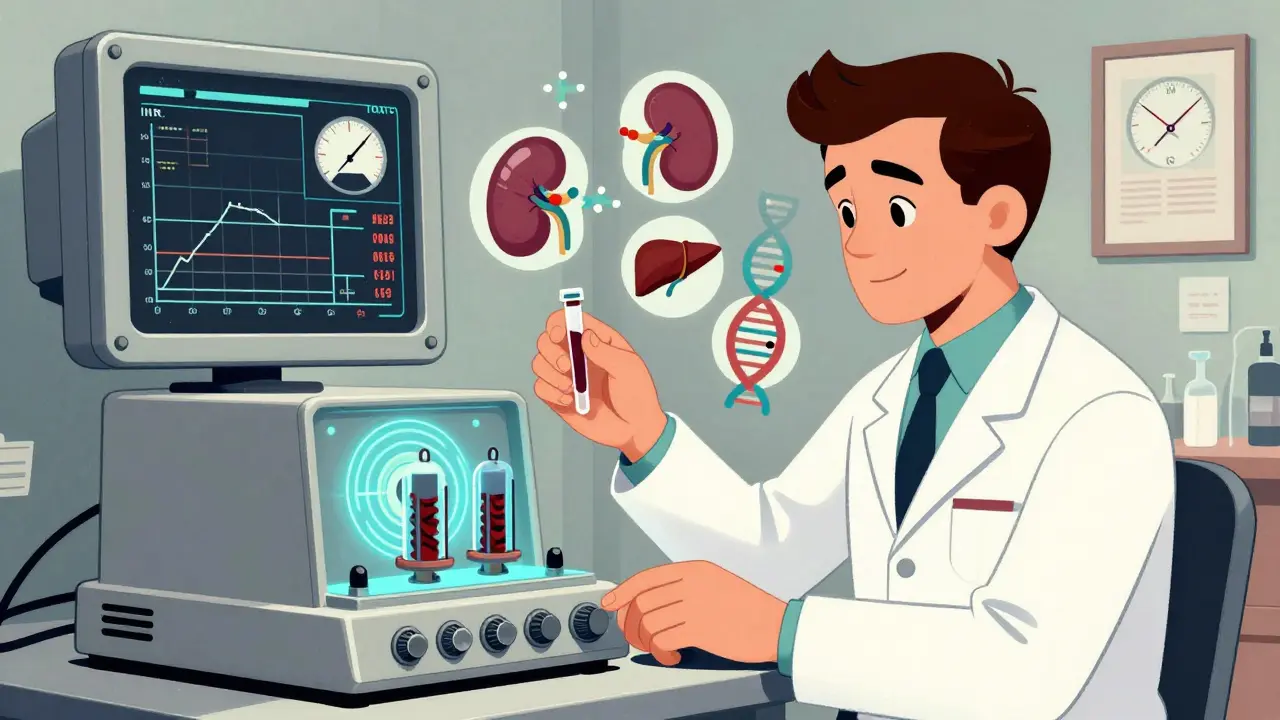
What Happens When Dosing Is Wrong?
Underdosing can be just as dangerous as overdosing. If you’re on warfarin and your dose is too low, you might have a stroke. If you’re on thyroid medication and it’s too low, your heart rate stays high, your cholesterol climbs, and fatigue never lifts. In cancer care, underdosing chemotherapy can mean the difference between remission and progression. Overdosing? It’s worse. Digoxin toxicity can cause fatal arrhythmias. Lithium overdose leads to tremors, confusion, seizures, and kidney failure. Even common drugs like acetaminophen can cause liver failure if taken in excess - especially if someone is also on antiseizure meds that speed up its metabolism. The real tragedy? Many of these events are preventable. Studies show that pharmacist-led dose management reduces medication errors by 35% and hospitalizations by 22% in older adults on multiple drugs.How Dosing Decisions Are Made - and Where They Fall Short
Drug labels give a standard dose. But that dose? It’s based on clinical trials - and those trials almost never include older adults, pregnant women, or people with multiple chronic illnesses. The FDA itself admits this. In 2021, NIH researchers pointed out: “Adult dose selection may be guesswork for a patient who has characteristics at the extremes of size or age, is pregnant, or who is medically complex.” That’s why a 75-year-old with kidney disease and three heart conditions might be given a dose meant for a healthy 50-year-old. It’s not negligence - it’s a system built on averages, not individuals. Even when guidelines exist, they’re often too broad. For example, cholesterol guidelines once pushed high-dose statins for everyone at high risk. But research from Oregon State University found the benefit was tiny - and the risk of muscle pain, liver issues, or diabetes increased. Many patients were overmedicated.What’s Changing: The Rise of Precision Dosing
The old way - trial and error - is fading. Today, precision dosing is gaining ground. In 2019, the FDA and the University of North Carolina held a landmark meeting on precision dosing. They called it a potential “third major milestone” in drug regulation - after safety in 1938 and efficacy in 1962. Now, tools are emerging:- Pharmacogenomic testing: Some clinics now test for CYP450 variants before prescribing antidepressants or pain meds. Results can tell you if you need 50% less or 200% more.
- AI-powered dosing software: Companies like DoseMe and InsightRX use algorithms that combine age, weight, kidney function, genetics, and other meds to predict the best dose. These tools improve accuracy by 25-40% over traditional methods.
- Therapeutic drug monitoring (TDM): Blood tests to measure drug levels are becoming more common - not just for NTI drugs, but also for antibiotics, antivirals, and even some psychiatric meds.
- Pharmacist-led clinics: Anticoagulation clinics run by pharmacists have cut major bleeding events in warfarin users by 60%. Pharmacists know the drugs, the interactions, and how to adjust.
What You Can Do
You don’t need to be a doctor to help manage your dose. Here’s how to take control:- Know your meds: Keep an updated list of everything you take - including supplements and OTC drugs. Bring it to every appointment.
- Ask about monitoring: If you’re on warfarin, lithium, digoxin, or phenytoin, ask: “How often should my levels be checked?”
- Report side effects: Don’t wait for your next appointment. If you feel dizzy, nauseous, confused, or have unusual bruising - call your provider.
- Ask about deprescribing: Are you on five or more drugs? Ask: “Is there one I can stop?” The American Academy of Family Physicians says reducing pill burden cuts side effects and saves money.
- Get a pharmacist involved: Many pharmacies now offer medication reviews. They can spot interactions, suggest dose changes, and explain timing and food effects.
What’s Next?
The future of dosing is personal. Within the next decade, we’ll likely see:- Genetic testing before prescribing for high-risk drugs
- Real-time dosing apps that adjust based on lab results and symptoms
- AI systems that predict how you’ll respond to a new drug based on your history
The goal isn’t just to take a pill. It’s to take the right pill, at the right dose, at the right time - and to know when to stop.
What is a Narrow Therapeutic Index (NTI) drug?
An NTI drug has a very small difference between the dose that works and the dose that causes harm. The therapeutic index is 2-3 or lower. Examples include warfarin, digoxin, phenytoin, and lithium. Even small changes in dose or body function can lead to serious side effects or treatment failure. These drugs require careful monitoring and frequent dose adjustments.
Can I adjust my own medication dose?
No. Never change your dose without talking to your doctor or pharmacist. Even small changes can be dangerous, especially with NTI drugs. If you feel your medication isn’t working or is causing side effects, report it - don’t guess. Your provider has tools to safely adjust your dose based on your unique health profile.
Why do I need blood tests if I’m on a long-term medication?
Blood tests measure how much of the drug is in your system. This is critical for NTI drugs because the difference between a helpful and harmful level is tiny. Levels can change due to aging, kidney or liver changes, new medications, or even diet. Regular testing ensures your dose stays safe and effective - it’s not about checking if you’re “doing it right,” but about adapting to how your body changes.
How do I know if I’m on too many medications?
If you take five or more medications regularly, you’re in the polypharmacy range. This increases your risk of side effects, interactions, and hospitalization by up to 300%. Ask your doctor or pharmacist for a medication review. They can identify drugs that may no longer be needed, or that interact dangerously with others. Reducing unnecessary pills improves safety and quality of life.
Can genetics affect how I respond to medication?
Yes. About 25% of commonly prescribed drugs are affected by genetic differences in how your body breaks them down. For example, some people metabolize codeine too quickly and get dangerous levels of morphine. Others process antidepressants so slowly that standard doses cause side effects. Pharmacogenetic testing can identify these patterns and help tailor your dose - but it’s not yet routine. Ask if it’s right for you.
tia novialiswati
February 23, 2026 AT 15:35Love this breakdown! Seriously, so many people don’t realize how much their body changes over time. I’ve been on warfarin for 5 years and my dose has shifted 3 times just from aging and a new thyroid med. Always ask your pharmacist-they’re the real MVPs. 💪❤️
Lillian Knezek
February 23, 2026 AT 23:48They say genetics matter... but what if the whole system is rigged? I’ve seen people get overdosed on lithium and then blamed for ‘not following instructions.’ Big Pharma knows exactly how narrow that window is. They profit when you’re in the ER. Watch the labs. Watch the labels. Watch the clock. 🕵️♀️
Christopher Brown
February 24, 2026 AT 17:31Why are we even talking about this? If you can’t follow a prescription, don’t take it. Simple. Your body isn’t special. The drug works for 90% of people. The rest? They’re just bad at life. Stop overcomplicating medicine.
Jacob Carthy
February 26, 2026 AT 08:45Man I just got prescribed digoxin last month and I had no idea how dangerous it is. One doc said 0.125mg and then another said 0.0625. I was like wtf. Ended up seeing a pharmacist and she told me to wait 2 weeks and get my levels checked. Saved my life probably
Lisandra Lautert
February 27, 2026 AT 11:05Overdosing on acetaminophen? That’s not a mistake. That’s negligence. Especially when combined with antiseizure meds. If you’re taking more than 3,000 mg/day, you’re playing Russian roulette with your liver. And no, ‘I’ve done it before’ doesn’t count.
Cory L
February 28, 2026 AT 16:34Bro this post hit different. I used to think meds were like coffee-take a pill, feel better. Then my cousin went into a coma from a ‘standard’ dose of phenytoin. Turns out her liver enzyme was a slowpoke. Now I’m all about pharmacogenomics. It’s like having a cheat code for your body. Mind blown. 🤯
Bhaskar Anand
March 2, 2026 AT 07:22William James
March 3, 2026 AT 10:16One thing I keep thinking about: what if the real problem isn’t the drugs... but the idea that medicine should be static? We treat our bodies like machines that don’t age, don’t change, don’t get sick with something new. But we’re alive. We breathe, we sleep, we eat, we stress. So why do we expect our dose to stay the same? Maybe the real breakthrough isn’t the test... it’s the mindset. We need to stop seeing meds as fixed-and start seeing them as conversation.