ADHD Treatment: Stimulants, Non-Stimulants, and Behavioral Strategies That Work
 Dec, 4 2025
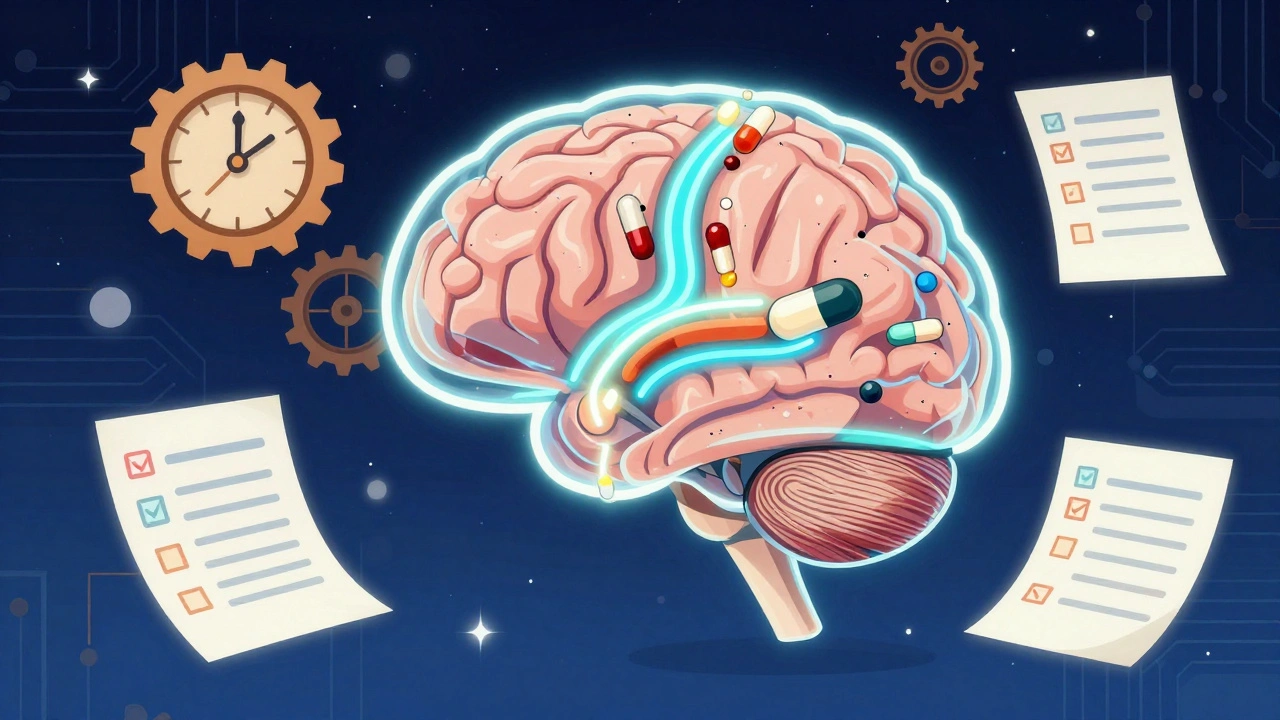
When you’re struggling to focus, stay organized, or control impulsive reactions, it’s easy to feel like your brain is working against you. For millions of people with ADHD, this isn’t just about being distracted-it’s a real, measurable difference in how the brain regulates attention, movement, and emotion. The good news? We have more tools than ever to help. Medications-both stimulants and non-stimulants-can bring quick relief. But they’re not the whole story. Behavioral strategies, practiced consistently, build skills that last a lifetime.
Stimulants: The Fastest, Most Effective Option
Stimulants are still the most commonly prescribed treatment for ADHD, and for good reason. About 70 to 80% of people who try them see clear improvements in focus, impulse control, and task completion. These drugs don’t make you hyper-they help calm the overactive parts of your brain and boost the signals you need to stay on track.
The two main types are methylphenidate and amphetamine derivatives. Methylphenidate includes brands like Ritalin, Concerta, and Focalin. Amphetamines include Adderall, Vyvanse, and Dexedrine. Both work by increasing dopamine and norepinephrine in the prefrontal cortex-the part of your brain responsible for planning, focus, and self-control.
Immediate-release versions kick in within 30 to 60 minutes but wear off in 3 to 4 hours. That means multiple doses a day, which can be awkward at school or work. Extended-release versions like Concerta or Vyvanse last 10 to 13 hours, giving smoother, all-day coverage. Many people prefer these because they reduce the need for midday dosing and lower the chance of a sudden crash.
Side effects are common but usually manageable. Appetite suppression hits 50 to 60% of kids and many adults too. Sleep trouble shows up in 30 to 50% of users. Headaches and stomachaches are frequent, too. A 2023 Reddit thread with over 1,800 responses found that 68% of users reported lasting appetite loss, and 52% struggled with sleep even after months on medication.
It’s not all bad news. Many people learn to work around these issues. Eating a high-protein breakfast before taking medication helps. Taking the last dose at least 6 to 8 hours before bedtime cuts down on insomnia. For kids, growth delays can happen in the first year-but most catch up by age 12 or 13. Regular height and weight checks every six months are standard practice.
Non-Stimulants: Slower, But Safer for Some
If stimulants don’t work for you-or if side effects are too tough-non-stimulants are a solid alternative. They don’t have the same risk of misuse or abuse. That makes them a better fit for people with a history of substance use, severe anxiety, or tics.
Atomoxetine (Strattera) is the most common. It works by blocking norepinephrine reuptake, which helps improve focus over time. But it takes 4 to 6 weeks to reach full effect. That’s a big difference from stimulants, which can work in an hour. You can’t expect quick results, but if it works, the benefits last all day without the sharp peaks and crashes.
Then there are alpha-2 agonists: guanfacine (Intuniv) and clonidine (Kapvay). Originally used for high blood pressure, these drugs calm the nervous system. They’re especially helpful for people who struggle with emotional outbursts, aggression, or sleep problems. One study found preschoolers on these medications had far less irritability and appetite loss than those on stimulants.
Non-stimulants aren’t as powerful for core ADHD symptoms. Only about 50 to 60% of people respond well. But they’re gentler on the heart. Stimulants can raise blood pressure and heart rate-about 5% of users see significant increases. Non-stimulants rarely cause that. For someone with a heart condition or family history of arrhythmias, that matters.
Cost is another factor. Generic methylphenidate can cost $15 to $25 a month. Brand-name extended-release stimulants? $250 to $400 without insurance. Strattera and Intuniv are often pricier, but many insurance plans cover them after you’ve tried generics first. Step therapy is common.
Behavioral Strategies: Building Skills, Not Just Managing Symptoms
Medication helps you function better in the moment. But it doesn’t teach you how to plan, prioritize, or manage time. That’s where behavioral strategies come in. They’re not a replacement for meds-they’re the missing piece.
For kids, parent training programs like the New Forest Parenting Programme have been shown to reduce ADHD symptoms by 40 to 50%. These aren’t quick fixes. They require 12 to 16 weekly sessions, each 90 minutes long. Parents learn to give clear, calm instructions, use consistent rewards and consequences, and reduce power struggles. The payoff? Kids are calmer, more cooperative, and better able to follow routines.
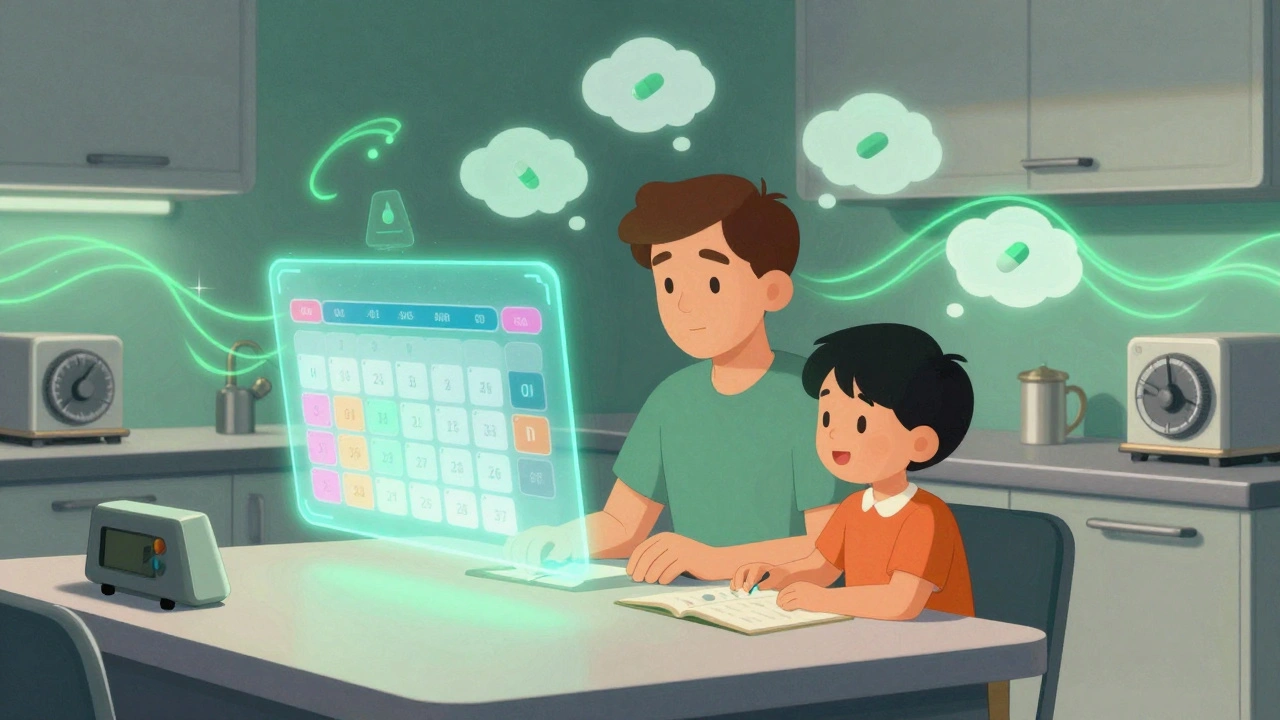
Adults benefit too. Organizational tools like planners, phone alarms, and color-coded calendars aren’t just nice-to-have-they’re essential. People with ADHD often have trouble with “time blindness,” meaning they lose track of time easily. Setting multiple reminders for tasks-even simple ones like taking medication or sending an email-can make a huge difference.
Breaking big tasks into tiny steps works. Instead of “clean the house,” try “pick up clothes from the floor.” Instead of “finish the report,” try “open the document and write one paragraph.” ADHD brains respond better to immediate, visible progress than abstract deadlines.
Exercise is another underrated tool. Just 20 to 30 minutes of moderate activity-walking, biking, dancing-boosts dopamine and norepinephrine naturally. Many adults with ADHD report better focus after a workout, even without medication.
What Works Best? Combining Everything
The best outcomes come from using meds and behavioral strategies together. The landmark MTA study from 1999 followed over 500 children with ADHD for years. Those who got both medication and behavioral therapy showed the most improvement-not just in symptoms, but in academic performance, social skills, and family relationships. Even after 16 years, those who stayed on a combination approach had better long-term outcomes than those on meds alone.
Here’s why: Medication gives you the mental clarity to learn new habits. Behavioral strategies give you the structure to keep them. One without the other is like having a car without a driver-or a driver without a car.
For example, a child on Vyvanse might finally sit still long enough to learn how to use a homework planner. A parent who’s learned to give clear, one-step instructions can help their child stick to the routine. An adult on atomoxetine might use a digital timer to break work into 25-minute chunks-something they couldn’t manage before because their brain kept jumping to the next thing.
Monitoring and Adjusting Over Time
ADHD treatment isn’t a set-it-and-forget-it deal. Needs change. Side effects pop up. Life gets busier. Regular check-ins are key.
For kids: Height and weight should be tracked every six months. Blood pressure checks every three months are standard. If a child’s growth slows significantly, doctors may pause medication for a few weeks to see if they catch up.
For adults: Mood changes, increased anxiety, or sleep problems can signal a need to adjust the dose or switch meds. Some people find they need less medication as they get older and build stronger coping skills. Others need more as responsibilities increase.
Rebound effects-irritability, frustration, or emotional outbursts as medication wears off-are common in kids. Giving a small, short-acting dose in the late afternoon can help smooth the transition. For adults, switching to an extended-release version often solves this.
What’s New in ADHD Treatment?
The field is moving fast. In 2023, the FDA approved AZSTARYS, a new combination drug that releases two forms of methylphenidate over 13 hours. It’s designed to be harder to abuse-important since stimulants can be misused.
Genetic testing is also becoming more common. Tests like Genomind’s PGx Express can tell you if your body metabolizes certain stimulants slowly or quickly. If you’re a slow metabolizer, you might need a lower dose. If you’re a fast one, you might not respond at all. This kind of testing isn’t perfect yet-but it’s helping some people avoid months of trial and error.
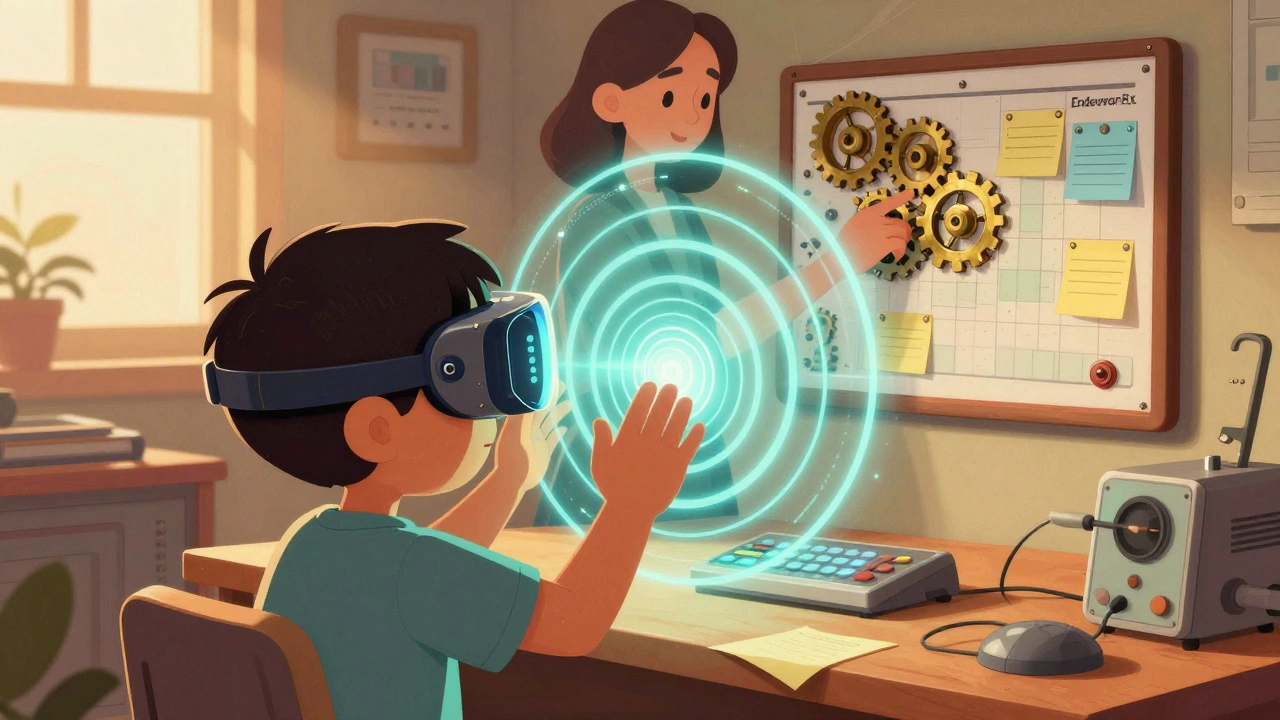
Digital tools are catching up too. EndeavorRx, an FDA-cleared video game for kids aged 8 to 12, trains attention skills through gameplay. It’s not a replacement for meds, but it’s a proven add-on. VR-based training programs are now in late-stage trials and could be available soon.
The American Academy of Pediatrics updated its guidelines in January 2024 to recommend screening for eating disorders before starting stimulants. Why? New data shows a 12% higher risk in people already prone to disordered eating. Appetite suppression can tip the balance.
Final Thoughts: There’s No One-Size-Fits-All
ADHD isn’t a flaw. It’s a different way of thinking. The goal isn’t to make you normal-it’s to help you thrive. Some people do great on low-dose stimulants. Others need non-stimulants plus coaching. Some manage with behavioral tools alone.
The key is to stay open, stay informed, and don’t give up if the first thing you try doesn’t work. It took me three tries to find the right med. My kid needed a different school routine before his behavior improved. Your path might be different. But you’re not alone-and you don’t have to figure it out by yourself.
Are stimulants addictive?
When taken as prescribed for ADHD, stimulants are not addictive. The risk of abuse is low in people who take them under medical supervision. However, people without ADHD who take stimulants to stay awake or get high are at risk. That’s why doctors screen for substance use history and monitor for misuse. Extended-release formulations are less likely to be abused because they don’t produce a quick high.
Can you outgrow ADHD?
ADHD is a lifelong condition, but how it shows up changes with age. Many children outgrow the hyperactivity, but inattention and disorganization often persist into adulthood. About 30% of kids stop medication by their teens, either because symptoms feel manageable or because side effects are too tough. But research shows those who continue treatment into adulthood have better job performance, relationships, and mental health outcomes.
Do non-stimulants help with emotional regulation?
Yes, especially guanfacine and clonidine. These drugs calm the nervous system and reduce emotional outbursts, frustration, and impulsivity. They’re often used when ADHD comes with strong mood swings or oppositional behavior. Parents report fewer meltdowns and better sleep. Adults find they’re less reactive in stressful situations.
How long does it take for behavioral strategies to work?
Behavioral changes take time-usually 6 to 12 weeks of consistent practice. Unlike medication, which can help in hours, these strategies require repetition and reinforcement. For kids, daily routines, visual schedules, and reward systems need to be used every day. For adults, it’s about building habits like setting alarms, using lists, and breaking tasks down. Progress is slow but steady-and the results last longer than any pill.
Is it safe to take ADHD meds long-term?
Long-term studies, including the 20-year follow-up of the MTA trial, show no evidence that ADHD medications cause lasting harm when used properly. Some kids experience temporary growth delays, but most catch up. Heart risks are rare and monitored closely. The bigger risk is not treating ADHD-studies link untreated ADHD to higher rates of accidents, job loss, substance abuse, and depression. For most people, the benefits outweigh the risks.
Next Steps: What to Do Now
If you’re just starting out, talk to your doctor about your biggest challenges. Is it focus? Impulse control? Sleep? Emotional outbursts? That will help guide whether stimulants, non-stimulants, or behavioral tools should come first.
If you’re already on medication and it’s not working, don’t quit. Ask for a dose adjustment, a switch to another drug, or a trial of behavioral coaching. Many people give up too soon because they expect instant results.
If you’re a parent, start with one behavioral change: a consistent morning routine, or a visual chart for homework. Small wins build momentum.
ADHD isn’t something you fix. It’s something you manage-with the right tools, support, and patience. You’ve already taken the first step by looking for answers. Now keep going.
Gillian Watson
December 4, 2025 AT 05:16Just wish doctors would stop acting like ADHD is a phase.
Jordan Wall
December 6, 2025 AT 03:10Gareth Storer
December 7, 2025 AT 21:00Pavan Kankala
December 8, 2025 AT 22:08They’ll be fine. Or they’ll learn. Either way, it’s not a pill problem.
Jessica Baydowicz
December 9, 2025 AT 08:14Shofner Lehto
December 10, 2025 AT 23:14Yasmine Hajar
December 11, 2025 AT 11:31Karl Barrett
December 13, 2025 AT 05:12Jake Deeds
December 13, 2025 AT 08:38val kendra
December 13, 2025 AT 12:50Isabelle Bujold
December 14, 2025 AT 00:34Rachel Bonaparte
December 14, 2025 AT 11:19