Acetaminophen vs NSAIDs in Pregnancy: Trimester Safety Guide
 May, 18 2026
Dealing with a headache, backache, or fever while pregnant can feel like walking a tightrope. You want relief, but you’re terrified of hurting your baby. This fear is completely normal, especially with conflicting information flooding social media and news headlines. The core question most expectant parents ask is simple: Is it safe to take painkillers?
The answer isn’t a simple yes or no for every drug. It depends entirely on which medication you choose and how far along you are in your pregnancy. Acetaminophen (often known by the brand name Tylenol) and Nonsteroidal Anti-Inflammatory Drugs (NSAIDs) like ibuprofen (Advil, Motrin) and naproxen (Aleve) work differently in your body. Consequently, they carry different risks for your developing fetus. Understanding these differences is crucial for managing discomfort without compromising safety.
Why Pain Management Matters During Pregnancy
Many pregnant individuals try to avoid all medication out of caution. However, ignoring severe pain or high fever can be just as dangerous as taking the wrong drug. Untreated maternal fever, particularly above 100.4°F (38°C), poses documented risks. A 2019 study published in Epidemiology found that high fever increases the risk of miscarriage by 1.5 times. In the first trimester, a fever exceeding 102°F has been linked to a higher risk of neural tube defects.
Furthermore, chronic pain leads to stress, poor sleep, and reduced mobility, which can impact both your well-being and your baby’s development. The goal isn’t to suffer silently; it’s to manage symptoms effectively using the safest available tools. The American College of Obstetricians and Gynecologists (ACOG) emphasizes that treating maternal conditions is often more critical than avoiding theoretical risks from standard medications.
Acetaminophen: The Current Gold Standard
Acetaminophen is a nonsalicylate analgesic and antipyretic widely considered the safest over-the-counter pain reliever during pregnancy. Approved by the FDA in 1955, it has a long history of use. Unlike NSAIDs, acetaminophen does not inhibit platelet function or cause significant inflammation reduction, but it effectively lowers fever and relieves mild to moderate pain.
Current guidelines from major health organizations, including ACOG and the Society for Maternal-Fetal Medicine (SMFM), support its use throughout all three trimesters when taken at recommended doses. The standard therapeutic dose ranges from 325 mg to 1,000 mg per instance, with a strict maximum daily limit of 4,000 mg. Most experts recommend sticking to the lowest effective dose-often 500 mg-for the shortest duration necessary.
| Parameter | Recommendation |
|---|---|
| Single Dose Range | 325 mg - 1,000 mg |
| Maximum Daily Limit | 4,000 mg (Do not exceed) |
| Preferred Approach | Lowest effective dose (e.g., 500 mg) |
| Duration | Short-term use; consult doctor if needed >3-5 days |
A common source of anxiety involves recent studies suggesting links between acetaminophen use and neurodevelopmental issues like autism or ADHD. However, a massive 2023 study in JAMA Network Open, analyzing nearly 100,000 mother-child pairs, found no significant association. The adjusted odds ratio for autism was 1.03 (95% CI 0.95-1.12), indicating no statistically meaningful increase in risk. Dr. Steven J. Fleischman, President of ACOG, stated in September 2025 that no reputable study has conclusively proven acetaminophen causes neurodevelopmental disorders. The benefits of reducing fever and pain currently outweigh unproven theoretical risks.
NSAIDs: Strict Trimester Restrictions
NSAIDs are nonsteroidal anti-inflammatory drugs such as ibuprofen, naproxen, and diclofenac that reduce inflammation and pain. While highly effective for general populations, their use in pregnancy is heavily restricted due to effects on fetal kidney function and blood vessels.
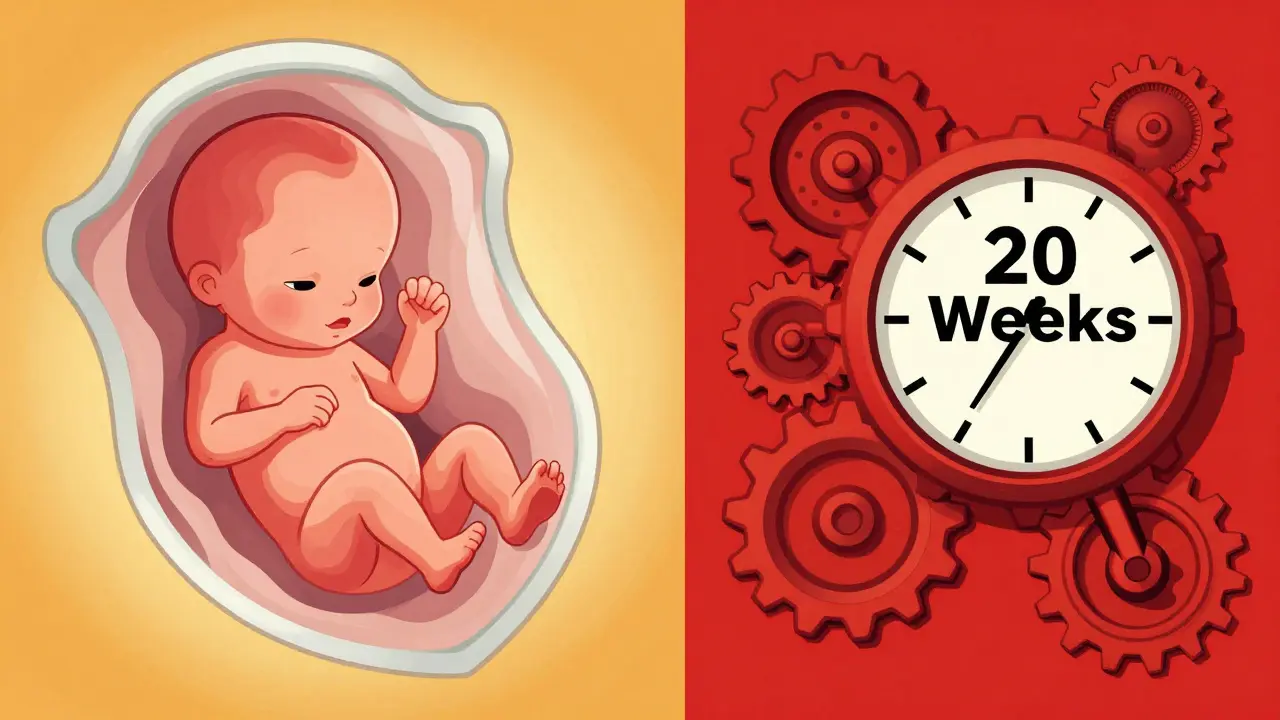
The FDA issued a critical update on October 15, 2020, changing the landscape of NSAID use. Previously, caution was advised after 30 weeks. Now, the FDA mandates that NSAIDs be avoided at 20 weeks gestation or later. This change was driven by evidence that NSAIDs can cause fetal renal dysfunction, leading to oligohydramnios (low amniotic fluid).
Risks by Trimester
- First Trimester (Weeks 1-12): Some studies suggest a slight increase in miscarriage risk or certain birth defects with early NSAID use, though data is mixed. Many providers advise avoiding them unless specifically prescribed.
- Second Trimester (Weeks 13-27): Use should be limited and only under direct physician supervision. If used between 20-30 weeks, it must be at the lowest effective dose (e.g., ibuprofen 200-400 mg) and for the shortest time possible (no more than 48 hours). Ultrasound monitoring is required to check amniotic fluid levels.
- Third Trimester (Weeks 28+): NSAIDs are contraindicated. They can cause premature closure of the ductus arteriosus, a vital blood vessel in the fetal heart. This occurs in 0.5-1% of exposed fetuses and can lead to serious heart complications.
It is vital to check combination medications. About 30% of cold and flu remedies contain NSAIDs. Always read the "Drug Facts" label carefully. If you need a multi-symptom cold medicine, look for formulas containing only acetaminophen, decongestants, and antihistamines, avoiding any ingredient ending in "-profen" or "-xen."
Navigating Conflicting Information and Patient Concerns
Patient confusion is widespread. A 2023 survey by the American Academy of Family Physicians found that 68% of pregnant patients avoided all pain medication due to safety fears, with 42% specifically avoiding acetaminophen based on social media misinformation. This avoidance can lead to untreated suffering and potential complications.
The confusion often stems from misunderstanding correlation versus causation. Observational studies might show that mothers who took acetaminophen had children with developmental delays, but this doesn't mean the drug caused the delay. Often, the underlying condition being treated (such as chronic inflammation or infection) could be the contributing factor. Major medical bodies like the American Academy of Pediatrics (AAP) and SMFM have jointly affirmed acetaminophen's safety in their 2023 clinical guidelines.
Conversely, a February 2021 consensus statement in Nature Reviews Endocrinology suggested foregoing acetaminophen unless medically indicated due to theoretical endocrine disruption concerns. While this sparked debate, the practical reality remains: untreated fever and pain pose immediate, documented dangers. As Dr. Salena Zanotti of Cleveland Clinic noted, acetaminophen remains the safest known option when symptoms interfere with daily life.

Practical Steps for Safe Medication Use
To ensure safety, follow these practical steps:
- Consult Your Provider: Before starting any new medication, discuss it with your OB-GYN or midwife. They know your specific health history.
- Choose Acetaminophen First: For headaches, muscle aches, or fever, start with acetaminophen. It is the only OTC analgesic recommended for all trimesters.
- Check Labels Rigorously: Look for hidden NSAIDs in combination drugs. Avoid ibuprofen, naproxen, aspirin (unless low-dose 81mg is prescribed for preeclampsia prevention), and diclofenac.
- Dose Correctly: Do not exceed 3,000-4,000 mg of acetaminophen per day. Taking more can cause liver damage to you.
- Monitor Duration: If pain persists for more than 3-5 days, see your doctor. Chronic pain requires investigation, not just masking.
- Track Gestational Age: Remember the 20-week cutoff for NSAIDs. If you are unsure how many weeks pregnant you are, assume you are past 20 weeks and avoid NSAIDs.
Looking Ahead: Research and Future Guidelines
Medical guidance evolves as new data emerges. The NIH-funded Acetaminophen Birth Cohort Study, enrolling 10,000 participants through 2027, aims to provide definitive long-term data on neurodevelopmental outcomes. Additionally, pharmacogenomic research is exploring how genetic variants (like CYP2E1) affect how individuals metabolize acetaminophen, which may lead to personalized dosing recommendations in the future.
For now, the consensus remains clear. Acetaminophen is the preferred choice for pain and fever management throughout pregnancy. NSAIDs are restricted after 20 weeks due to fetal kidney and heart risks. By staying informed and communicating openly with your healthcare provider, you can manage discomfort safely and confidently.
Can I take ibuprofen in my first trimester?
While the FDA restriction specifically targets 20 weeks and later, many doctors advise against NSAIDs like ibuprofen in the first trimester due to potential increased risks of miscarriage or certain birth defects. Acetaminophen is generally preferred for pain relief in the first trimester. Always consult your provider before taking any medication.
Does acetaminophen cause autism in babies?
No credible scientific evidence supports this claim. A large 2023 study in JAMA Network Open found no significant link between acetaminophen use and autism spectrum disorder. Major medical organizations, including ACOG and the AAP, affirm its safety. Theoretical concerns exist, but the benefits of treating fever and pain outweigh these unproven risks.
What happens if I take NSAIDs after 20 weeks?
Taking NSAIDs after 20 weeks can cause fetal renal dysfunction, leading to low amniotic fluid (oligohydramnios). This can happen within 48-72 hours of exposure. After 30 weeks, there is an additional risk of premature closure of the fetal ductus arteriosus, a heart vessel. If you accidentally take an NSAID, contact your doctor immediately for monitoring.
How much acetaminophen is safe per day?
The maximum safe daily dose is 4,000 mg. However, many experts recommend staying closer to 3,000 mg or using the lowest effective dose (e.g., 500-1,000 mg per dose) to minimize any potential liver strain. Never exceed the recommended dosage on the label.
Are there natural alternatives to painkillers during pregnancy?
Yes, non-pharmacological methods can help. These include prenatal yoga, warm baths (not hot tubs), massage, heating pads (on low setting and away from the abdomen), acupuncture from a certified practitioner, and adequate rest. However, for high fevers or severe pain, medication is often necessary to protect both mother and baby.